No te vayas sin conocer la historia Suscribete
IAudioGuia iaudioguia
Audio Guides of Surama

Audio Guide of Jungle Trails

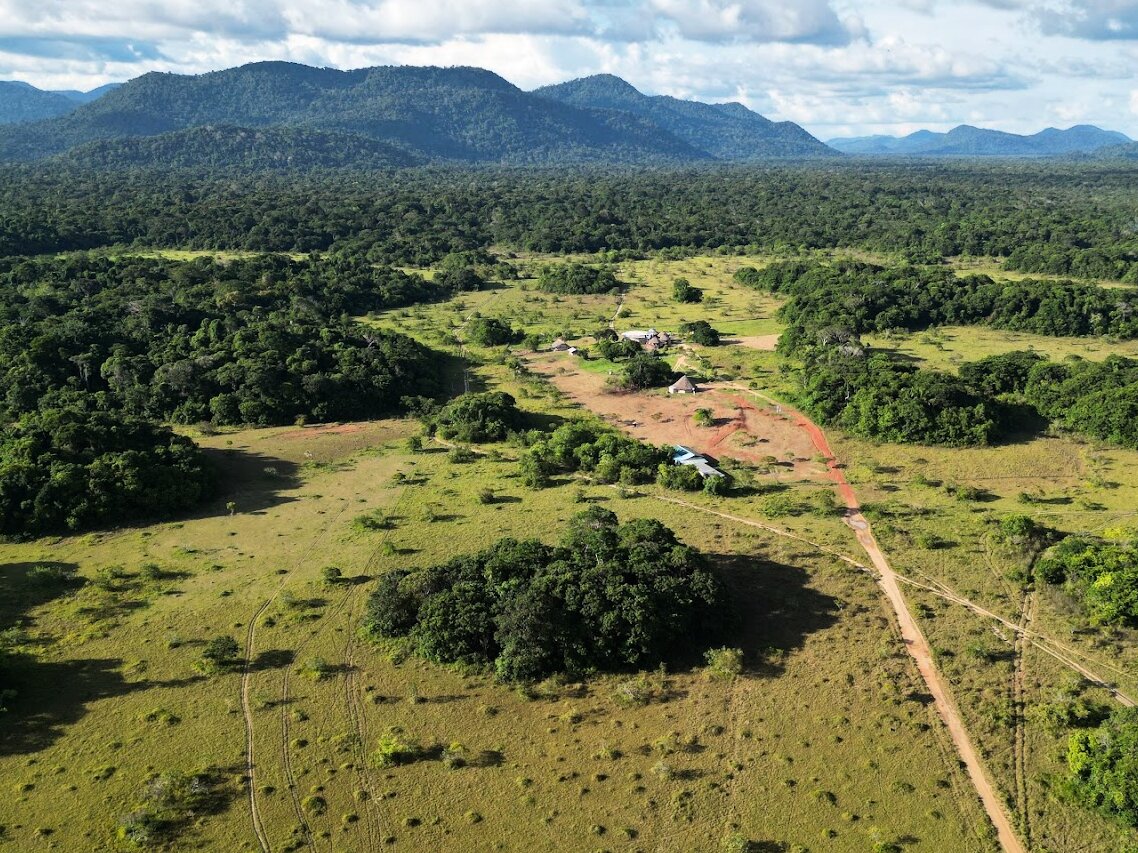
An immersive journey through the vibrant biodiversity and rich cultural heritage of the Guyanese rainforest in Surama.

✓ What guidebooks don't tell you
✓ Secrets other tourists miss
✓ Listen while you explore
Discover everything
00:00
00:00
Rate this audio guide

📖 Audio Guide Chapters

6 chapters

1. Introduction and History

🔒 Premium Content

Subscribe to access all chapters of this audio guide.

2. Ecosystems and Wildlife

🔒 Premium Content

Subscribe to access all chapters of this audio guide.

3. Emblematic Flora and Fauna

🔒 Premium Content

Subscribe to access all chapters of this audio guide.

4. The Makushi Community: Guardians of the Rainforest

🔒 Premium Content

Subscribe to access all chapters of this audio guide.

5. Curiosities and Legends

🔒 Premium Content

Subscribe to access all chapters of this audio guide.

6. Impact and Conservation Legacy

🔒 Premium Content

Subscribe to access all chapters of this audio guide.

❓ Frequently Asked Questions

What are the opening hours of Jungle Trails in Surama, and how can I access them?

The trails are open all day, but guided tours starting early in the morning or at sunset are recommended to avoid the heat. To get there, travel to Surama by four-wheel-drive vehicle from Lethem (around 3–4 hours) or take a charter flight; contact Surama Eco-Lodge at +592 227 2149 for reservations and transportation.

How much does admission to Jungle Trails cost, and are there any additional fees?

Access to the trails is free for visitors, but guided tours cost approximately GY$5,000–10,000 per person (around USD 25–50), depending on the duration. Tours include local guides from the Makushi community; check updated prices on Guyana’s official tourism website or contact the lodge directly.

How much time is needed to visit Jungle Trails?

It is recommended to allow at least 2–3 hours for a basic guided tour covering the main trails and wildlife observation. If you are a nature enthusiast, you could extend it to a full day with longer hikes, but plan breaks for the humid weather.

What is the history or cultural significance of Jungle Trails in Surama?

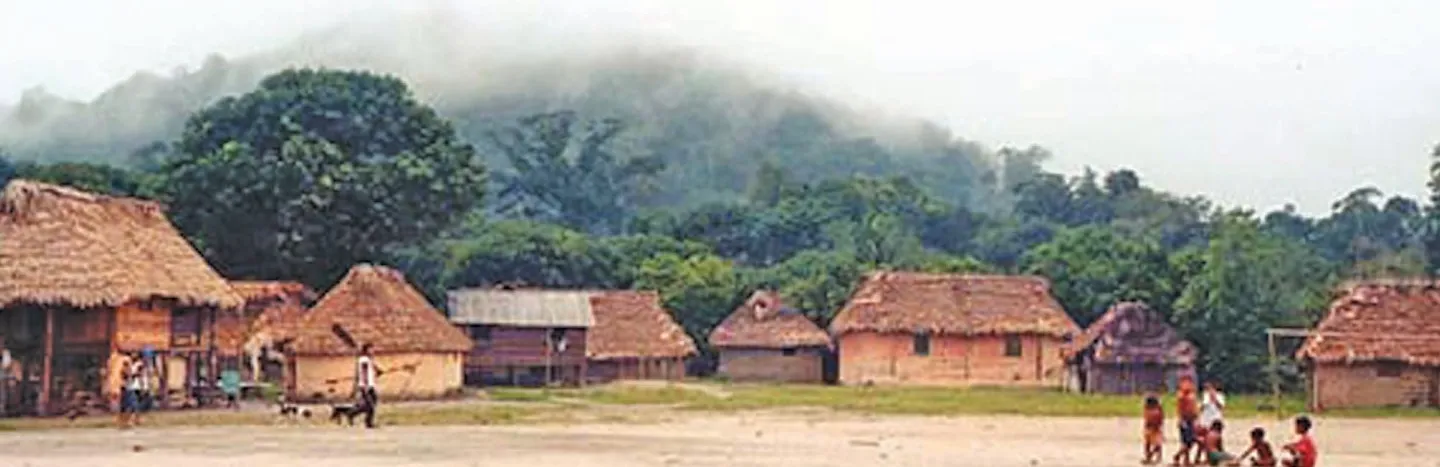
These trails are part of the Surama ecological reserve, a Makushi Indigenous community that has protected the rainforest since 1989 to preserve its cultural heritage and biodiversity. They represent a community-driven effort in sustainable ecotourism, allowing visitors to learn about ancestral traditions and the unique flora and fauna of the Guyanese forest.

What is the best time of year or time of day to visit Jungle Trails?

The dry season from December to May is ideal, with less rain and better walking conditions. Choose morning visits for spotting active birds and monkeys, or afternoons for nighttime sounds; avoid the rainy season (June–November) because of slippery paths.

Are Jungle Trails accessible for people with reduced mobility?

Unfortunately, the trails are uneven rainforest paths with roots, mud, and slopes, so they are not accessible for wheelchairs or visitors with reduced mobility. Short tours in flatter areas may be possible, or you can ask the lodge about personalized adaptations, with safety as the priority.

What other attractions are near Jungle Trails in Surama?

Nearby, explore the Rupununi Savannah for wildlife safaris or the Iwokrama Forest Reserve for canopy walks and jaguar spotting. You can also visit Surama Eco-Lodge for Indigenous cultural experiences; all are within less than an hour by vehicle, ideal for a 2–3 day itinerary.

What practical tips can help me make the most of Jungle Trails?

Bring insect repellent, water-resistant shoes, light clothing, and binoculars for birdwatching; stay well hydrated since humidity is high. Join a local guide for cultural insight and safety, and book in advance, especially in high season, through the Guyana Tourism Authority.

¿Prefieres escuchar en español?

🇪🇸 Escucha la audioguía de Jungle Trails en español