Donde la selva guyanesa esconde jaguares negros y secretos indígenas que te harán mirar dos veces bajo cada hoja.
The Iwokrama Forest Reserve operates 24 hours a day, 7 days a week, but entry and activities are usually arranged through its visitor centers or lodges. The main access route is via the Lethem Road, which crosses the reserve. It is strongly recommended to coordinate with the Iwokrama International Centre for Rain Forest Conservation and Development (iwokrama.org) to organize your visit, as it is not a freely accessible park without a guide.
Admission to the Iwokrama Forest Reserve does not have a fixed fee like a conventional national park. Costs are usually tied to accommodation and activity packages offered by lodges and tour operators within the reserve, which may include guides, transportation, and meals. For detailed information about packages and prices, we suggest contacting the center directly at iwokrama.org/contact-us.
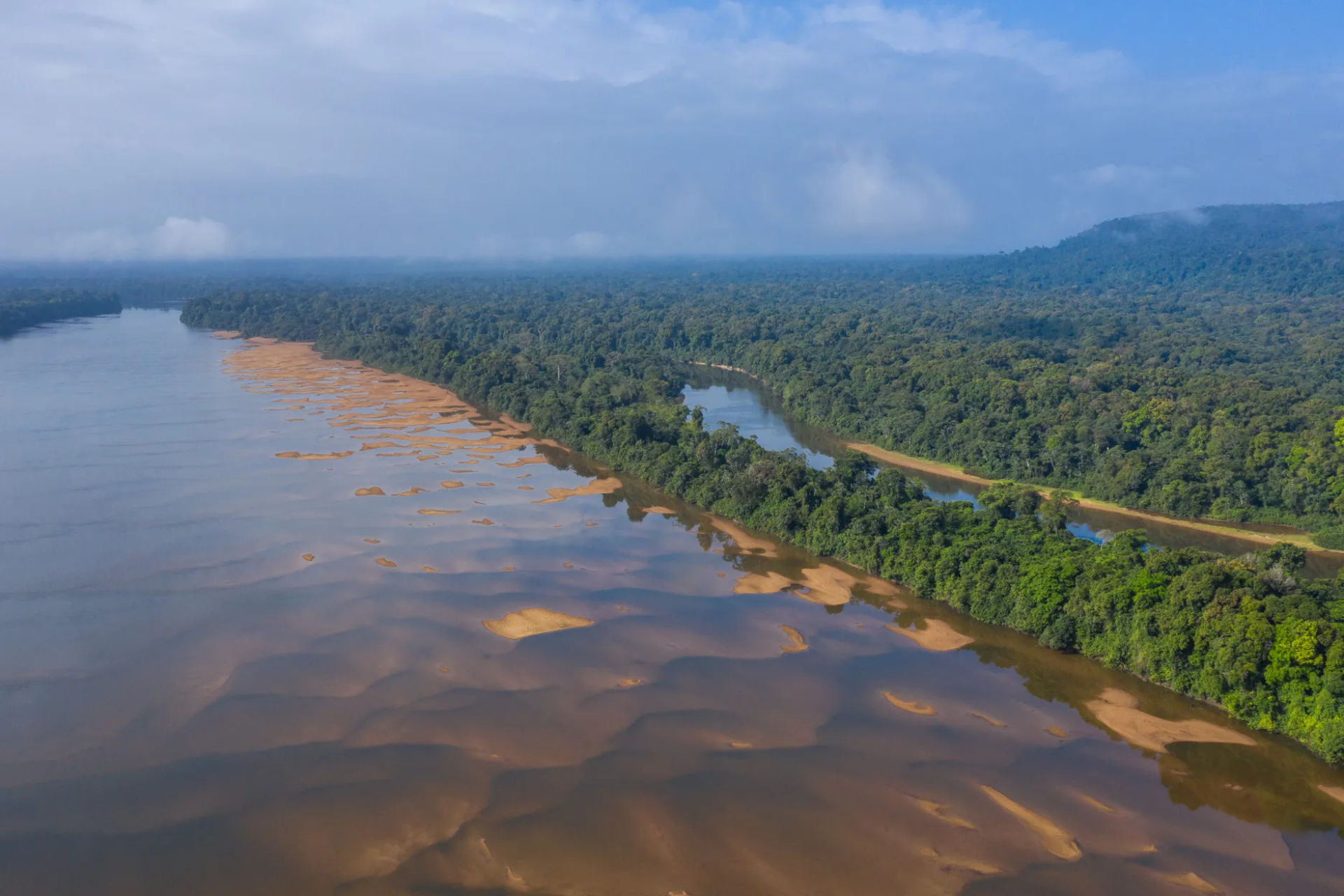
For a full and immersive experience in the Iwokrama Forest Reserve, a minimum stay of 3 to 4 days is recommended. This allows time to take part in a variety of activities such as hiking, birdwatching and wildlife observation, boat trips on the Rupununi River, and visits to the Iwokrama Canopy Walkway.
The Iwokrama Forest Reserve is a site of global importance for scientific research and conservation. It was established to demonstrate how tropical rainforest conservation and the sustainable use of its resources can be achieved in partnership with local communities, especially the Indigenous Macushi community, who are the custodians of the land. It represents a unique model of co-management.
The best time to visit Iwokrama is during the dry season, from August to November and from February to April. During these months, trails are more accessible and wildlife viewing, especially birds and mammals, tends to be easier because of lighter vegetation cover and the concentration of animals near water sources.
Due to the nature of the rainforest and the terrain, accessibility for people with reduced mobility in the Iwokrama Forest Reserve is limited. Most trails and activities require a certain level of physical ability. It is recommended to contact the Iwokrama administration or tour operators directly to discuss options and any special arrangements that may suit your needs.
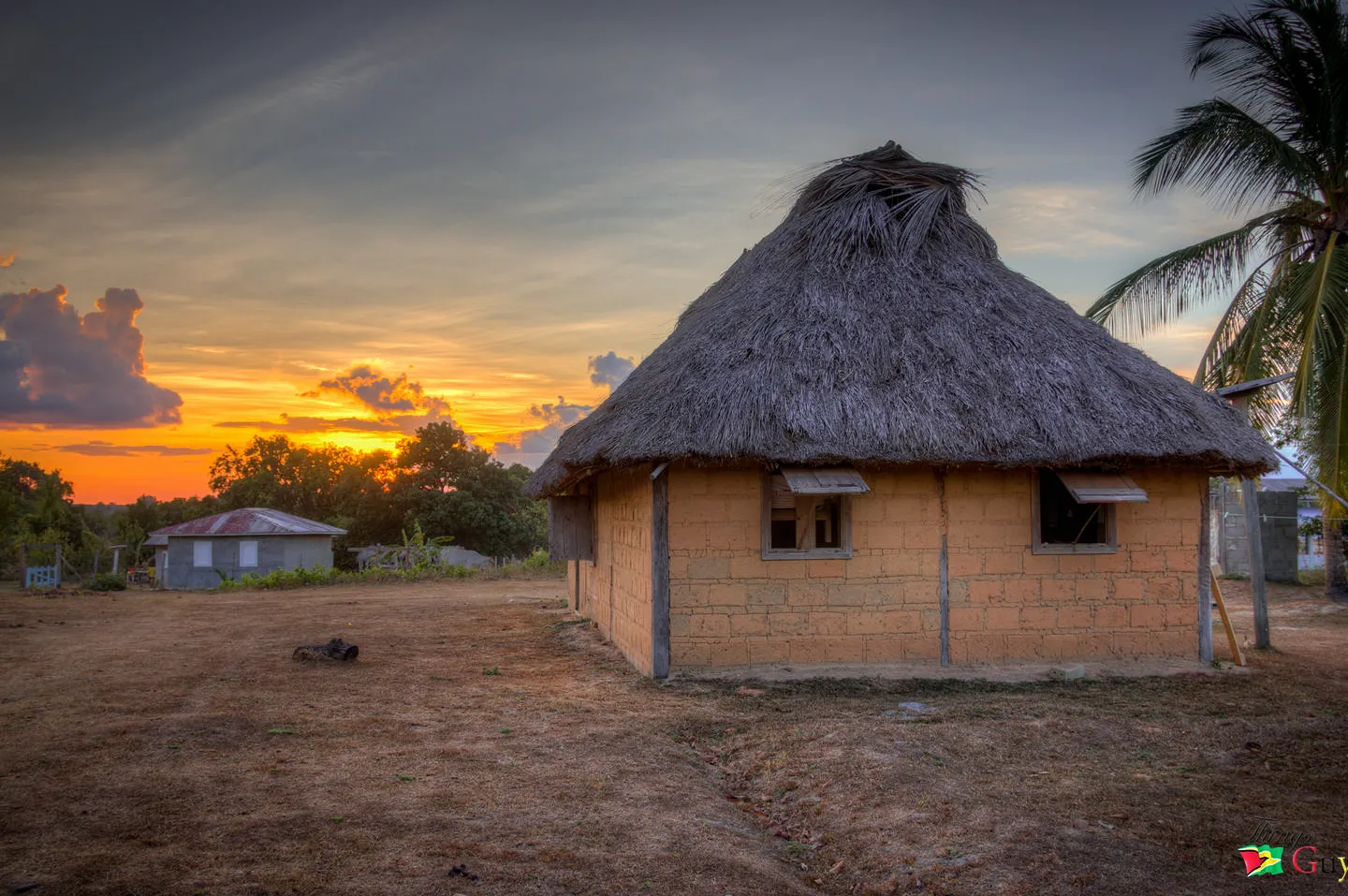
Near Iwokrama, you can explore the Indigenous community of Rewa, known for its ecotourism activities and fishing, or visit other areas of the Rupununi region that offer savanna landscapes and additional wildlife-watching opportunities. You may also consider an extension to Kaieteur Falls, although it requires a separate flight.
Absolutely! Pack light, quick-drying clothing, insect repellent (with DEET), sunscreen, a hat, comfortable hiking boots, and make sure to bring a camera with extra batteries. It is crucial to go with an experienced guide and to stay flexible, as wildlife is unpredictable. And get ready to disconnect and immerse yourself in nature!
¿Prefieres escuchar en español?
🇪🇸 Escucha la audioguía de Iwokrama Forest Reserve en español