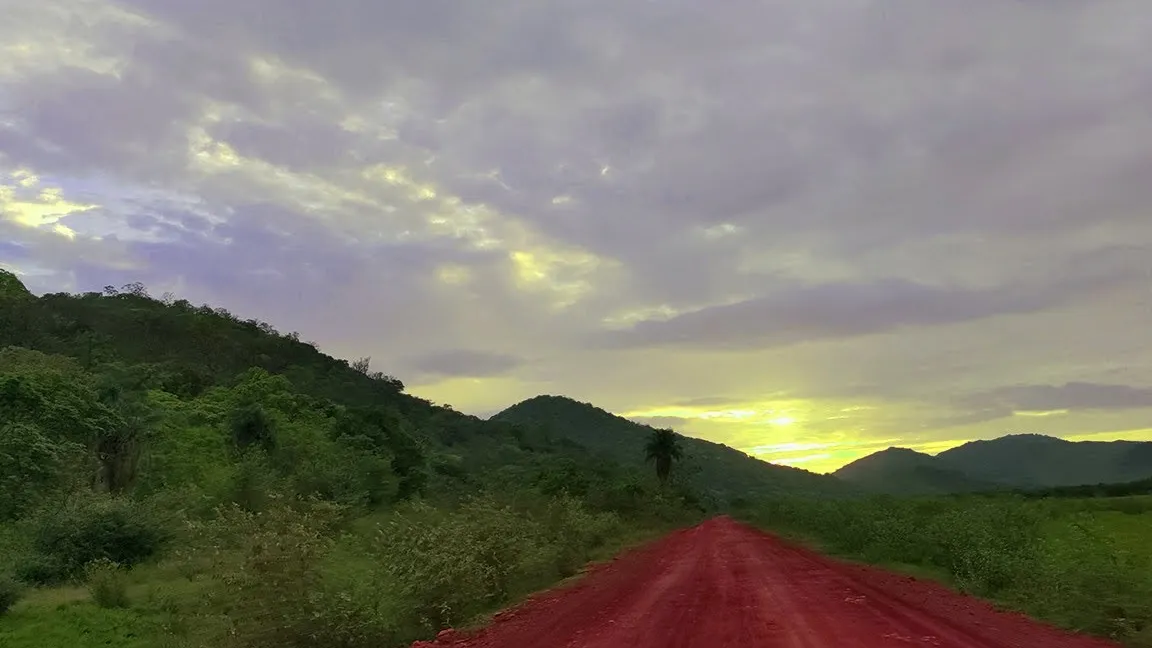
El Río Rupununi atraviesa las vastas sabanas de la región de Rupununi en Guyana, conectando paisajes de selva y pradera con una extraordinaria biodiversidad y rica herencia indígena.
As a natural environment, the river is effectively open 24 hours a day, but excursions depend on daylight. It is generally reached by flying from Georgetown to Lethem or Annai, and from there transfers are arranged with local tour operators.
There is no actual entrance ticket for the river itself, but visiting this area requires booking guides, boats, and accommodation in eco-lodges. Prices vary depending on the package, so we recommend checking official Guyana tourism websites and booking in advance.
To truly enjoy the biodiversity and river safaris, a minimum stay of 3 to 4 days is recommended. This allows enough time to look for giant otters, black caimans, and visit local communities without rushing.
It is ecologically vital because during the rainy season it connects the Amazon and Essequibo basins, creating a unique biodiversity corridor. It is also the ancestral homeland of the Makushi and Wapishana Indigenous peoples, guardians of its rich cultural history.
The best time is usually the dry season, from September to April, as it makes overland travel easier and wildlife is easier to spot around the remaining bodies of water. However, the wet season offers incredible landscapes of flooded savanna that can be explored by boat.
It is a rugged adventure destination, and access involves small boats and walks over uneven ground, which makes it very difficult for wheelchair users. It is recommended to contact the lodges directly to assess whether they can adapt the logistics to specific needs.
If you are in the area, it is worth exploring the Kanuku Mountains or visiting the Iwokrama International Centre for Rain Forest Conservation. You can also visit the border town of Lethem, which connects with Brazil.
Bring lightweight quick-dry clothing, plenty of insect repellent, and strong sun protection. It is essential to carry cash, either Guyanese or U.S. dollars, since there are no ATMs in the jungle, and consider malaria prophylaxis after consulting your doctor.
¿Prefieres escuchar en español?
🇪🇸 Escucha la audioguía de the Rupununi River en español