¿Sabías que estas islas del Essequibo son el hogar de jaguares que han visto pasar colonos holandeses, indígenas guerreros y hasta disputas internacionales que casi encienden una guerra?
The Jaguar Islands do not have formal visiting hours, but it is recommended to arrive at low tide to better observe the rock formations. They can be reached by local boats from Bartica or Georgetown, with tours generally departing at dawn for the best visibility and scenery.
There is no specific entrance fee for the islands, but you do need to hire a local boat or tour, which usually costs between $80 and $150 per group, depending on the length of the trip and the departure point.
A typical visit lasts between 2 and 4 hours, including the boat transfer. Many tourists combine the excursion with a stop along the river or a short walk in the area to observe local wildlife such as jaguars, caimans, and exotic birds.
The Jaguar Islands take their name from the traditional presence of jaguars in the area, animals considered sacred by the Indigenous communities of Guyana. In addition, the area is part of a unique ecosystem in the Essequibo River, one of the oldest and most biodiverse in South America.
The best time is during the dry season, from January to April, when the river level drops and the islands and their surroundings are easier to see. There are also fewer mosquitoes, and boating conditions are safer and more pleasant.
Access can be challenging for people with reduced mobility, as it requires getting on and off small boats and walking over uneven ground. It is recommended to consult local tour agencies to assess adapted options or more accessible alternatives in the area.
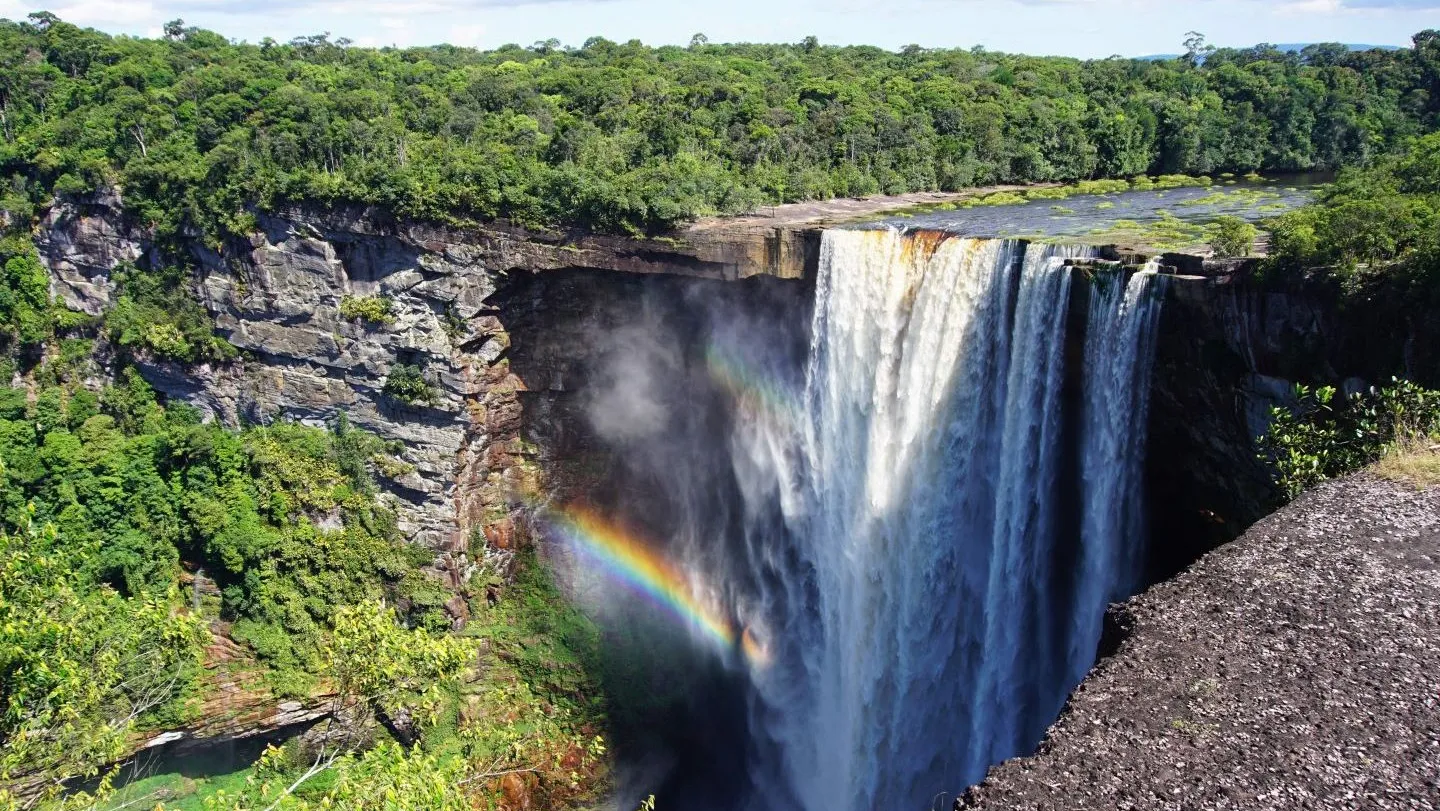
Near the islands, you can visit Bartica, known as the 'city of three churches,' or take excursions to Kaieteur National Park, famous for its spectacular waterfall. There are also tours along the Essequibo River to observe wildlife and riverside communities.
Bring insect repellent, sunscreen, and light but long clothing to protect yourself from the sun and mosquitoes. It is also a good idea to bring binoculars to observe birds and animals from the boat, and a waterproof camera to capture the unique landscapes of this natural corner of Guyana.
¿Prefieres escuchar en español?
🇪🇸 Escucha la audioguía de the Jaguar Islands en español