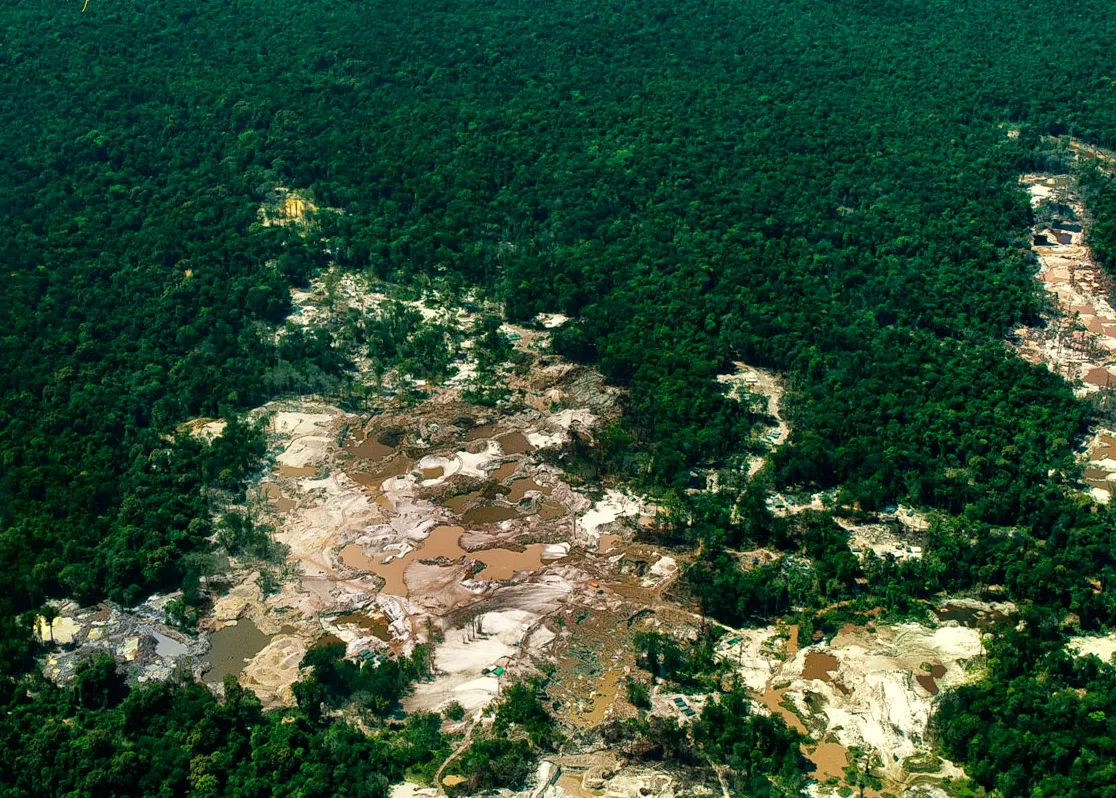
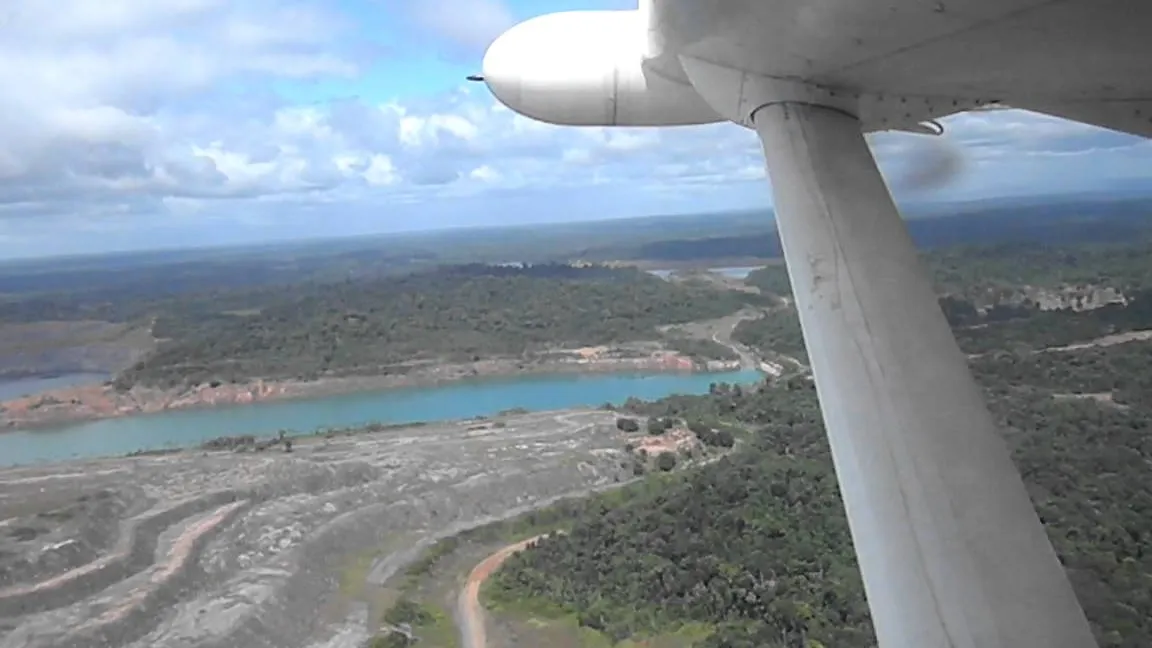
A journey into the heart of Guyana’s gold rush, exploring one of its largest mines and its impact on history and the natural environment.
The mine is a historic site with no official visiting hours. It is recommended to arrange your visit with local tour operators such as Wilderness Explorers or contact the Guyana Ministry of Tourism (+592 219 0094). Access is from Mahdia by road, preferably with a 4x4 vehicle.
There is no formal admission fee because it is an abandoned mine, but organized tours start at USD 50. Operators such as Rainforest Adventures include transport and a guide. Always check updated prices with local providers.
A basic visit takes 1 to 2 hours. If you include nearby areas or talks with former workers, allow half a day. Bring enough water and sunscreen, as sun exposure is intense.
It was the second-largest open-pit gold mine in South America (1993–2005), playing a key role in Guyana’s economy. Its closure in 2005 after a cyanide spill marked a milestone in the region’s environmental regulations.
Visit during the dry season (September to April). Early mornings are ideal (7–10 am) to avoid the intense heat. Avoid December and January if you prefer fewer crowds.
Not recommended. The terrain is uneven, with deep tracks and debris. There are no ramps or adapted restrooms. Sturdy closed shoes with good grip are required even for visitors without mobility limitations.
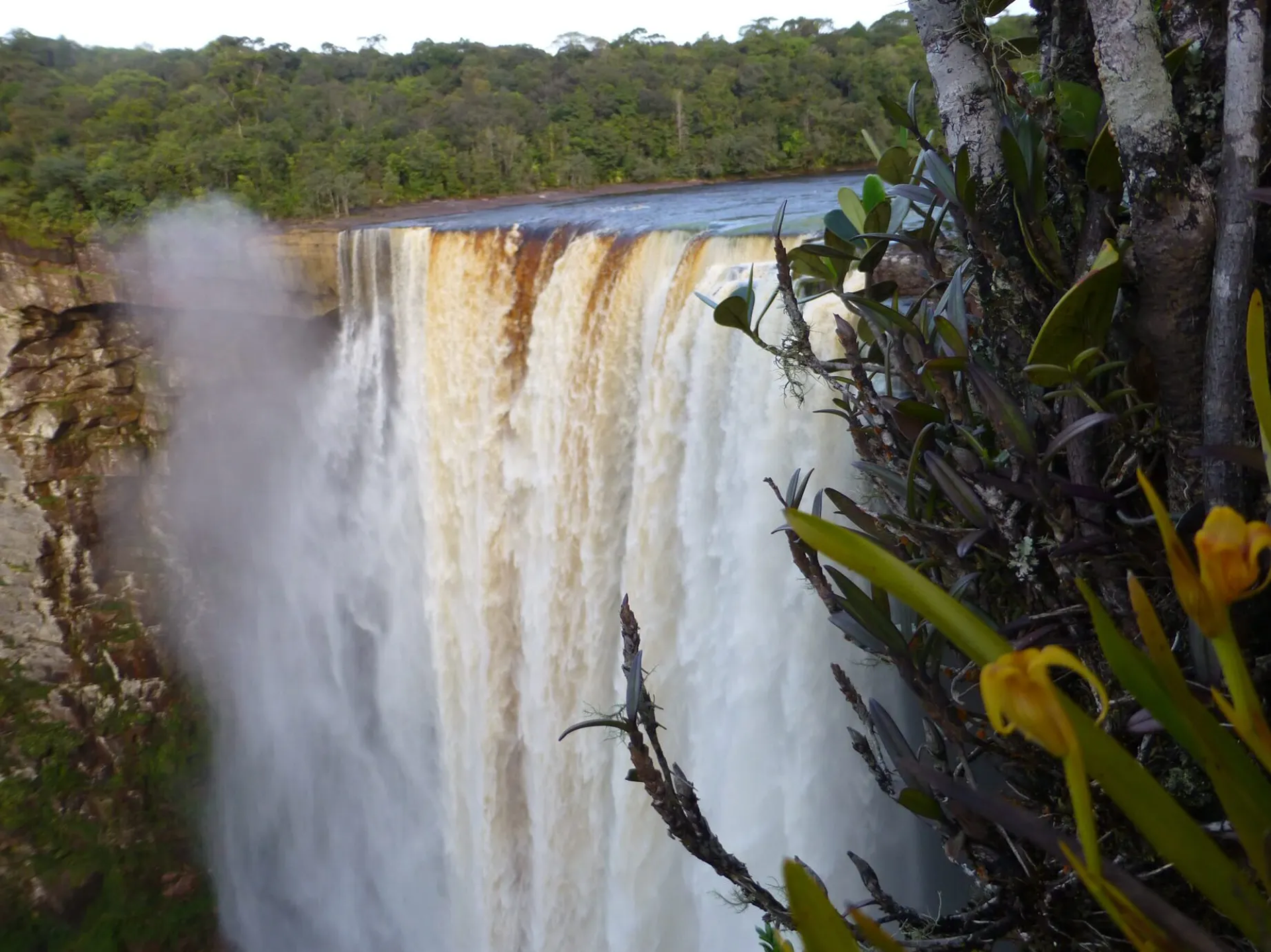
Mahdia, with its craft market, is about 1 hour away. Do not miss Kaieteur National Park (3 hours by small plane) and the Oshi Point waterfalls. More information at Guyana Tourism.
1) Hire a local guide to avoid risks around unstable structures 2) Bring cash, as there are no ATMs 3) Pack mosquito repellent 4) If you go on your own, notify the Mahdia police station. Check current alerts at Guyana Geology Commission.
¿Prefieres escuchar en español?
🇪🇸 Escucha la audioguía de the Omai Gold Mine en español