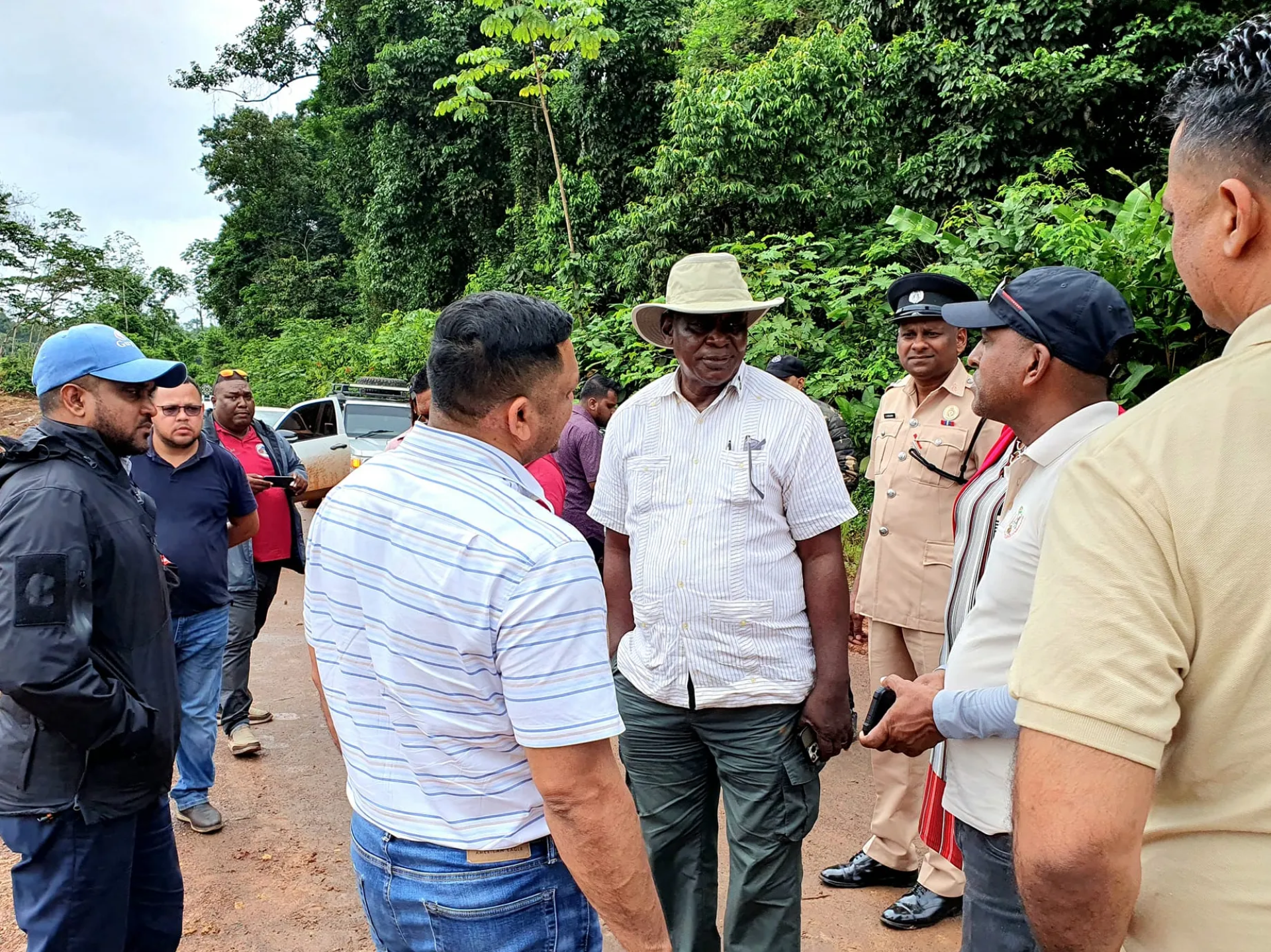
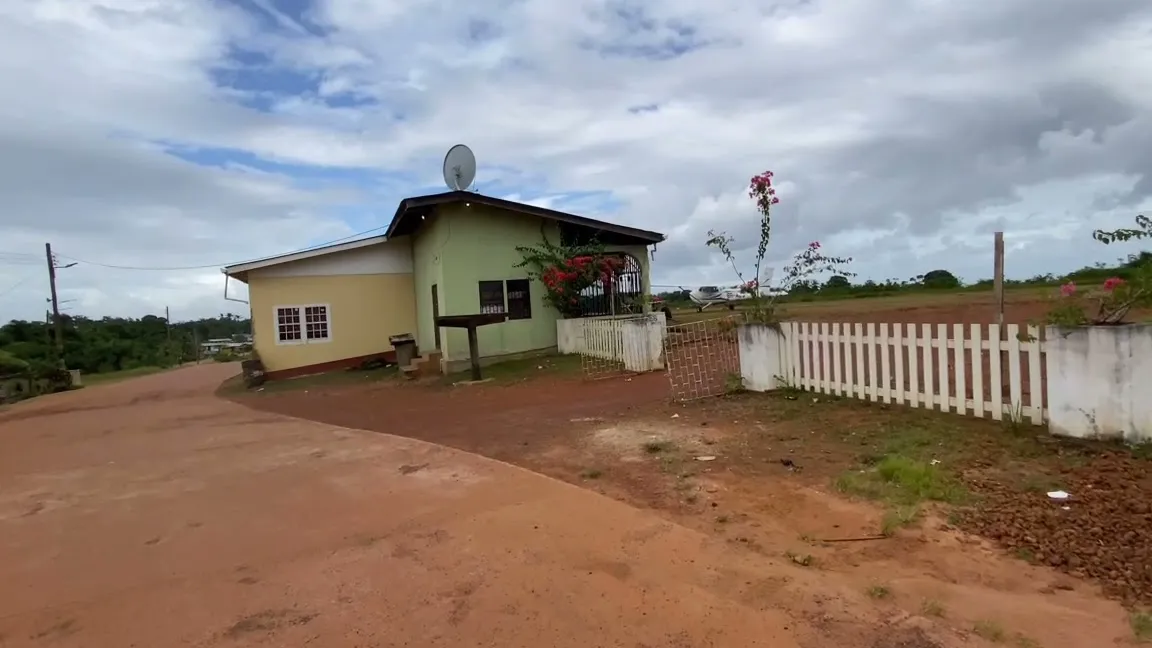
En la selva guyanesa donde 900 almas perdieron la vida cerca, la naturaleza guarda dramas ancestrales que te erizarán la piel.
The reserve is open year-round, but it is recommended to check the weather before planning your trip. The main access point is from Mabaruma, the regional capital, via charter flights from Georgetown or by boat along the Barima River; for more details, see the official Guyana tourism website at Guyana Tourism Authority. Hiring a local guide is recommended to navigate the remote areas safely.
Entry is free for most areas, although there may be small fees for visitor permits or mandatory guides, around USD 5–10 per person. For specific activities such as guided hiking, costs range from USD 20 to 50; check for updates on the Guyana Environmental Protection Agency portal at EPA Guyana.
A typical visit lasts 2 to 4 days to explore the trails and biodiversity at a relaxed pace. If you only take a short tour, 4–6 hours are enough, but plan more time if you want to camp or watch wildlife. This allows you to appreciate the rainforest without exhausting yourself.
This reserve in northwestern Guyana is vital for the conservation of the Amazon rainforest and is home to Indigenous communities such as the Warrau and Arawak, whose culture has been intertwined with the forest for centuries. It protects endemic species and plays a key role in preserving the regional ecological balance, highlighting its historical value as traditional Indigenous territory.
The dry season from December to May is ideal, with less rain and better hiking conditions. Avoid the period of heavy rains from June to November; visit early in the morning to spot birds and animals at their most active.
The rainforest terrain makes accessibility limited, with uneven trails unsuitable for wheelchairs; however, some initial areas near Mabaruma may be manageable with guides. We recommend contacting local tour operators for tailored options, such as off-road vehicle tours.
Nearby you will find the Barima River for canoe trips and Indigenous communities in Mabaruma, or you can continue to Morawhanna Island for border views. Do not miss Kaieteur National Park a few hours away by flight, famous for its impressive waterfall; more info at Guyana Tourism.
Bring insect repellent, lightweight long-sleeved clothing, and waterproof boots, as the climate is humid. Hire a certified guide for safety and cultural respect, and practice responsible tourism by leaving no trace. Book in advance through the tourism authority to avoid unexpected issues.
¿Prefieres escuchar en español?
🇪🇸 Escucha la audioguía de Barima-Waini Forest Reserve en español