Imagina caminar sobre un mar de conchas vivientes mientras tortugas gigantes emergen de la noche: los secretos de esta playa te dejarán sin aliento.
Shell Beach Protected Area does not have fixed opening hours like a museum, as it is a protected natural area. Access is usually arranged with local guides and requires prior permission because of its remote and sensitive location. The most common way to get there is by boat from Kumaka or by light aircraft to one of the nearby airstrips, followed by a boat trip. We recommend contacting tour operators with experience in the area to arrange your trip and permits. You can check Guyana Tourism Authority for operators.
There is no formal entrance fee, but the cost of visiting Shell Beach is mainly related to transportation (boats, charter flights), accommodation in rustic camps or nearby eco-lodges, and the services of local guides, which are essential for a safe and environmentally respectful experience. These tour packages vary in price depending on the duration and the services included. Contact tour operators specializing in ecotourism in Guyana for detailed quotes.
For a complete experience at Shell Beach and the opportunity to observe wildlife, especially sea turtles, at least 3 to 5 days are recommended. This gives you time to get there, explore different areas of the beach, take part in turtle-watching activities, and learn about the ecosystem without rushing. The exact length of your stay will depend on your interests and the type of tour you book.
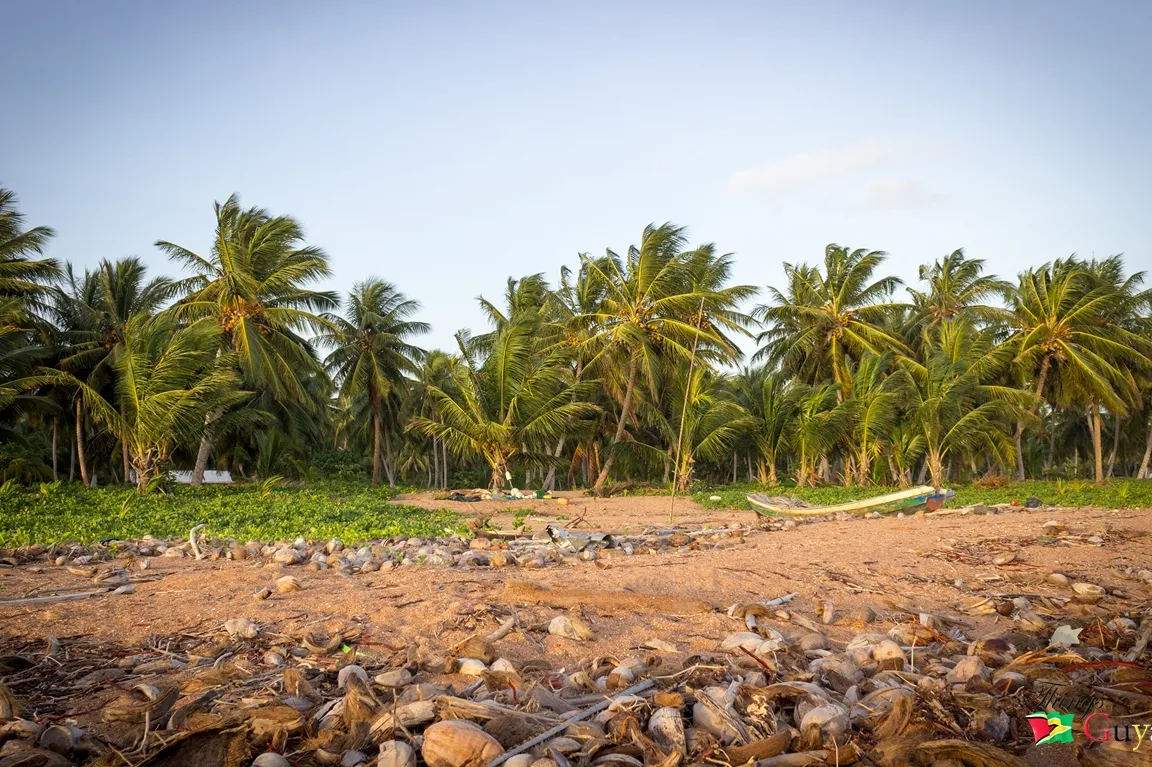
Shell Beach is globally important as one of the largest Atlantic nesting sites for four endangered sea turtle species: leatherback, green, hawksbill, and olive ridley. Its name comes from the millions of seashells that make up the beach. Historically, it has been a crucial place for wildlife and is managed in collaboration with local Indigenous communities, who play a key role in conservation efforts and act as guardians of this unique shoreline. You can learn more at Shell Beach Destination.
The best time of year to visit Shell Beach if your main goal is sea turtle watching is between March and August. During these months, thousands of turtles come ashore to nest (generally from June to August), and their hatchlings emerge from the nests (August to September). It is essential to go with an experienced guide to ensure responsible viewing and avoid interfering with their life cycle.
Because of its remote nature and natural terrain (sand and vegetation), Shell Beach does not have specific infrastructure for people with reduced mobility, such as ramps or paved paths. Access involves boat travel and walking along the beach. If you have special needs, we strongly recommend consulting a tour operator specializing in accessible travel to assess feasibility and available options.
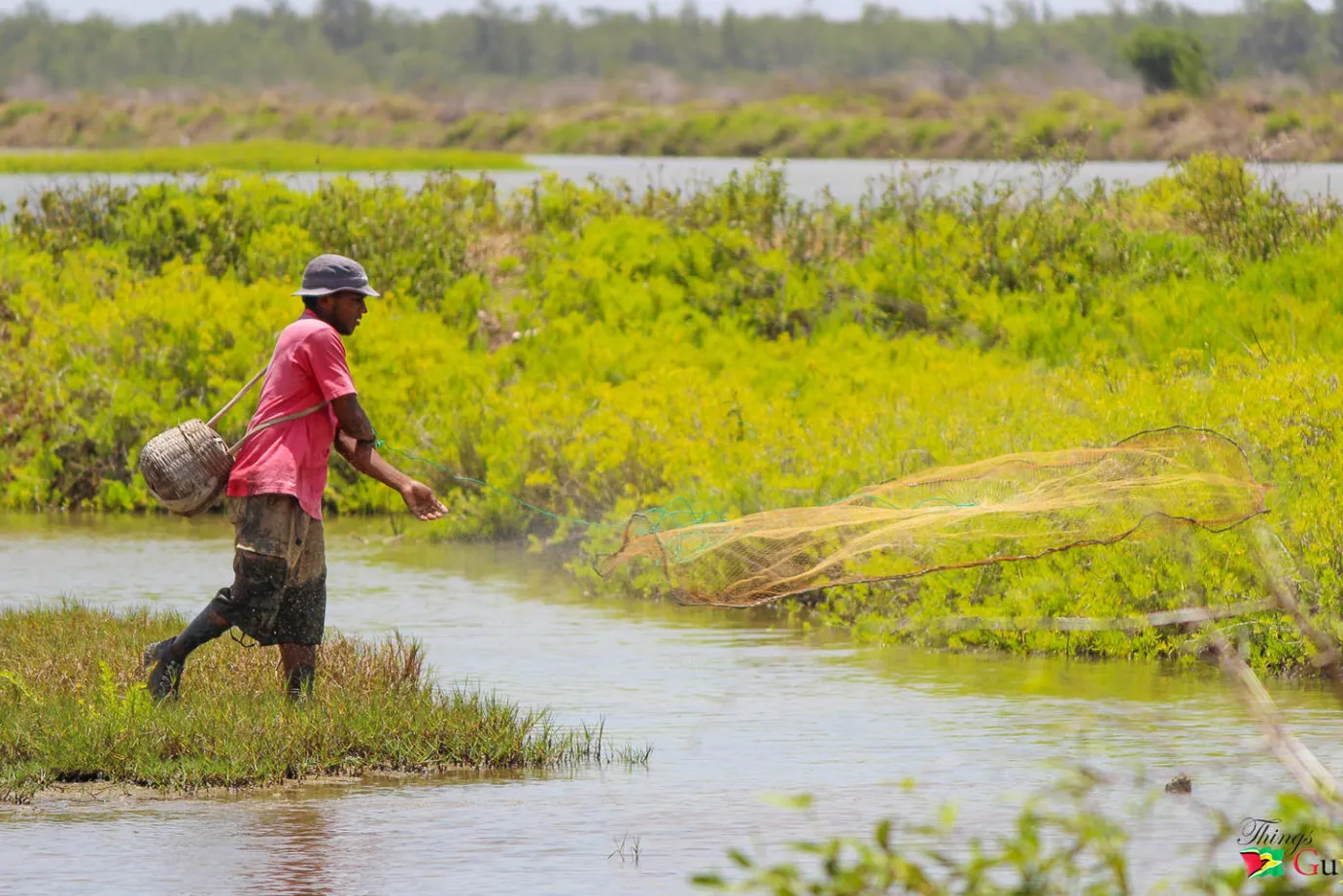
The Barima-Waini region, where Shell Beach is located, is rich in biodiversity and Indigenous culture. While Shell Beach is the main attraction, you can also explore surrounding forest areas for birdwatching, visit local Indigenous communities, and learn about their traditions. Some tours include visits to local villages or excursions on nearby rivers for additional ecotourism experiences. Always check with your tour operator about possible extensions.
Of course. First, always go with a certified local guide for your safety and to support community-based conservation. Bring insect repellent, sunscreen, a hat, lightweight long-sleeved clothing to protect yourself from the sun and mosquitoes, and a rain jacket. Do not forget a camera, preferably with a zoom lens for wildlife photos. Always follow turtle-watching rules and leave no trace behind. A respectful attitude toward nature and local communities is key to an unforgettable experience. Stay hydrated and bring your own refillable water bottles to reduce waste.
¿Prefieres escuchar en español?
🇪🇸 Escucha la audioguía de Shell Beach Protected Area en español