El tepuy guyanés donde un volcán antiguo se congeló en el tiempo, guardando cristales mágicos y secretos que ni los espíritus indígenas revelan fácilmente.
Mount Roraima is not a place with 'opening hours' like a museum, but rather an expedition destination. Access is through organized tours, generally lasting 6 to 10 days, departing from Paratepuy, Venezuela, or from Brazil and Guyana with specialized tour operators. A permit and local guide are required. For more details, check with travel agencies specialized in the area to plan your trip.
The cost of an expedition to Mount Roraima varies significantly depending on the length of the tour, whether porters and cooks are included, transportation from your point of origin, and the agency you choose. There is no single 'entrance fee,' but the full package can range from 800 to 2,000 USD per person or even more. It is essential to research and compare prices with several agencies.
To truly enjoy and complete the Mount Roraima expedition, a minimum of 6 to 8 days is recommended. This allows for a suitable hiking pace, time for acclimatization, and, most importantly, the chance to enjoy the plateau and its wonders without rushing. Don’t forget to get your audio guide from iAudioguia so you don’t miss a thing.
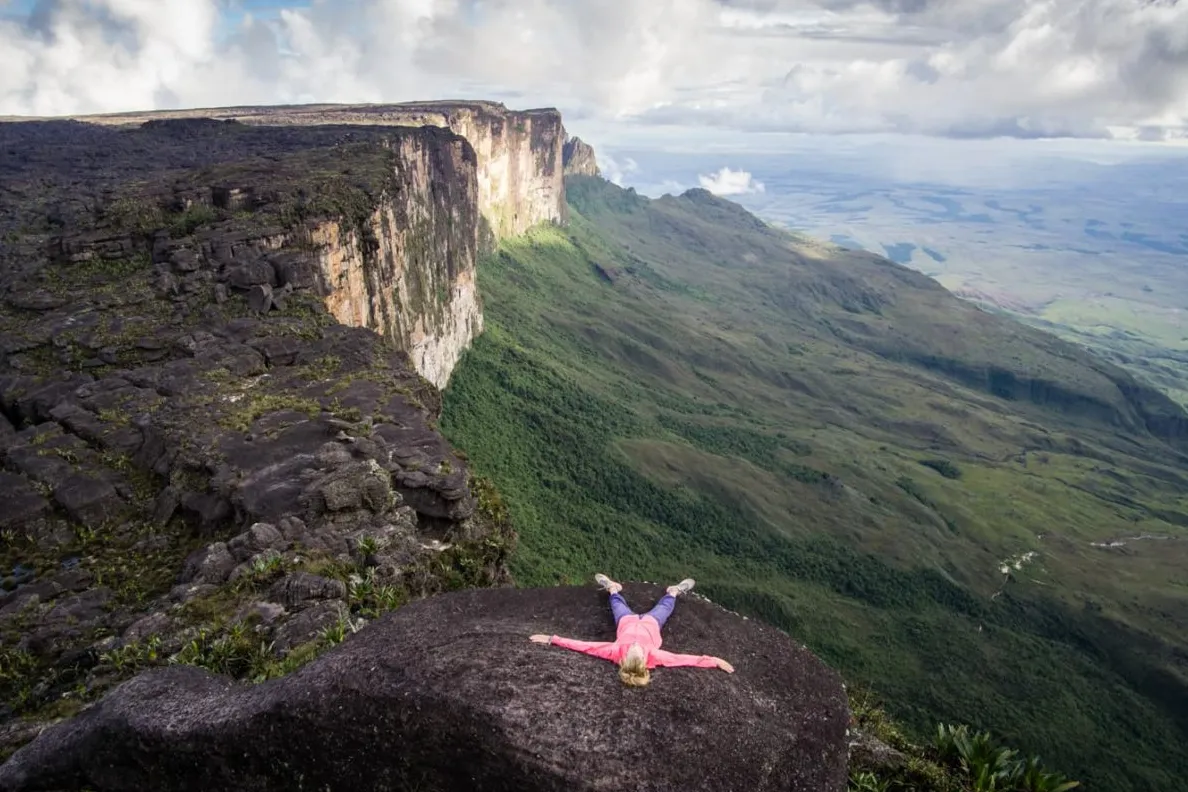
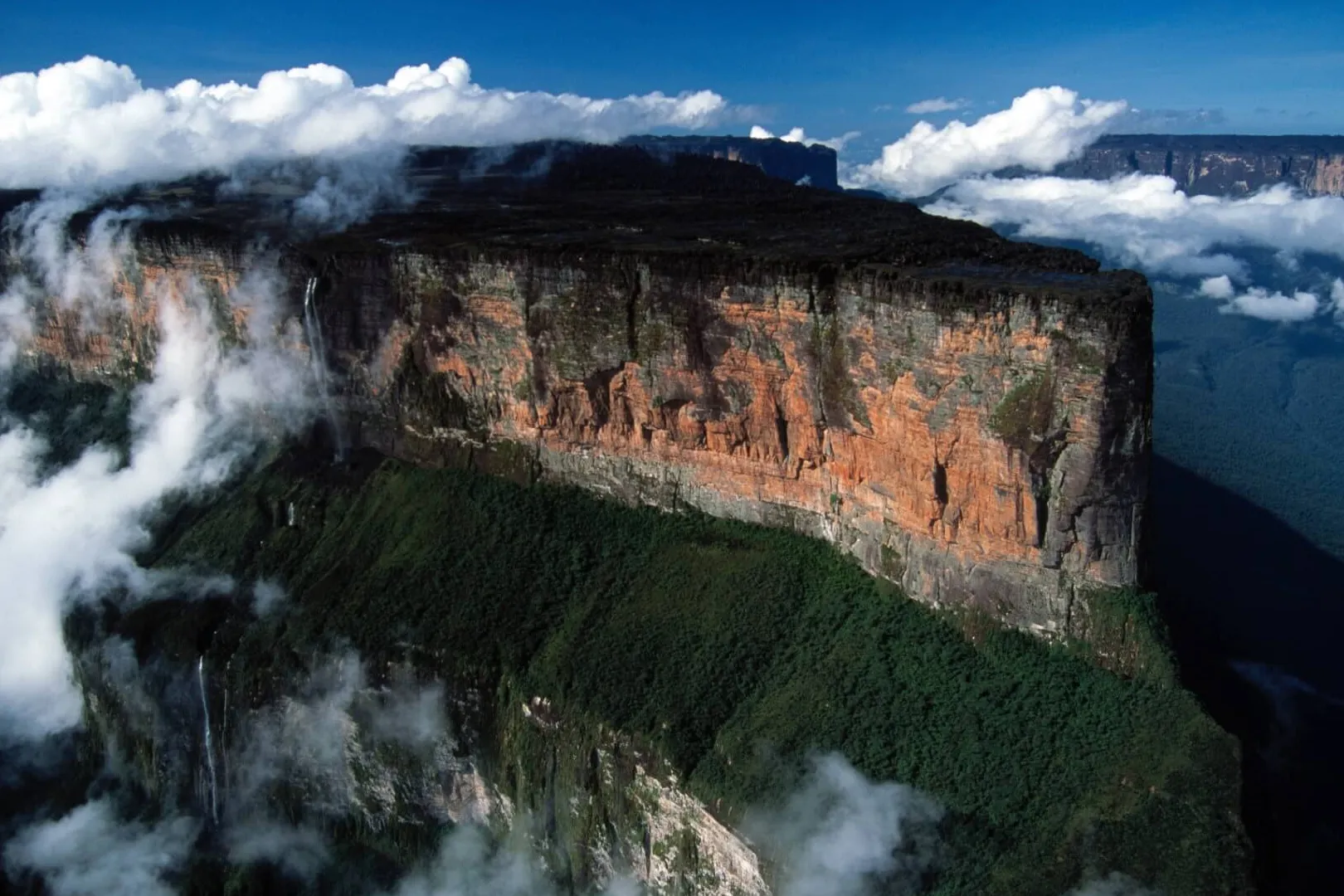
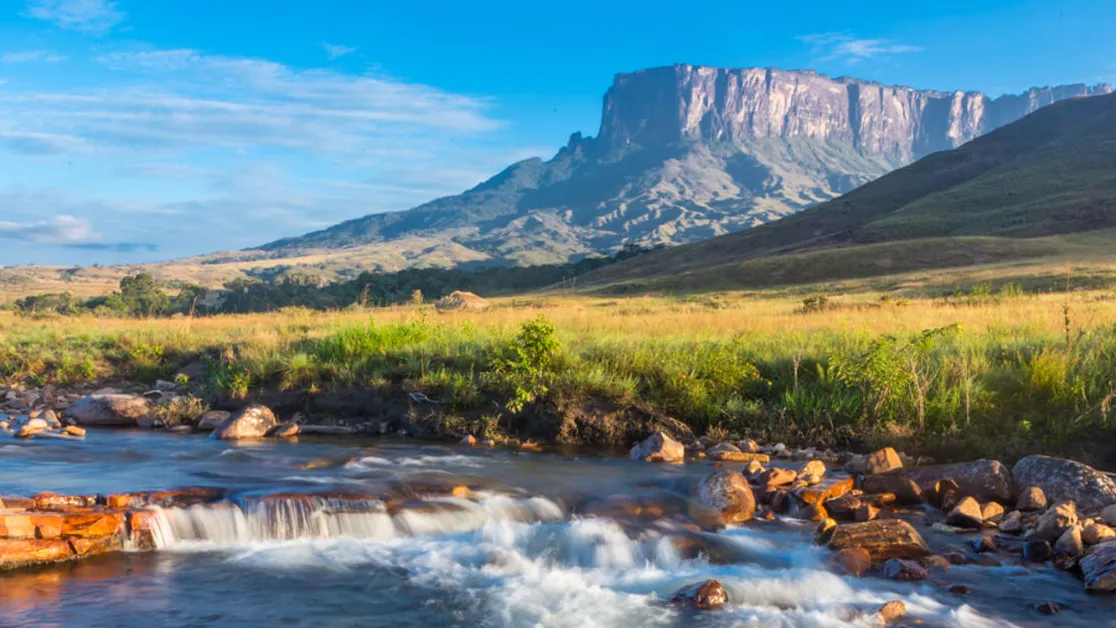
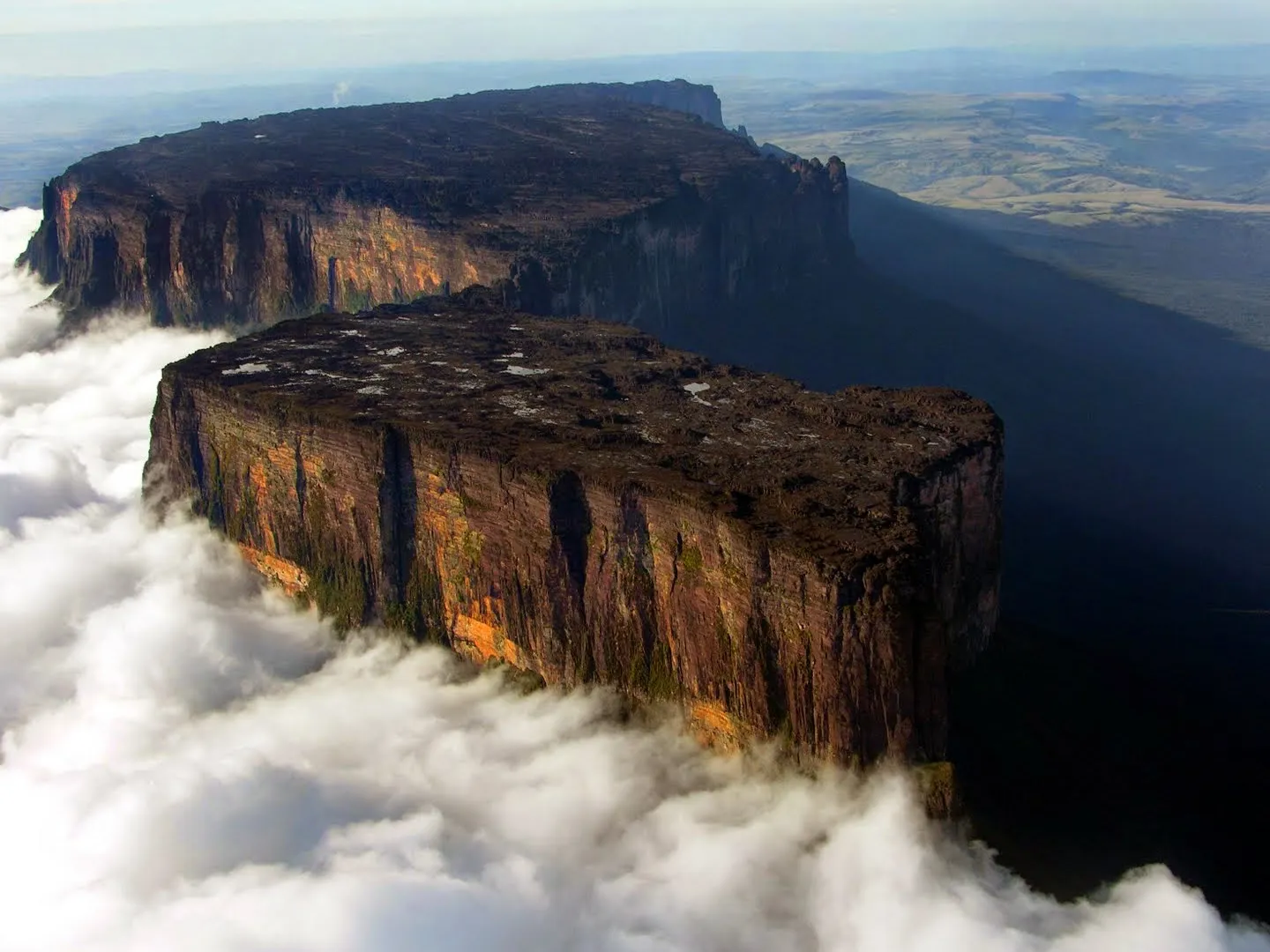
Mount Roraima is a place of great cultural importance for the Pemon people, who consider it a sacred and mystical place, full of legends and ancestral spirits. Geologically, it is one of the oldest tepuis on the planet, with unique rock formations and endemic biodiversity that make it a fascinating natural laboratory. Its landscape inspired Arthur Conan Doyle’s novel 'The Lost World.'
The best time to visit Mount Roraima, if you are looking for less rain, is during the dry season, which runs from December to March and from July to August. Although the weather in the area is unpredictable and rain is common at any time, these periods generally offer clearer skies and more comfortable hiking conditions. However, always be prepared for rain and humidity.
Unfortunately, the Mount Roraima expedition is considered a fairly demanding physical challenge, involving long walks over uneven terrain, steep ascents and descents, and river crossings. It is not accessible for people with reduced mobility, and there are no alternative access routes that avoid these difficulties. Good physical condition is required to complete the journey.
Because of Mount Roraima’s remote nature, the 'nearby attractions' are mainly other natural wonders. You could explore other areas of Canaima National Park in Venezuela, if your itinerary allows, or enjoy the biological diversity of the Gran Sabana. Consider checking with local tour operators, as they often offer extensions or complementary activities in the region to help you make the most of your trip.
Of course! My best tips are: train physically for the hike, bring proper gear (waterproof trekking boots, a backpack, layered clothing, sunscreen, and insect repellent), hire a good local guide, and carry a basic first-aid kit. Also, be environmentally responsible, pack out all your trash, and bring bags for wet clothes. And don’t forget to download your personalized iAudioguia so you have all the information at your fingertips!
¿Prefieres escuchar en español?
🇪🇸 Escucha la audioguía de Mount Roraima en español