No te vayas sin conocer la historia Suscribete
IAudioGuia iaudioguia
Audio Guides of Mabaruma

Audio Guide of the Barima River

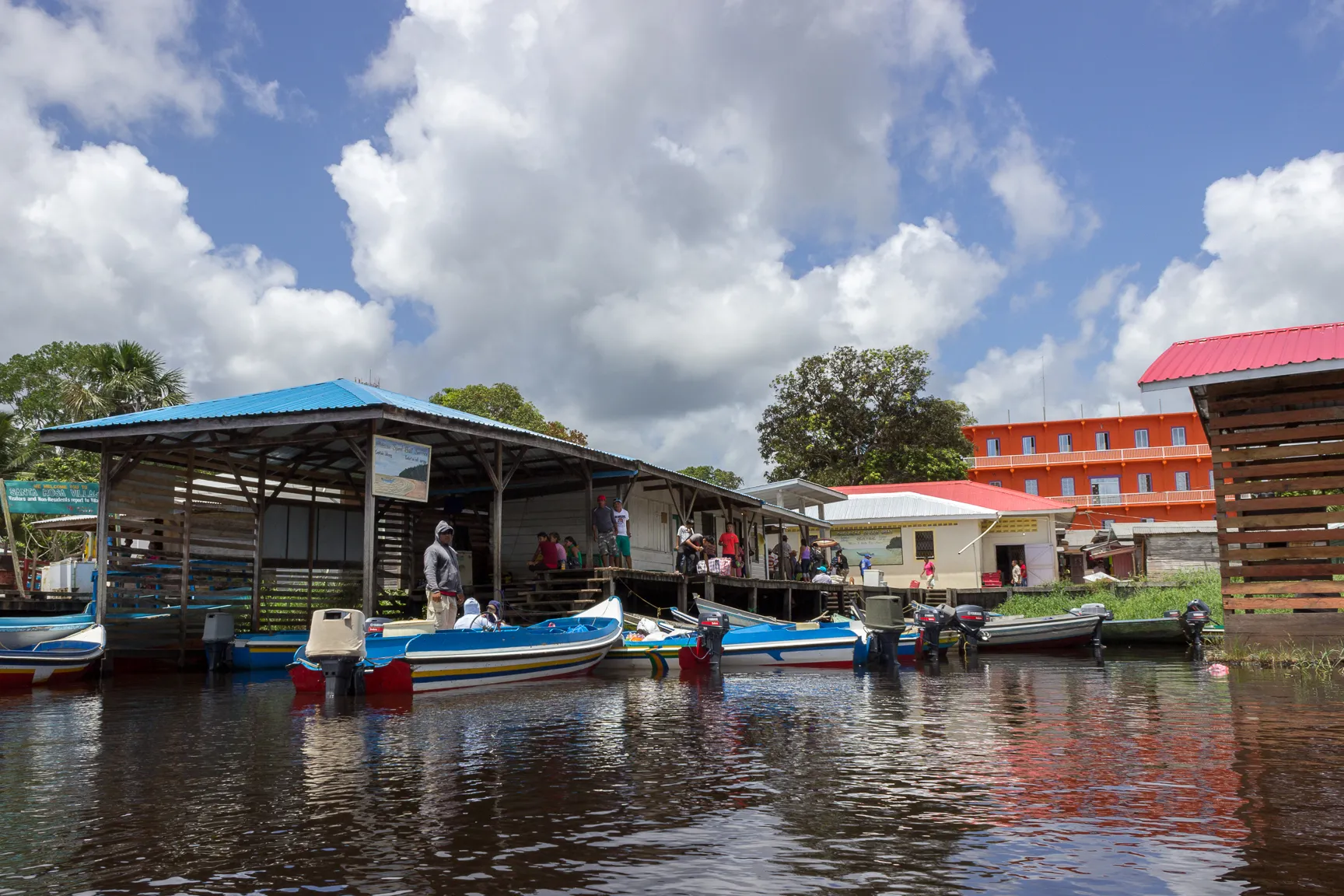
Remonta las aguas del Río Barima, donde dramas fronterizos y secretos warrau te harán sentir el pulso salvaje de Guyana.

✓ What guidebooks don't tell you
✓ Secrets other tourists miss
✓ Listen while you explore
Discover everything
00:00
00:00
Rate this audio guide

📖 Audio Guide Chapters

6 chapters

1. The River That Divided Nations

🔒 Premium Content

Subscribe to access all chapters of this audio guide.

2. Waters That Hide Hidden Relics

🔒 Premium Content

Subscribe to access all chapters of this audio guide.

3. Love and Betrayal in the Current

🔒 Premium Content

Subscribe to access all chapters of this audio guide.

4. Absurd Whispers of the Mangrove

🔒 Premium Content

Subscribe to access all chapters of this audio guide.

5. Invisible Eyes on the Shore

🔒 Premium Content

Subscribe to access all chapters of this audio guide.

6. The Legacy Carried Away by the Wind

🔒 Premium Content

Subscribe to access all chapters of this audio guide.

❓ Frequently Asked Questions

What are the opening hours and how can I access the Barima River in Mabaruma?

The Barima River is accessible at any time of day since it is a natural attraction, but visiting during daylight hours is recommended for safety, ideally from 8:00 AM to 6:00 PM. To get there from Mabaruma, you can take a local boat from the main dock; contact local guides through the official Guyana tourism website or call +592 226 8401 to make arrangements.

How much does it cost to visit the Barima River, and are there any additional fees?

Visiting the Barima River is free, as it is a natural river open to the public. However, if you choose a boat tour or guide, costs are usually around GY$5,000-10,000 (approx. USD 25-50) per person, depending on the duration; check updated prices on the regional tourism portal.

How much time should I set aside for visiting the Barima River?

It is recommended to spend at least 2-3 hours exploring the river, including a boat ride and wildlife observation. If you combine it with a walk along the banks, it could extend to half a day, allowing you to fully enjoy it without rushing.

What is the history or cultural significance of the Barima River?

The Barima River is vital to the Warrau and Arawak Indigenous communities of the region, having historically served as a trade route and source of life since pre-Columbian times. Its cultural significance lies in local fishing traditions and river myths, which you can learn more about through community guides for an authentic experience.

When is the best time to visit the Barima River?

The best time is during the dry season from December to May, when water levels are lower and boat access is easier. Go early in the morning to avoid the heat and enjoy the cool breeze, or at sunset for spectacular landscape views.

Is the Barima River accessible for people with reduced mobility?

The main access is on foot or by boat, which can be challenging for wheelchairs due to uneven terrain and docks. Some operators offer adapted boats; contact the Mabaruma visitor center in advance at +592 226 8401 for personalized options and to ensure an inclusive visit.

What other attractions are near the Barima River?

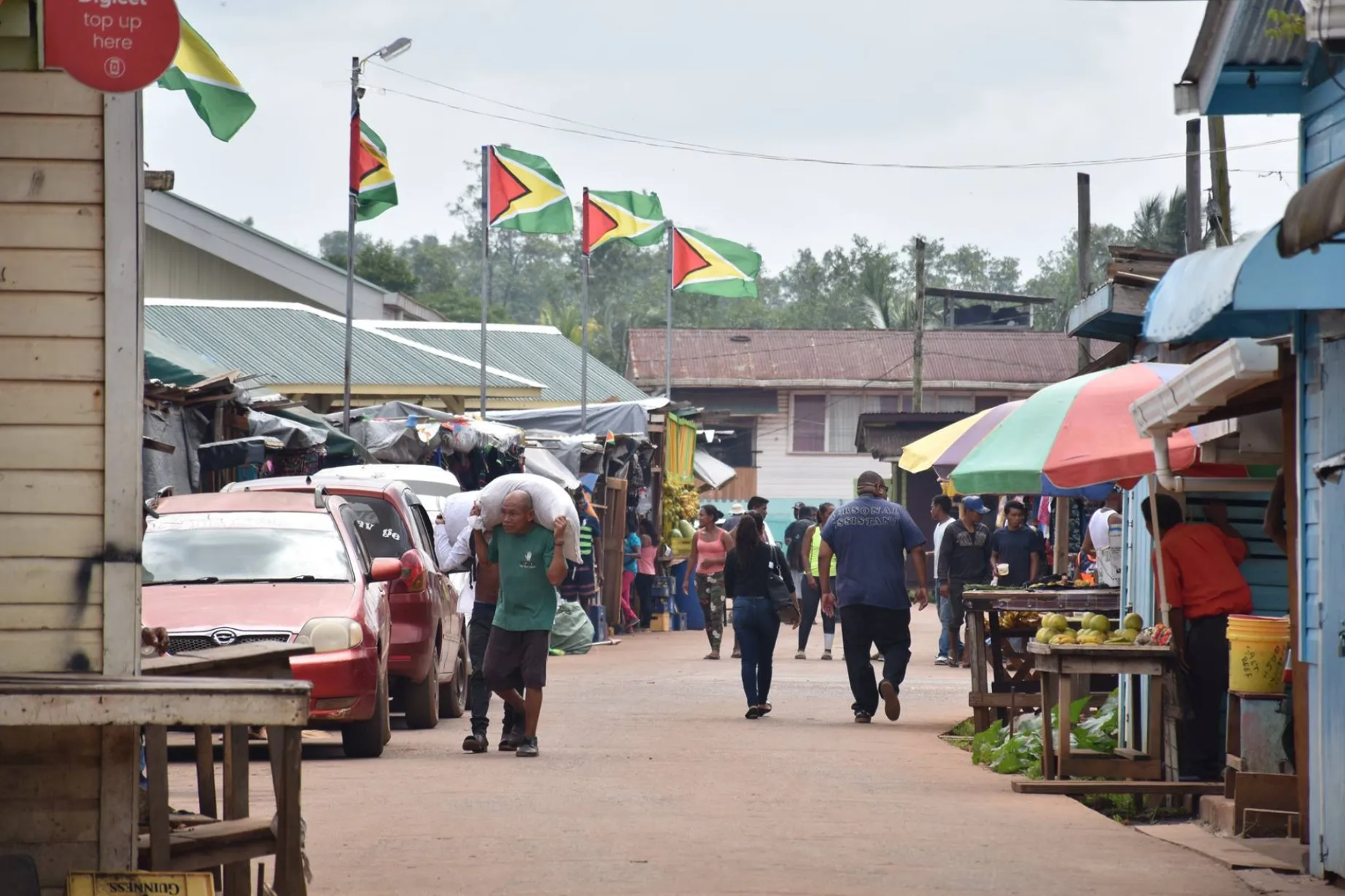
Near the Barima River, you can visit the Indigenous community of Whitewater or Mount Caburaí for hiking. You can also explore the Mabaruma market for local crafts; for more ideas, see the guide to Guyana's Northwest region.

What are some practical tips for my visit to the Barima River?

Bring insect repellent, sunscreen, and light clothing, as the climate is humid; stay well hydrated and wear comfortable shoes for the terrain. Book a local guide for safety and to learn about the ecosystem, and respect environmental rules by not leaving trash behind; check the weather on local apps before departing.

¿Prefieres escuchar en español?

🇪🇸 Escucha la audioguía de the Barima River en español