No te vayas sin conocer la historia Suscribete
IAudioGuia iaudioguia
Audio Guides of Kumaka

Audio Guide of Arawak Communities

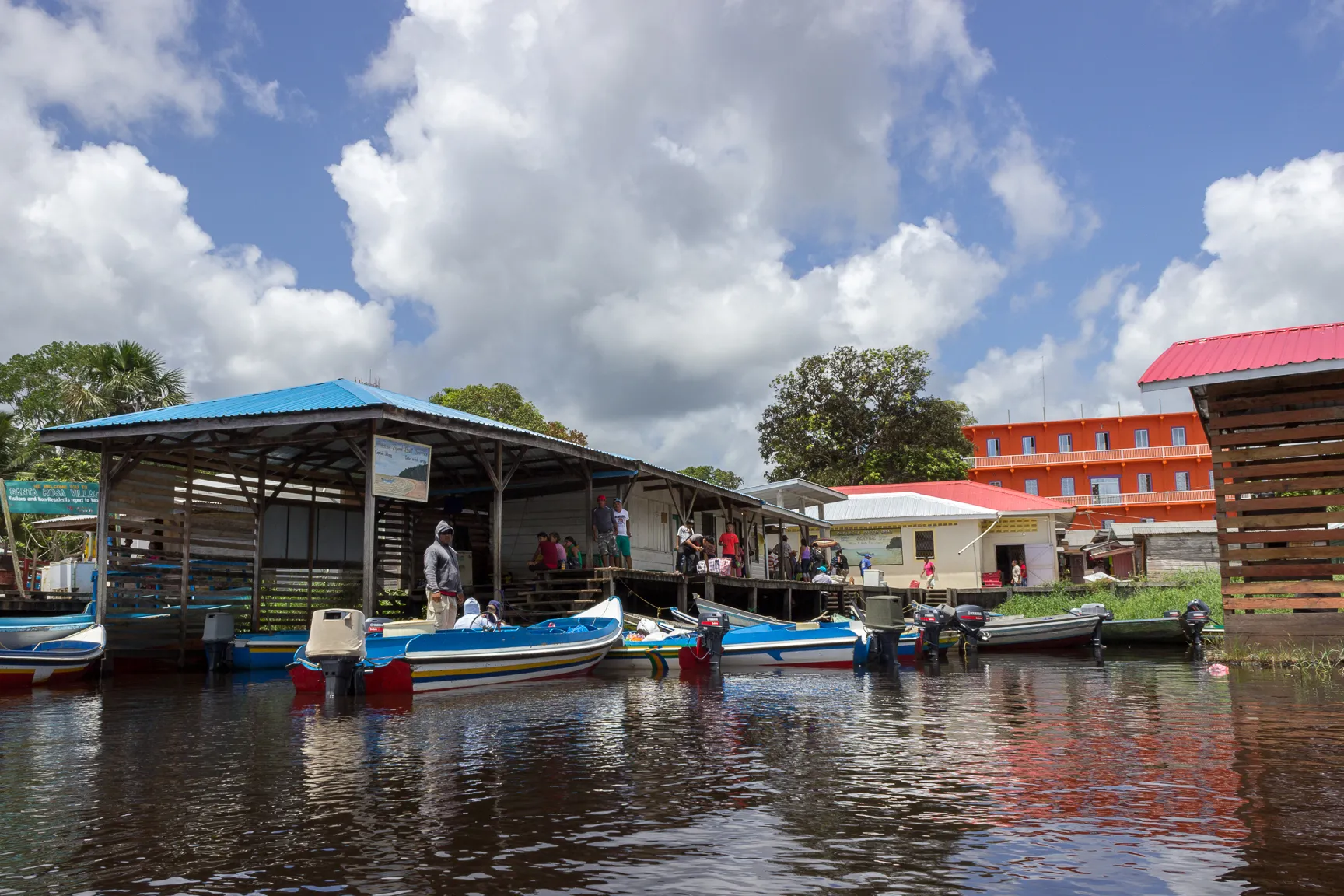
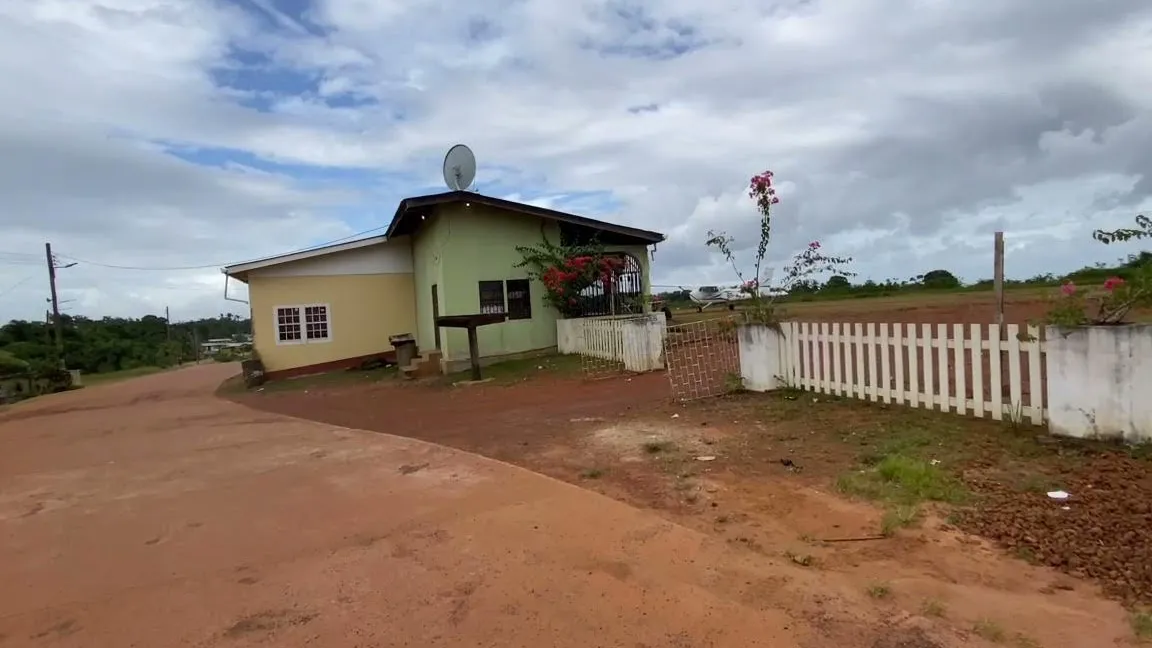
Las Comunidades Arawak en Kumaka, Guyana, representan un legado indígena vivo donde la cultura ancestral se preserva en armonía con la selva tropical.

✓ What guidebooks don't tell you
✓ Secrets other tourists miss
✓ Listen while you explore
Discover everything
00:00
00:00
Rate this audio guide

📖 Audio Guide Chapters

6 chapters

1. Welcome to the Arawak Communities

🔒 Premium Content

Subscribe to access all chapters of this audio guide.

2. The Architecture of the Arawak Communities

🔒 Premium Content

Subscribe to access all chapters of this audio guide.

3. History and Figures of the Arawak Communities

🔒 Premium Content

Subscribe to access all chapters of this audio guide.

4. Art and Details of the Arawak Communities

🔒 Premium Content

Subscribe to access all chapters of this audio guide.

5. Secrets and Curiosities

🔒 Premium Content

Subscribe to access all chapters of this audio guide.

6. Farewell and Recommendations

🔒 Premium Content

Subscribe to access all chapters of this audio guide.

❓ Frequently Asked Questions

When are the Arawak Communities in Kumaka open and how can I get there?

The communities are generally accessible year-round, but guided visits are recommended from Monday to Saturday between 9:00 a.m. and 5:00 p.m.; contact the local visitor center at +592 284 2099 to confirm. To get there, fly to the Kumaka airstrip or travel by boat from Mabaruma; hiring a local guide is ideal for navigating the Barima-Waini region.

How much does admission to the Arawak Communities in Kumaka cost?

Admission is free, as this is a living Indigenous community, but a voluntary donation of around USD 5–10 per person is suggested to support local initiatives. If you choose a guided tour, the cost may range from USD 20–50, including transportation; check the official Guyana Tourism website for updated packages.

How much time is recommended for a visit to the Arawak Communities?

A typical visit lasts 2 to 4 hours, allowing time for a guided tour of the traditional homes and a cultural demonstration. If you include a walk through the surrounding area or a deeper interaction with local residents, consider extending it to half a day for a more immersive experience.

What is the historical and cultural importance of the Arawak Communities in Kumaka?

The Arawak Communities represent one of Guyana’s oldest Indigenous groups, with roots going back centuries, known for their connection to nature and traditions such as hammock weaving and sustainable fishing. Visiting them offers a window into the pre-Columbian heritage of the Barima-Waini region, highlighting their role in preserving Amazonian biodiversity and ancestral customs.

When is the best time to visit the Arawak Communities in Kumaka?

The best period is during the dry season from December to May, when the weather is more favorable and the roads are accessible without heavy rain. Early morning, around 9:00 a.m., is ideal for avoiding the midday heat and enjoying the community’s daily activities in the best light.

Are the Arawak Communities accessible for people with reduced mobility?

Access is limited due to the rural terrain and dirt paths; there are no fully wheelchair-adapted facilities, but local guides may assist with flatter routes for short walks. We recommend contacting the community center in advance for personalized arrangements; more information is available from the Guyana Ministry of Tourism.

What other attractions are near the Arawak Communities in Kumaka?

Nearby, you can visit Kamarang Falls or explore Iwokrama National Park for wildlife watching, a few hours away by boat. The town of Mabaruma also offers Indigenous markets and views over the Barima River, making it a great addition to your itinerary.

What practical advice do you have for visiting the Arawak Communities?

Bring insect repellent, light clothing, and comfortable shoes for uneven ground, and respect local customs by asking permission before taking photographs. Book a guide through agencies in Georgetown for an authentic experience, and consider bringing water and snacks, as options are limited in this remote area.

¿Prefieres escuchar en español?

🇪🇸 Escucha la audioguía de Arawak Communities en español