El gigante de acero que salvó una guerra y enamoró a un país con sus secretos de aviones y cocodrilos.
The Rio Dulce Bridge is road infrastructure and is therefore open 24 hours a day, 7 days a week, as it is part of Highway CA-13. There is no closing time as such. To get there, if you are coming from Guatemala City, you can take the route toward the Atlantic on CA-9 and then turn toward Izabal on CA-13. You can find a more precise location on Google Maps.
No, the Rio Dulce Bridge is a public vehicle and pedestrian bridge, so there is no cost or fee to cross it or stop and admire it. It is completely free. However, if you decide to take a boat tour on the river, that service will have a cost.
If you only plan to cross the bridge or stop briefly to take a few photos, you will spend between 15 and 30 minutes. If you want to enjoy the scenery and explore some nearby viewpoints or the atmosphere of the town of Rio Dulce, you could allow one or two hours. The length of your visit will depend on whether you use it as a passing point or as a tourist stop.
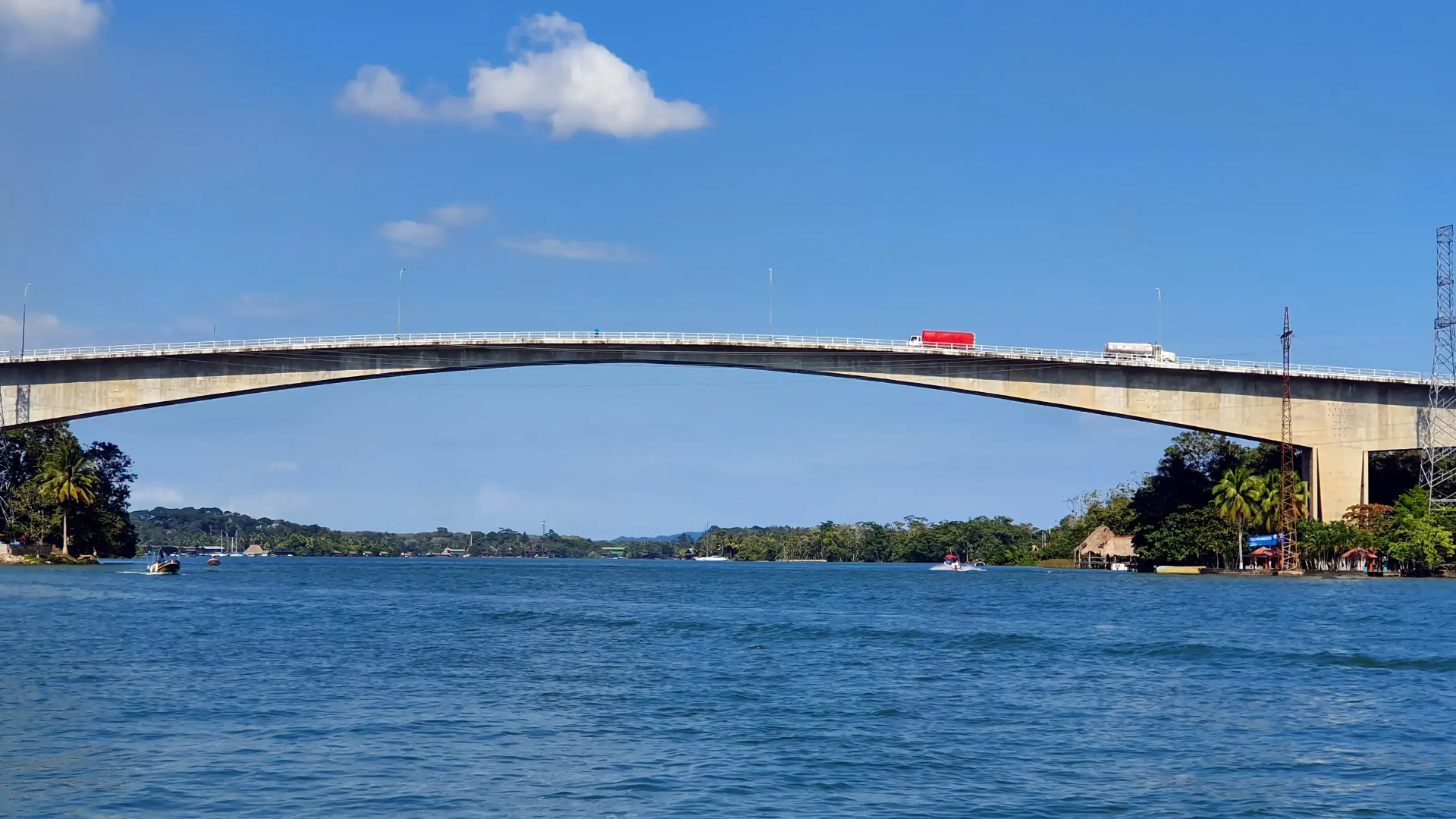
The Rio Dulce Bridge, inaugurated in 1980, is an impressive work of engineering and of great importance because it connects eastern Guatemala with Peten and Belize, facilitating trade and tourism. It does not have a direct pre-Columbian or colonial history, but its construction was a milestone for the development of the region, making it a symbol of connectivity and progress in Izabal. In addition, its design and size make it an iconic visual landmark in the area.
The best time to visit the Rio Dulce Bridge is during the dry season, from November to May, to avoid heavy rains and enjoy clearer skies. As for the time of day, sunrise or sunset offer the most spectacular views and the most photogenic light. During these hours, the heat is also less intense and vehicle traffic is usually lighter.
Since the Rio Dulce Bridge is vehicle infrastructure, its accessibility is designed primarily for vehicles. Although there are sidewalks for pedestrians, they may not have suitable ramps at all access points, and the surrounding area, such as informal viewpoints, may present uneven surfaces. Caution is recommended and, if possible, going with a companion for assistance.
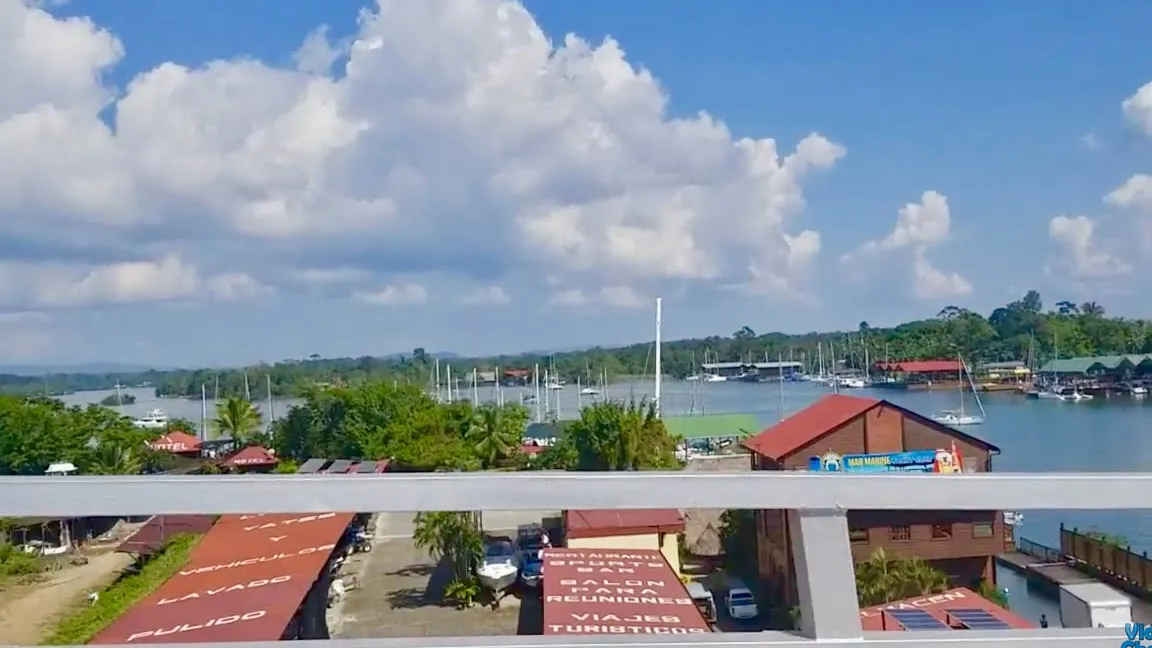
There is a lot to explore nearby. Very close by you have San Felipe de Lara Castle, a colonial fort with a rich history. You can also take boats to explore the Chocon Machacas Biotope, home of the manatee, or visit the hot springs of Finca El Paraiso. Do not forget the many cays and Q'eqchi' villages along the river, such as Livingston, accessible by boat. More information about the region at Visit Guatemala - Izabal.
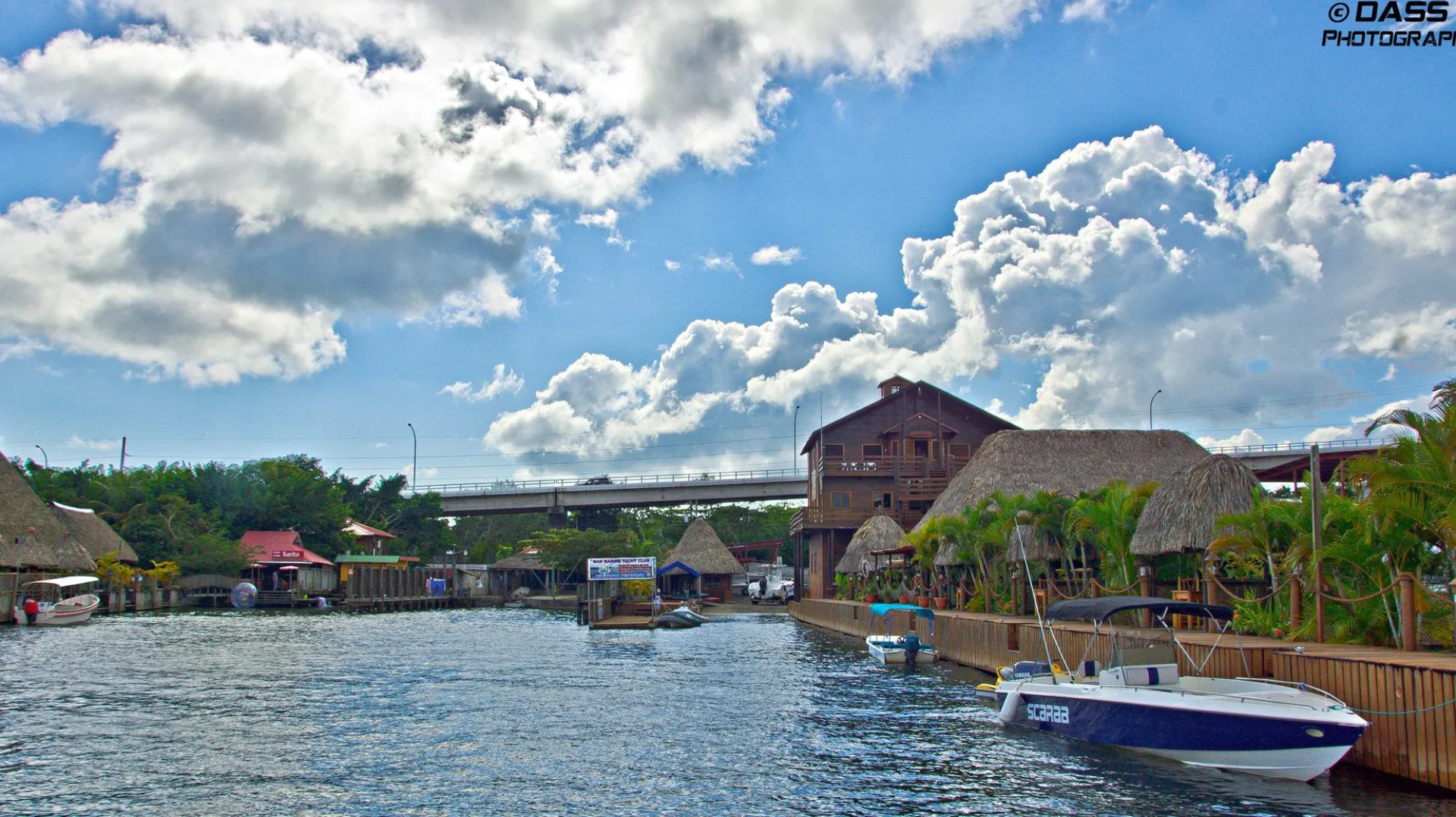
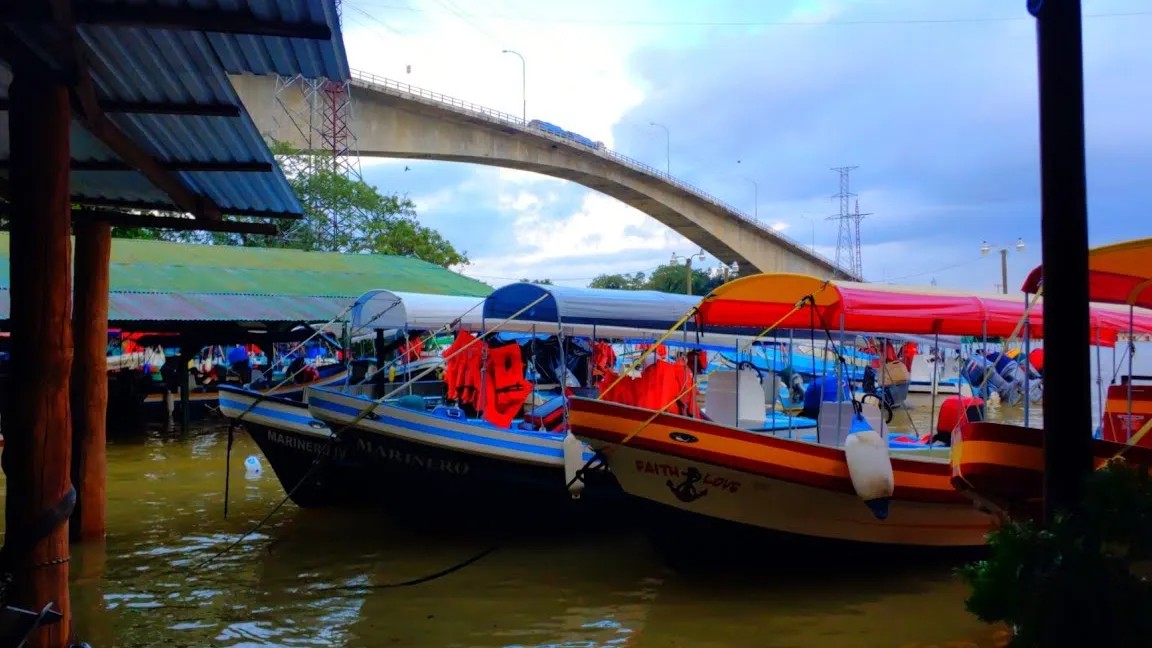
Of course. To make the most of your visit, I suggest the following: if you are traveling by vehicle, look for a safe place to park and admire the bridge from a distance or from the nearby docks. Consider taking a boat tour for a different perspective of the bridge and to explore the impressive Rio Dulce canyon. Do not forget your camera to capture the panoramic views, and make sure to bring sunscreen and insect repellent. If you are staying in the area, ask at your hotel about local tour operators and additional recommendations.
¿Prefieres escuchar en español?
🇪🇸 Escucha la audioguía de Rio Dulce Bridge en español