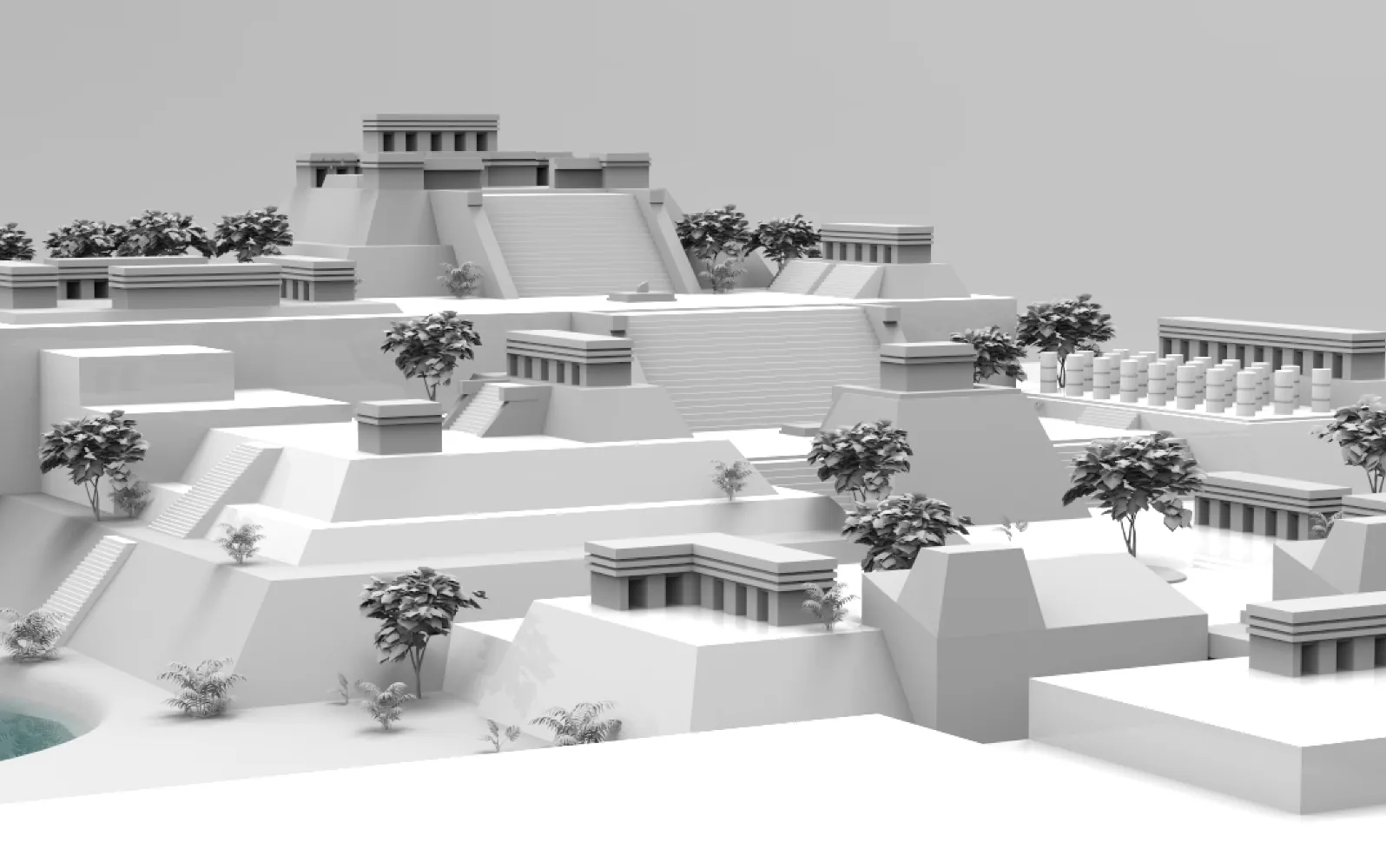
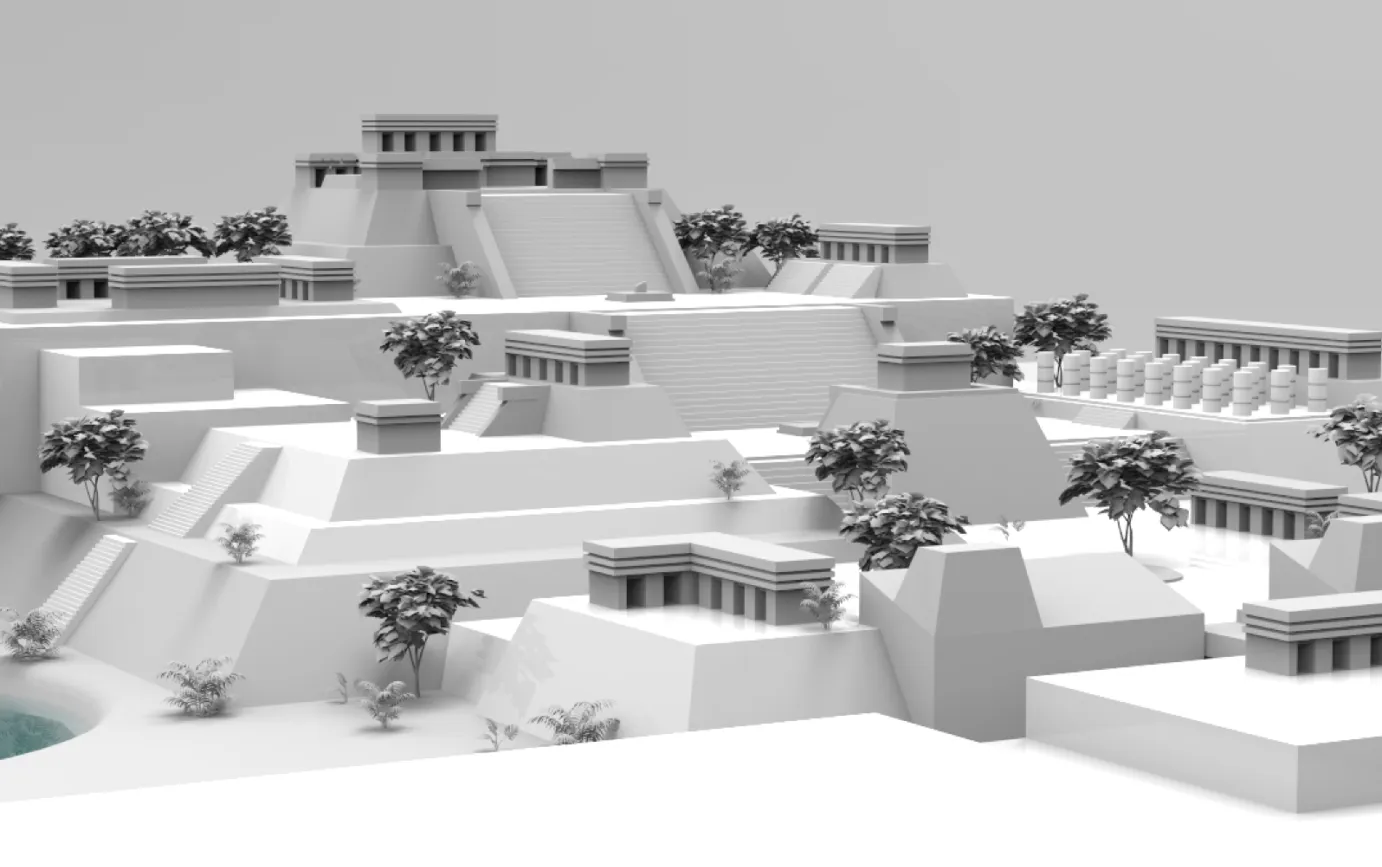
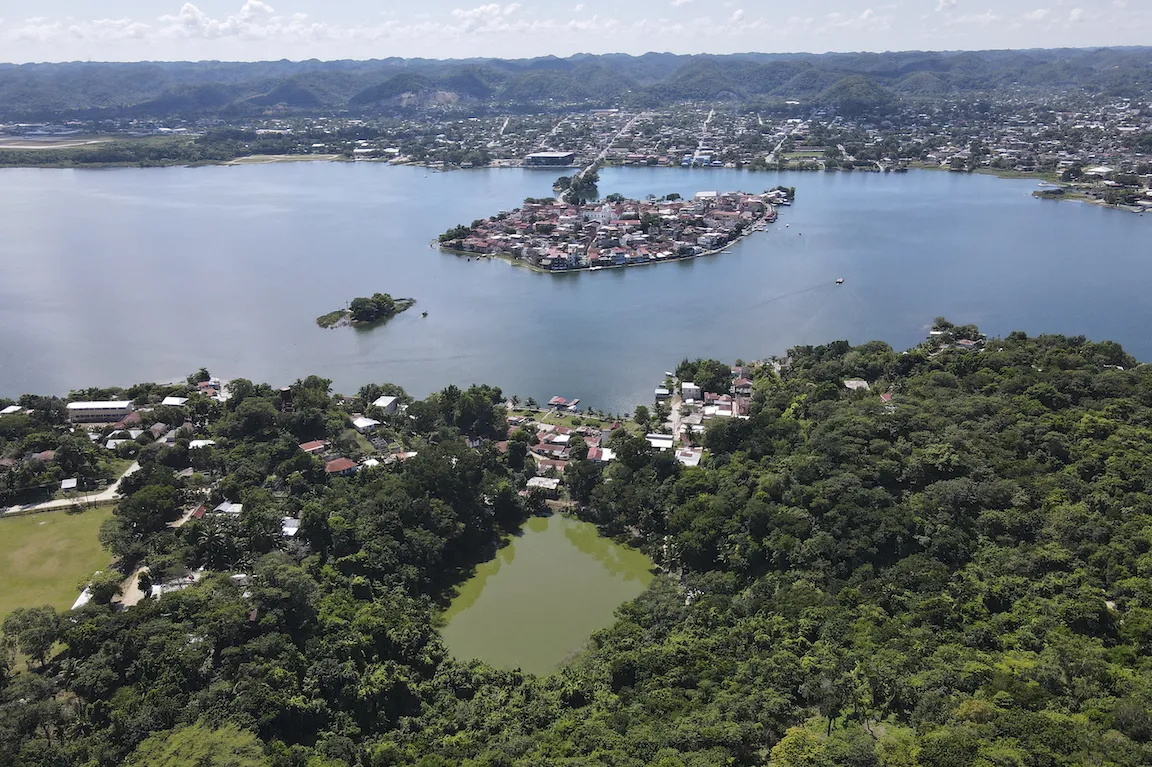
¿Sabías que esta islita en Guatemala fue la última ciudad maya en rendirse a los españoles... ¡después de 171 años de resistencia?
At present, official information about Tayasal’s exact opening hours is somewhat limited online. However, since it is mainly reached by boat from Flores, it is best to coordinate with local boatmen. These services generally operate from 8:00 AM to 5:00 PM. We recommend asking at your accommodation in Flores or directly at the dock about the boat services to Tayasal and their confirmed schedules at the time of your visit to ensure your transport and return. The main access is by water, crossing Lake Petén Itzá.
As far as we know, the Tayasal Archaeological Site itself does not have an official entrance fee to access the ruins, since much of the research and preservation is still ongoing and it is not a fully developed tourist park like Tikal. The main cost involved will be the boat transport from Flores. The boat price is negotiable and varies depending on the number of people and how long they wait for you there, but expect to pay around 100–200 GTQ for the round trip. We recommend bringing cash (quetzals) to pay for transportation.
For a worthwhile visit that allows you to explore the archaeological site and enjoy the natural surroundings, it is recommended to set aside at least 2 to 3 hours. This includes the boat trip from Flores (about 15–20 minutes each way) and enough time to walk through the ruins and take in the atmosphere of the place. If you enjoy history and nature, you may want to stay a little longer.
Tayasal is special because it was the last capital of the Itzá kingdom to fall to the Spanish conquerors, resisting until 1697, more than 150 years after the fall of Tenochtitlan. It is a symbol of Maya resistance. It is also believed to have been an important political and religious center for the Itzá, with structures and remains that offer a unique view of their culture and adaptability to the lake environment. Its strategic location on an island originally demonstrates the complexity of its society.
The best time of day to visit Tayasal is early in the morning, just after the first boatmen depart, or in the mid-afternoon to avoid the strongest midday heat and the crowds of visitors, although Tayasal is rarely very busy. As for the best time of year, the dry season from November to May is ideal, as there is less humidity and rain, which makes transport and exploration easier. The rainy season from June to October can make the paths muddy and the lake rougher.
Unfortunately, access to Tayasal and exploring the site are not very suitable for people with reduced mobility or those using wheelchairs. Transportation is by boat, and once on land, the paths may be uneven, unpaved, sloped, and without adapted infrastructure. It is a natural and archaeological setting with little or no accessibility accommodation. Caution is recommended, and these limitations should be considered before planning the visit if you have any mobility difficulties.
Of course! Flores is the gateway to many wonders. You should not miss Tikal National Park, one of the most impressive Maya sites, just an hour and a half from Flores (tours to Tikal from Flores). You can also visit the Petén-Itzá Zoo (Petencito), located on an island and accessible by boat, which is home to local wildlife. Other nearby sites include Yaxhá and Topoxté, research and conservation camps, as well as the caves of Actun Kan (The Caves of Actun-Kan).
To make the most of your visit, I recommend bringing insect repellent, which is essential, sunscreen, a hat or cap, and enough bottled water, since there are no sales services on site. Wear comfortable, closed shoes for walking on the trails. Bring a camera to capture the beautiful landscapes and the ruins. If you are interested in history, consider hiring a local guide in Flores who can accompany you and provide detailed information about the significance of Tayasal. And of course, leave no trace. Take care of the environment and respect local rules.
¿Prefieres escuchar en español?
🇪🇸 Escucha la audioguía de Tayasal Archaeological Site en español