No te vayas sin conocer la historia Suscribete
IAudioGuia iaudioguia
Audio Guides of Livingston

Audio Guide of Río Dulce National Park

¿Sabías que piratas holandeses remontaron este río para saquear fortalezas españolas? Ven, te cuento los dramas que el agua aún susurra.

✓ What guidebooks don't tell you
✓ Secrets other tourists miss
✓ Listen while you explore
Discover everything
00:00
00:00
Rate this audio guide

📖 Audio Guide Chapters

6 chapters

1. The assault that changed the river

🔒 Premium Content

Subscribe to access all chapters of this audio guide.

2. Walls that keep betrayals

🔒 Premium Content

Subscribe to access all chapters of this audio guide.

3. Forbidden loves and furious exiles

🔒 Premium Content

Subscribe to access all chapters of this audio guide.

4. The cry that fools jaguars

🔒 Premium Content

Subscribe to access all chapters of this audio guide.

5. Marks that only the river sees

🔒 Premium Content

Subscribe to access all chapters of this audio guide.

6. The legacy that does not drown

🔒 Premium Content

Subscribe to access all chapters of this audio guide.

❓ Frequently Asked Questions

What are the visiting hours and the best way to reach the national park?

The river itself (the waterway) is 'open' 24 hours a day, but public boat transport generally operates from 6:00 AM to 5:00 PM. The main access is by water from the town of Río Dulce (Fronteras) or from Livingston; we recommend arranging your transport with local tour operators to secure your spot.

How much does admission or a Río Dulce tour cost?

There is no single admission fee for the natural park, but shared boat transport usually costs between Q125 and Q200 (about $15-$25 USD) per person. If you want to visit specific attractions along the route, such as San Felipe de Lara Castle, admission has an additional symbolic cost (about Q20 for locals and Q75 for foreigners).

How much time is recommended for the visit?

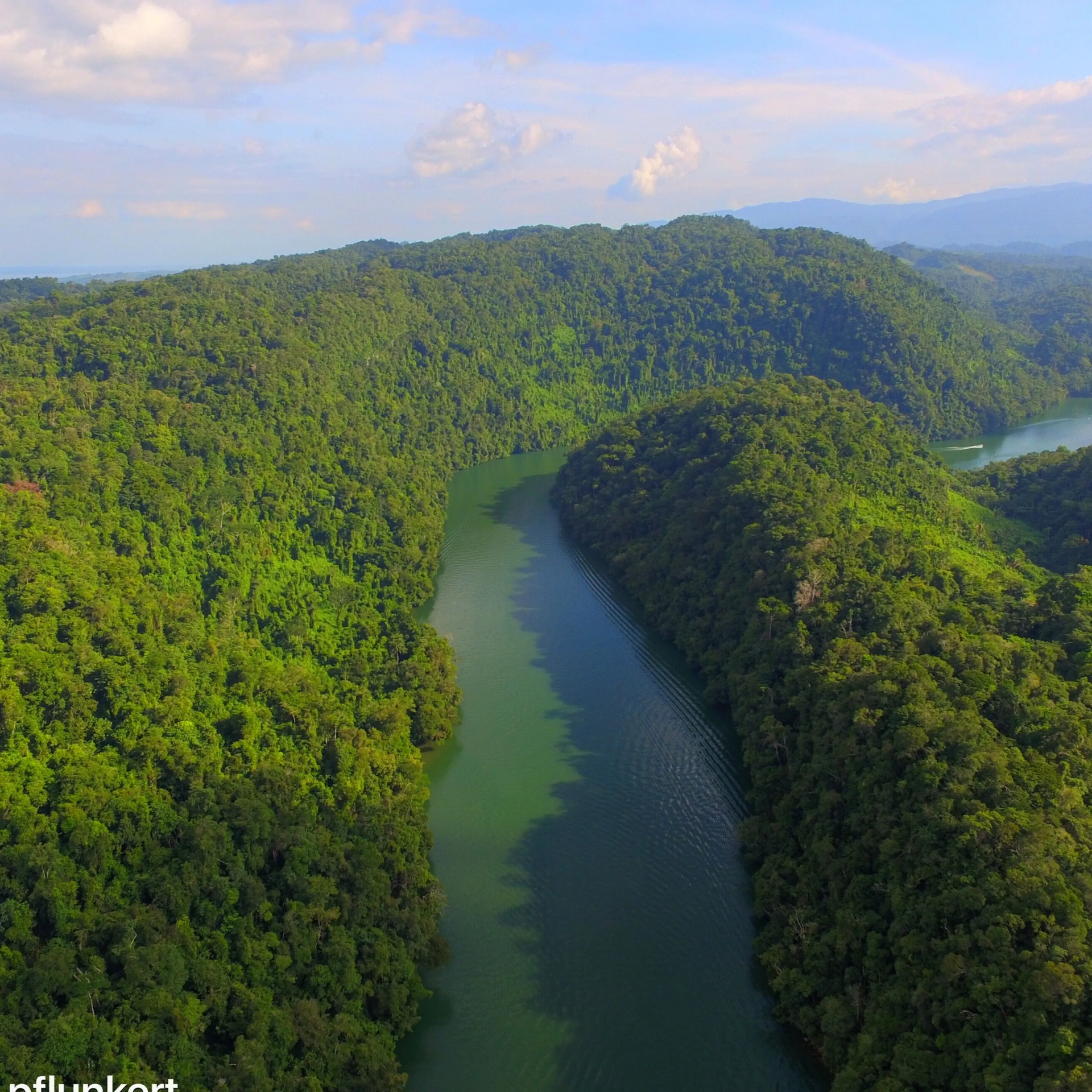
The boat journey from one end to the other takes about 1.5 to 2 hours without many stops. However, to enjoy the canyon, the mangroves, and have lunch at a floating restaurant, we recommend setting aside at least 4 to 6 hours or even staying overnight in one of the area's ecolodges.

What is the historical importance of this place?

Río Dulce was a vital trade route for the Maya civilization and later a strategic point during the Spanish colonial period. Its importance lies in defense against pirates, embodied in the historic San Felipe de Lara Castle, located at the entrance to Lake Izabal.

What is the best time of year to visit Río Dulce?

The best time is during the dry season, from November to April, when the weather is more pleasant and there is less rain. We suggest starting your trip early in the morning (around 8:00 AM) to spot more wildlife and avoid the intense midday heat.

Does the park have facilities for people with reduced mobility?

Accessibility is limited because most of the experience requires getting on and off small boats, which can be difficult for wheelchairs. However, the area around San Felipe de Lara Castle and some luxury waterfront hotels have better infrastructure; it is recommended to check in advance with your hotel or boat operator.

What other nearby tourist sites are worth seeing?

The visit is often combined with the Garífuna town of Livingston at the river's mouth and Lake Izabal. You can also visit impressive nearby sites such as the hot-water waterfall at Finca Paraíso or Seven Altars, a system of natural pools in the jungle.

What practical tips would you give to make the most of my visit?

Always carry cash (quetzales), since ATMs are scarce along the route, and use plenty of sunscreen and eco-friendly insect repellent. If you are traveling with luggage and are just passing through, make sure to arrange a boat that allows you to bring your bags or leave them stored at your departure point.

¿Prefieres escuchar en español?

🇪🇸 Escucha la audioguía de Río Dulce National Park en español