No te vayas sin conocer la historia Suscribete
IAudioGuia iaudioguia
Audio Guides of Meteora

Audio Guide of Kalambaka Village

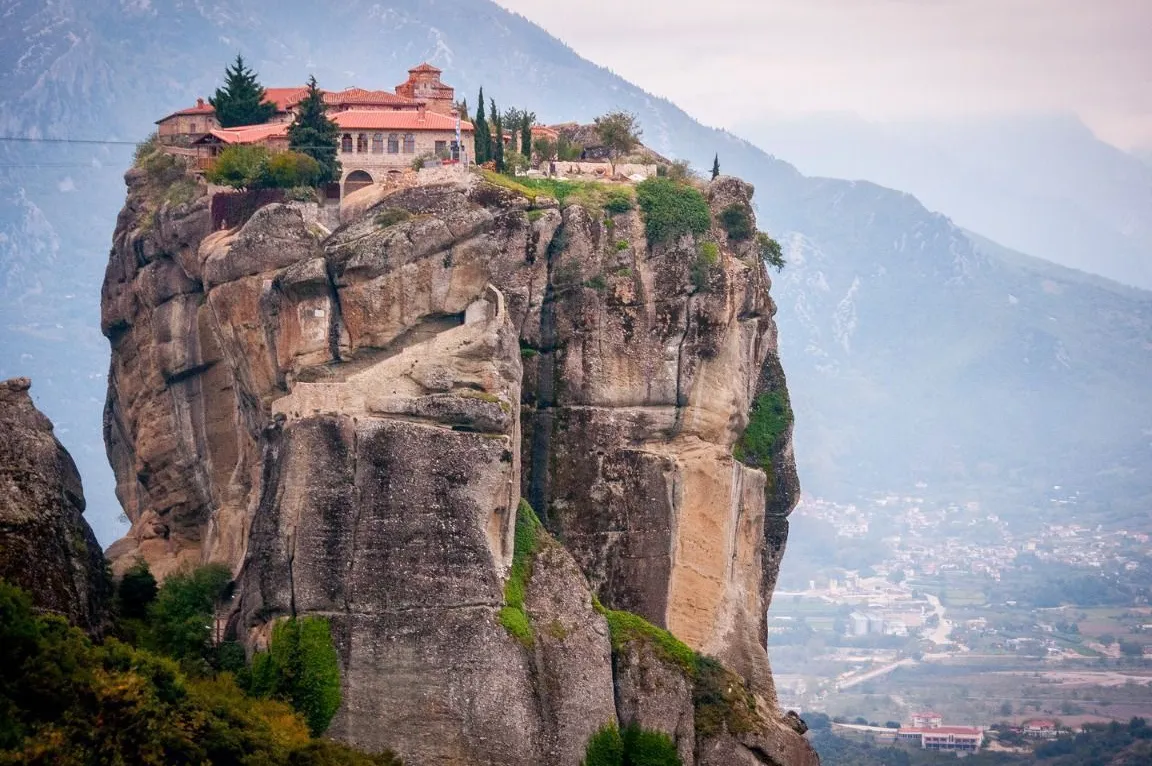
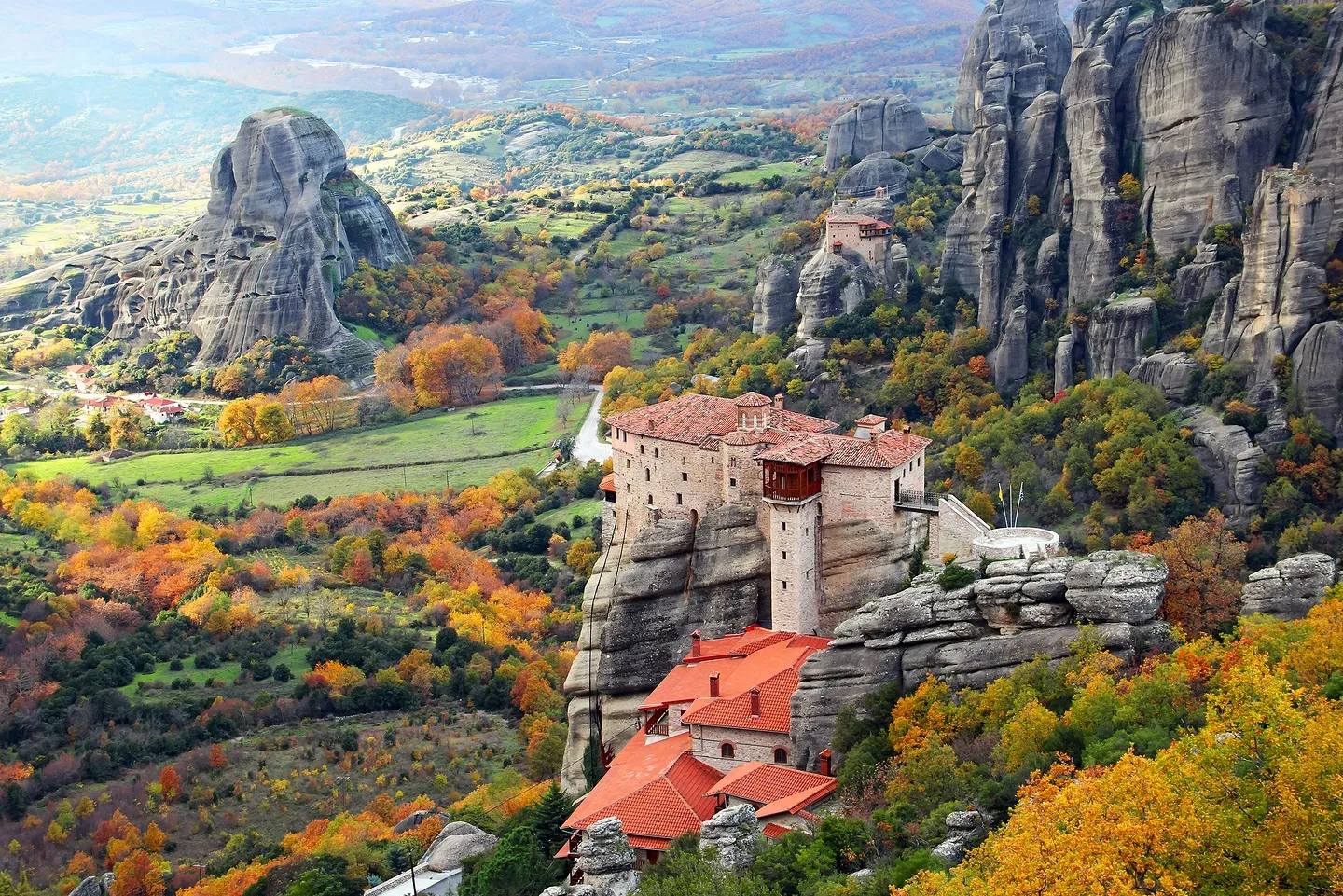
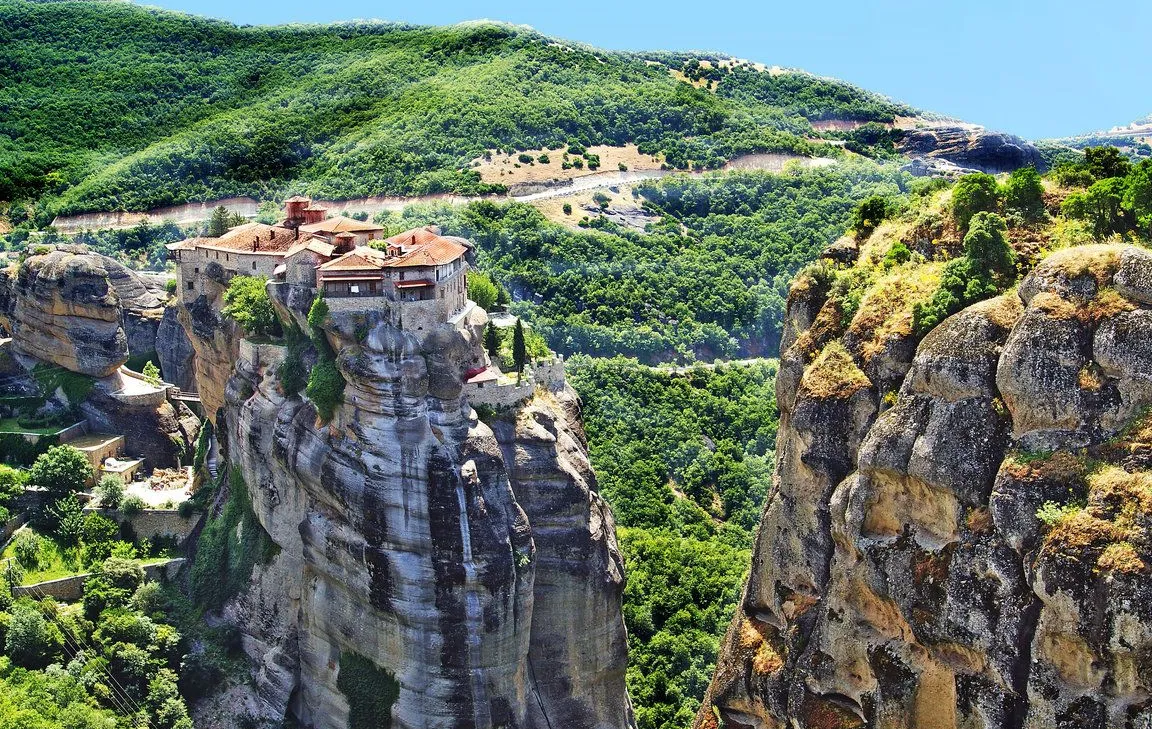
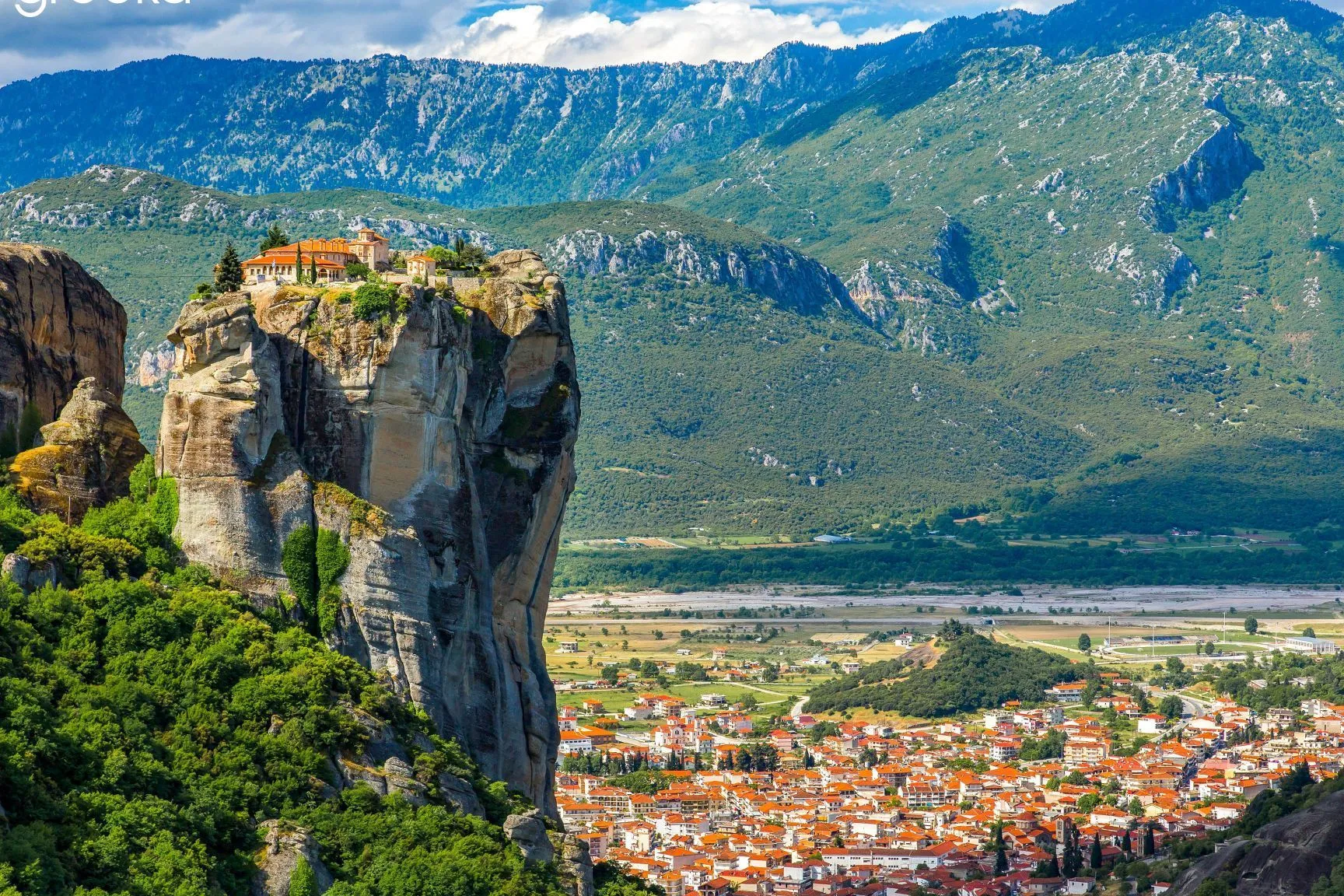
A picturesque Greek village at the foot of Meteora's towering rock formations, rich in history and the gateway to its heavenly monasteries.

✓ What guidebooks don't tell you
✓ Secrets other tourists miss
✓ Listen while you explore
Discover everything
00:00
00:00
Rate this audio guide

📖 Audio Guide Chapters

6 chapters

1. Introduction and History

🔒 Premium Content

Subscribe to access all chapters of this audio guide.

2. Architecture and Design

🔒 Premium Content

Subscribe to access all chapters of this audio guide.

3. Art and Decoration

🔒 Premium Content

Subscribe to access all chapters of this audio guide.

4. Historical Figures

🔒 Premium Content

Subscribe to access all chapters of this audio guide.

5. Curiosities and Legends

🔒 Premium Content

Subscribe to access all chapters of this audio guide.

6. Cultural Importance and Legacy

🔒 Premium Content

Subscribe to access all chapters of this audio guide.

❓ Frequently Asked Questions

What are the opening hours of the Meteora Monasteries and how can I get to them?

The Meteora monasteries have varying schedules and often close one day a week on a rotating basis. They generally open in the morning, around 9:00 a.m., and close in the afternoon, around 5:00-6:00 p.m. It is best to check the specific opening hours of each monastery on the official website or at the local tourist office to plan your visit. You can reach them by taxi, tourist bus, or rental car, and many tours include transportation.

Do I need to pay an entrance fee to visit the Meteora Monasteries, and how much does it cost?

Yes, most monasteries charge a small entrance fee to help with maintenance and conservation. The cost is usually around 3-4 euros per monastery, per person. There are no combined tickets, so you pay at the entrance of each one you wish to visit. Children often have free or reduced admission.

How much time should I plan to visit the Meteora Monasteries and the surrounding area?

We recommend setting aside at least one full day to explore several monasteries and enjoy the views. If you want a more in-depth visit or to include hiking, two days would be ideal. With a well-organized day, you can see 3-4 of the main monasteries and capture spectacular photos.

What is the historical and cultural significance of the Meteora Monasteries?

The Meteora monasteries are a unique achievement of architecture and Orthodox Christian faith, built in the 14th century atop striking rock pillars. They are a UNESCO World Heritage Site and have served for centuries as a spiritual and cultural refuge, preserving valuable frescoes and Byzantine icons. Their isolated location was key to their survival and development.

When is the best time to visit Meteora, both in terms of season and time of day?

Spring, from April to May, and autumn, from September to October, are the best times to visit, with pleasant weather and fewer crowds. As for the time of day, early morning, right when they open, or late afternoon are ideal for avoiding the heat and the busiest times. In addition, sunset from the viewpoints is an unmissable spectacle.

Are the Meteora Monasteries accessible for people with reduced mobility or wheelchairs?

Accessibility in Meteora is limited due to its geography and the age of the buildings. While some monasteries have ramps or partial lifts, many involve climbing stairs and navigating uneven ground. It is recommended to contact each monastery individually or the tourist office by phone at +30 24320 22077 for specific accessibility information for your situation.

Is there anything interesting to see or do near Kalambaka besides the monasteries?

Absolutely. In Kalambaka, you can visit the Natural History Museum of Meteora and Mushroom Museum (meteoramuseum.gr), which is quite unique. You can also explore the charming village of Kastraki, hike through the forests surrounding the rocks, or enjoy local cuisine in the area's taverns. Do not miss Kalambaka's historic center.

What practical tips would you give me to make the most of my visit to Meteora?

I recommend bringing comfortable walking shoes, water, sun protection, and a hat, especially in summer. To visit the monasteries, both men and women must wear clothing that covers the shoulders and knees. Skirts or scarves are often provided at the entrance, but it is better to bring your own. Starting early will let you enjoy the peace and quiet and get the best photos. And of course, do not forget your camera.

¿Prefieres escuchar en español?

🇪🇸 Escucha la audioguía de Kalambaka Village en español