Discover the history and secrets of this place with our audio guide.
Opening hours vary depending on the monastery and the season, but they generally open in the morning and close in the late afternoon. It is important to keep in mind that each monastery has a different weekly closing day. You can reach them by climbing the stairs or by vehicle if you book a tour. I strongly recommend checking the specific timetable for each monastery on the official website before your visit so you can plan your route and avoid surprises: Meteora Monasteries Opening Hours.
Entry to each individual monastery has a symbolic cost of €3 per person. There is no combined pass for all of them, so you will pay at the entrance of each one you wish to visit. Children usually enter free of charge, but it is best to confirm on site. For more detailed information, you can visit the pricing section on their website: Meteora Entry Fees.
For a complete and unhurried experience, it is ideal to devote at least a full day to Meteora, allowing you to visit 3 or 4 monasteries. If you have less time, you could focus on the most accessible ones or those that interest you the most. Many visitors choose to split the visit into two half days if possible, one in the afternoon of the arrival day and another the following morning.
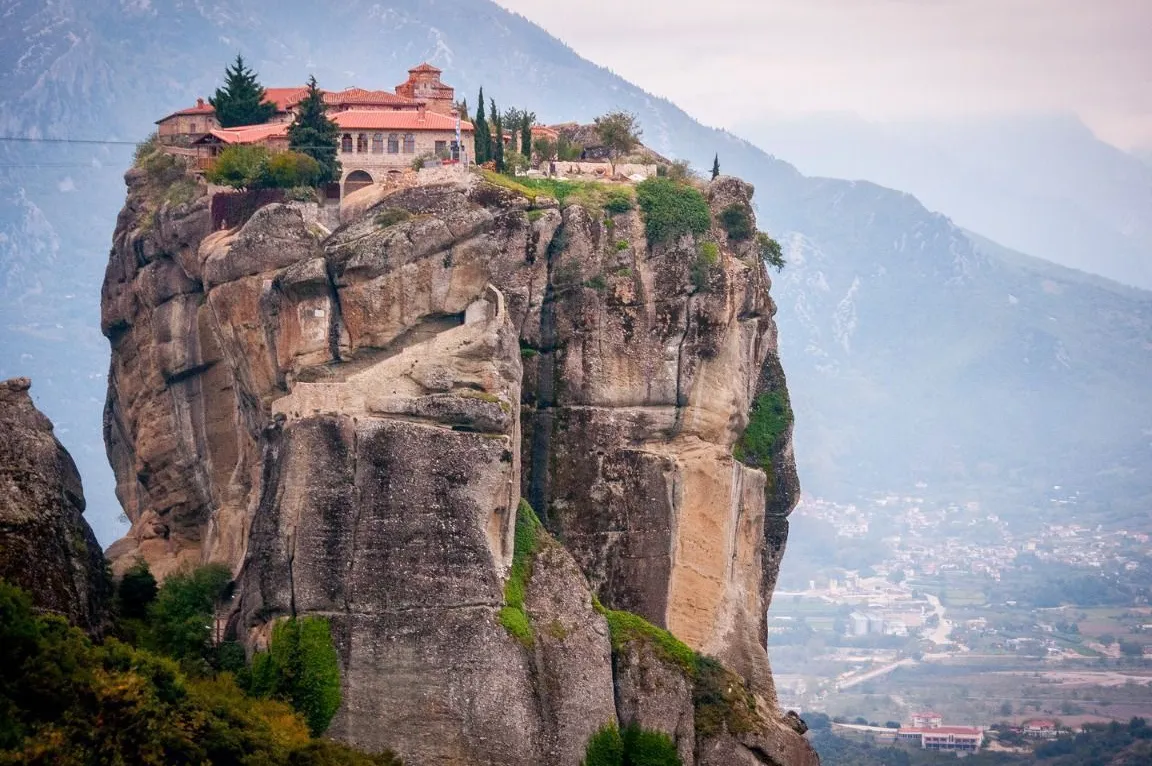
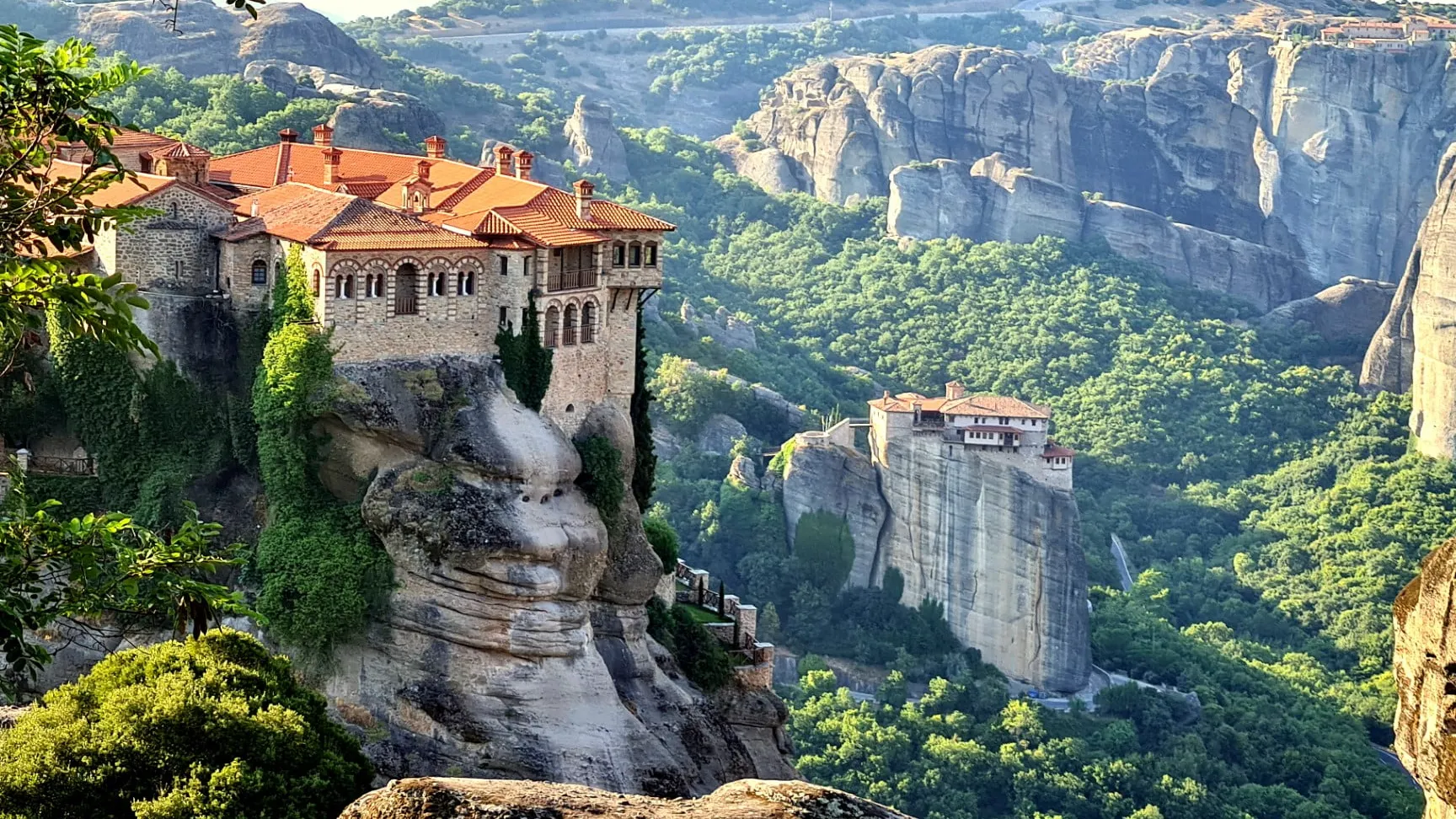
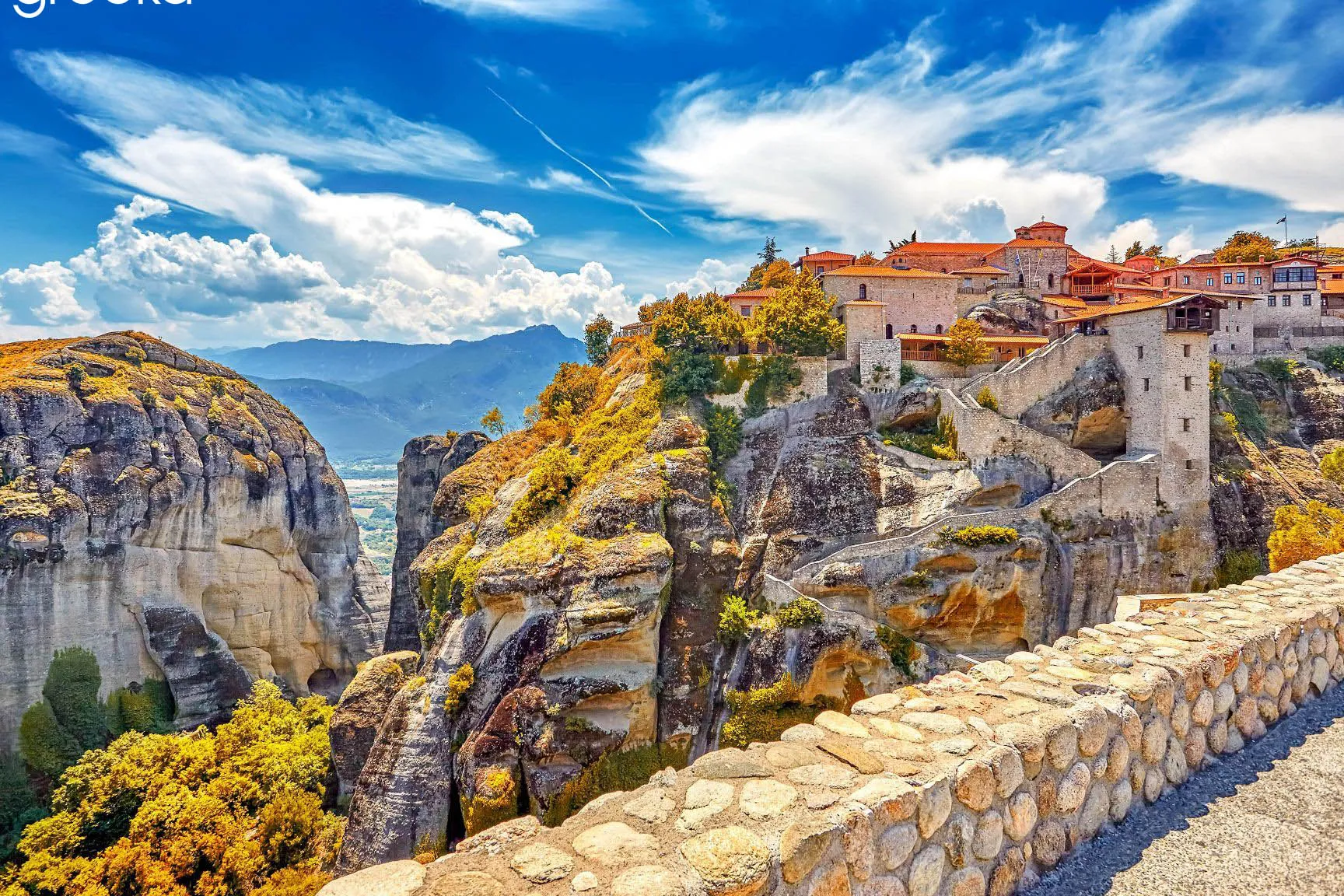
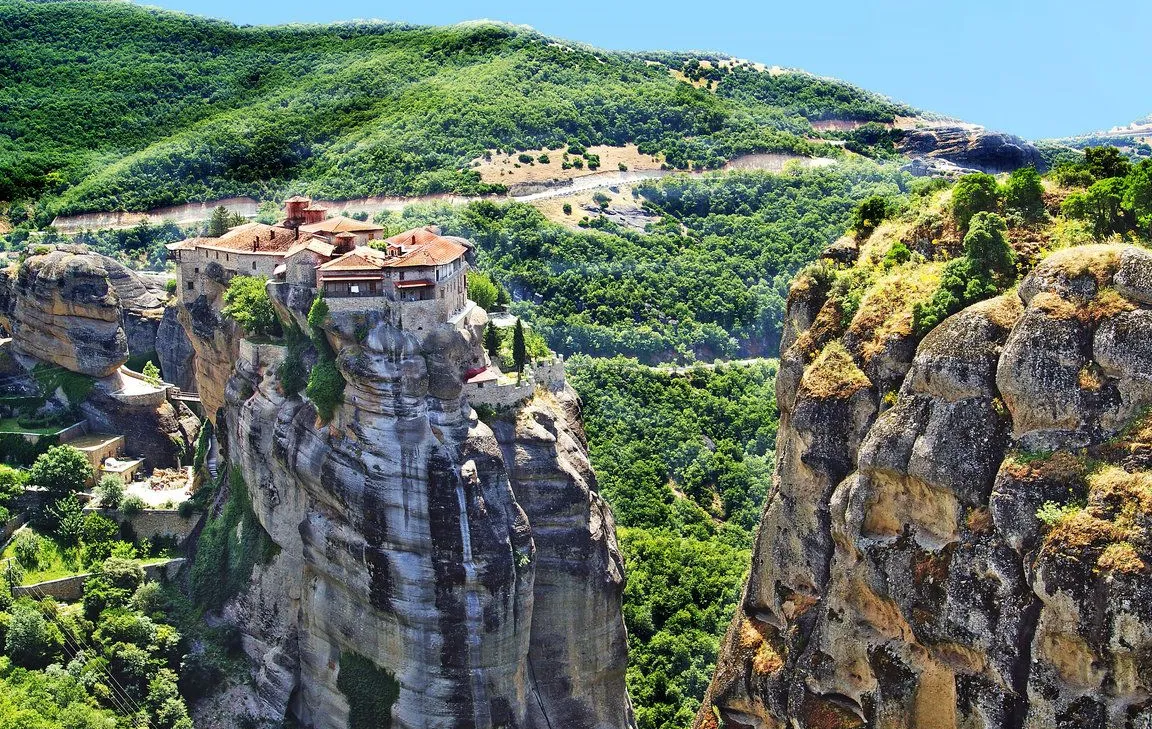
The monasteries were built on these imposing rock formations from the 14th century onward by hermit monks seeking isolation and protection from Ottoman invasions. They are an impressive example of Byzantine architecture and deep Orthodox faith, symbolizing the connection between the earthly and the divine through their location, almost 'suspended in the air.' Building them in such an inaccessible place was both a demonstration of devotion and a safe refuge for monastic life.
The best time to visit is during spring (April-May) or autumn (September-October), when the weather is pleasant and the crowds are smaller. Avoid summer if you do not like heat and large tour groups. As for the time of day, the first hour in the morning (right at opening) or the late afternoon (before closing) are usually the quietest and offer spectacular light for photographs, especially at sunset.
Unfortunately, accessibility for people with reduced mobility is quite limited due to the rocky terrain and the large number of stairs. Only St. Stephen's Monastery is accessible by car and has an almost flat walkway, making it the only viable option for wheelchairs. For the rest of the monasteries, climbing many steps is required.
In Kalabaka, do not miss the Natural History Museum of Meteora and Mushroom Museum, a very original attraction. You can also explore the village of Kastraki, picturesque and full of traditional taverns. If you enjoy hiking, there are trails around the rocks with unique panoramic views. The area also offers wine routes and local gastronomic experiences. For more ideas, you can check local guides or ask at your accommodation.
Of course, here are a few: wear comfortable, non-slip footwear, as there are many stairs; bring water and sun protection, especially in summer. To visit the monasteries, both men and women must dress modestly (shoulders and knees covered); skirts or shawls are usually provided at the entrance if needed. Consider an audio guide like ours from IAudioguia to enrich your visit with the history and details of each place. Finally, be respectful of the surroundings and monastic life.
¿Prefieres escuchar en español?
🇪🇸 Escucha la audioguía de Meteora Monasteries: A Spiritual Guide en español