Donde emperadores descalzos soñaron con resucitar Roma y monjas rebeldes escondieron vino en fuentes bautismales
Mystras, the impressive Byzantine city of the Peloponnese, has opening hours that vary by season. It generally opens between 8:00 AM and 9:00 AM and closes around 3:00 PM or 5:00 PM, although in summer it may stay open until 8:00 PM. You can get there by car from Sparta, just 7 km away, or by local bus. If you decide to go on your own, there is ample parking available. For more precise and up-to-date information, I recommend checking the official page of the Mystras archaeological site: Mystras Archaeological Site.
Entry to the Mystras archaeological site requires a ticket. The price is 12 euros per adult, although there are reduced rates for students and seniors, and admission is free for children under 18. I recommend buying tickets in advance if possible, especially in high season or if you want to avoid long lines. You can find more details about prices and possible discounts online.
To explore Mystras thoroughly, including the castle, the palaces, the churches, and the monasteries, I recommend setting aside at least 3 to 4 hours. If you are a history or photography enthusiast, you could easily spend half a day or even more. It is a large site with a lot to see, so take your time and enjoy every corner.
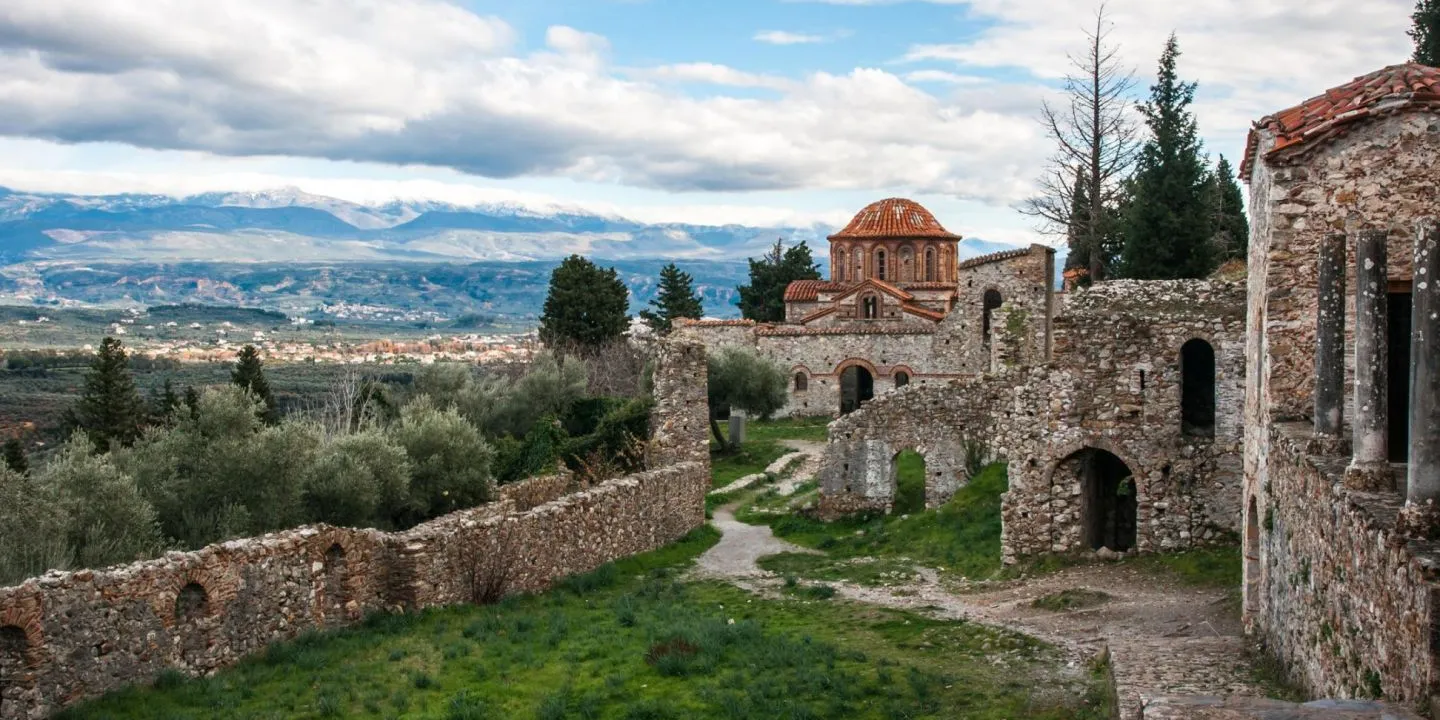
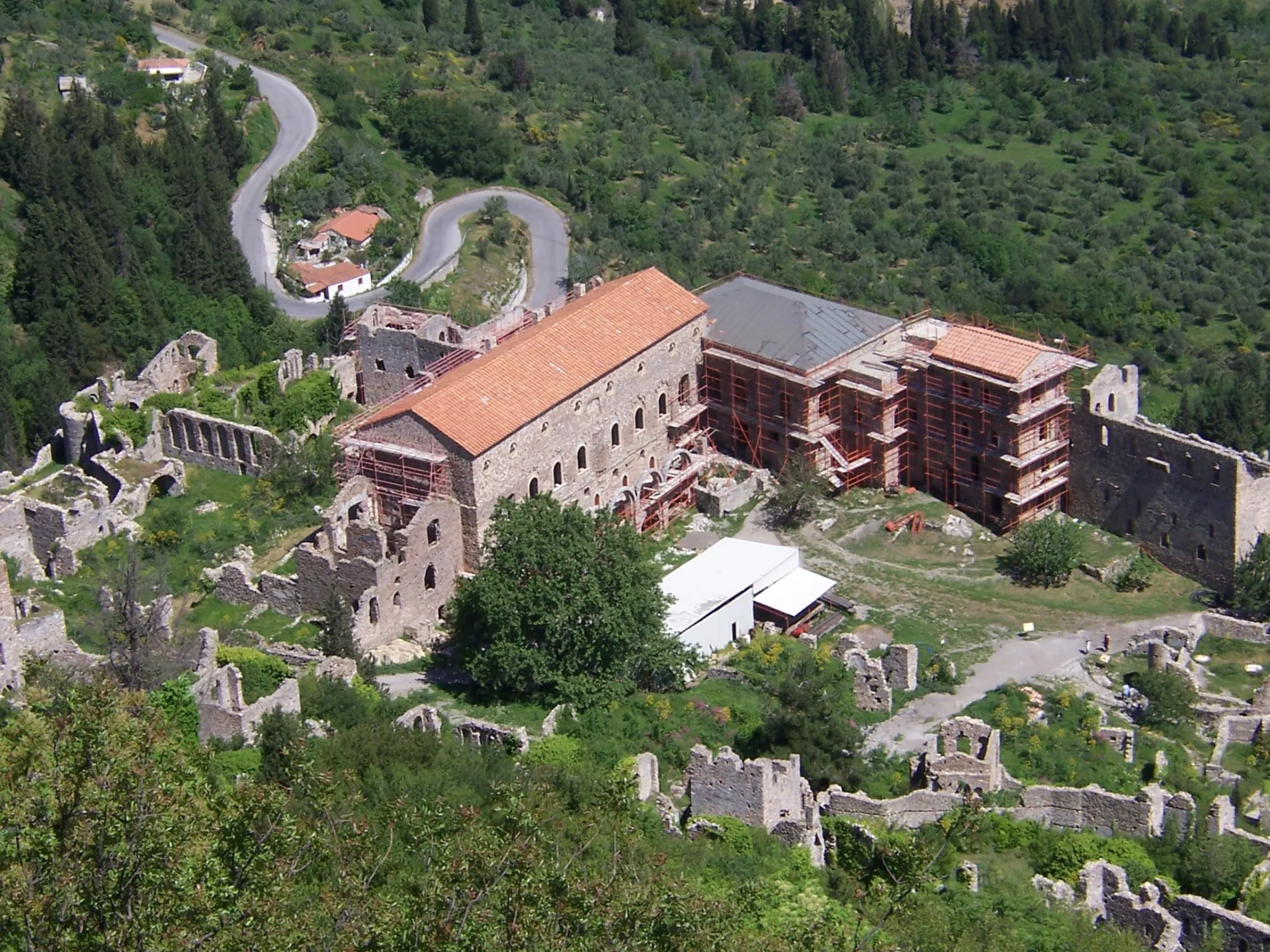
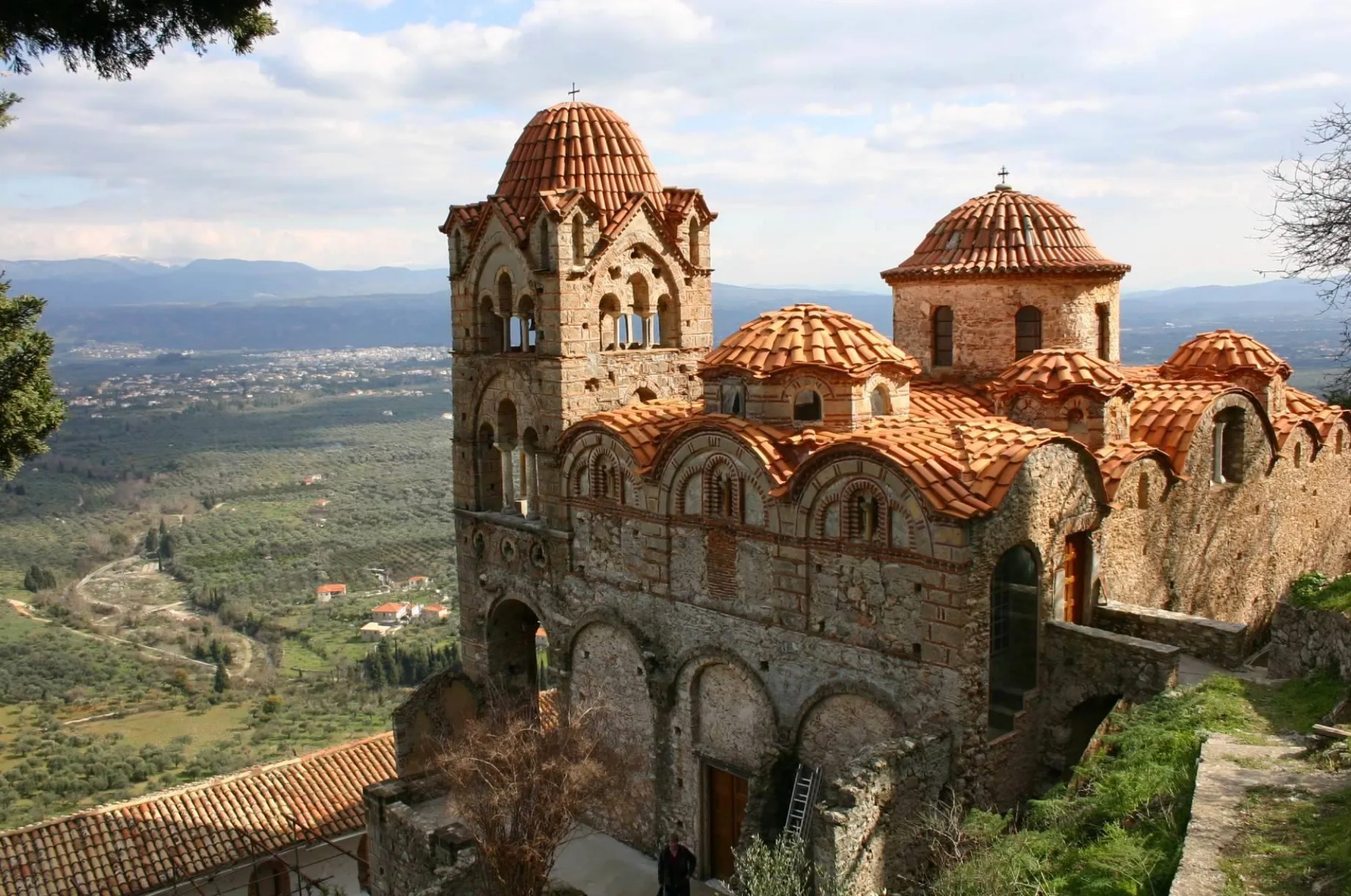
Mystras was a fortified Byzantine city of great importance, becoming the second city of the Byzantine Empire after Constantinople. It was a vital cultural and political center in the Morea, with architecture and frescoes that reflect the richness of late Byzantine art. Its decline with the arrival of the Ottomans and its later abandonment have made it an exceptional testament to a lost civilization, declared a UNESCO World Heritage Site.
The best time to visit Mystras is during spring (April-May) or autumn (September-October), when the weather is milder and there are fewer tourists. In summer, temperatures can be very high. If you visit during the warm season, I recommend going early in the morning to avoid intense heat and crowds, or late in the afternoon to enjoy spectacular light.
Due to its historic nature and its location on a hillside, Mystras presents accessibility challenges. The terrain is uneven, with cobbled paths, stairs, and slopes. Some areas are more accessible than others, but wheelchair access is limited. Caution is recommended and, if possible, it is best to bring a companion. You can contact the archaeological site directly for detailed information about alternative routes or special assistance: Phone: +30 27310 83377.
Very close to Mystras is the modern city of Sparta, with its interesting Archaeological Museum and the monument to King Leonidas. You can also visit the Museum of the Olive and Greek Olive Oil in Sparta, which offers a fascinating look at the history of olive oil in the region. If you have more time, the Mani region, with its historic villages and dramatic landscapes, is not far away and is well worth exploring.
Of course! Wear comfortable, sturdy shoes, as you will do a lot of walking on uneven terrain. Do not forget water, sunscreen, and a hat, especially in the warmer months, as there is little shade. Also, downloading our audio guide from IAudioguide before your visit will let you explore at your own pace and discover the fascinating history of Mystras: IAudioguia.com. It will help you not miss any detail and enjoy this Byzantine gem even more!
¿Prefieres escuchar en español?
🇪🇸 Escucha la audioguía de Mistras, the Ghost Byzantium en español