No te vayas sin conocer la historia Suscribete
IAudioGuia iaudioguia
Audio Guides of Olympia

Audio Guide of History of the Ancient Olympic Games Museum

Donde los laureles se manchaban de sudor, trampas y algún que otro escándalo divino.

✓ What guidebooks don't tell you
✓ Secrets other tourists miss
✓ Listen while you explore
Discover everything
00:00
00:00

📖 Audio Guide Chapters

6 chapters

1. The machine of Olympic sins

🔒 Premium Content

Subscribe to access all chapters of this audio guide.

2. A king's architectural selfie

🔒 Premium Content

Subscribe to access all chapters of this audio guide.

3. Cynisca and the day Apollo got angry

🔒 Premium Content

Subscribe to access all chapters of this audio guide.

4. The Olympic rulebook you would never read

🔒 Premium Content

Subscribe to access all chapters of this audio guide.

5. The finish line where people peed with fear

🔒 Premium Content

Subscribe to access all chapters of this audio guide.

6. The most beautiful lie in the world

🔒 Premium Content

Subscribe to access all chapters of this audio guide.

❓ Frequently Asked Questions

What are the opening hours of the History of the Olympic Games Museum, and how can I get there?

The museum's opening hours vary by season, but it generally opens from 8:00 to 20:00 in summer and from 8:30 to 15:30 in winter. To get there, it is conveniently located within the archaeological site of Olympia. I recommend checking the latest hours on the official website of the Greek Ministry of Culture and Sports before your visit: Ministry of Culture and Sports.

Do I have to pay to enter the museum, or is it free? Is there a combined ticket?

Yes, admission to the museum is not free. There is generally a combined ticket that includes both the archaeological site of Olympia and the museum, which is highly recommended. I suggest checking prices and possible discounts for students or seniors directly at the ticket office or on the official website: Olympia Tickets.

How much time is recommended to properly visit the History of the Ancient Olympic Games Museum?

To fully enjoy the museum and appreciate all its exhibits, I suggest allowing at least 1.5 to 2 hours. If you like reading the descriptions in detail and closely observing the artifacts, you may need a bit more time. Keep in mind this is only for the museum, not including the adjacent archaeological site.

What makes this museum so special? Why is it so important to the history of the Olympic Games?

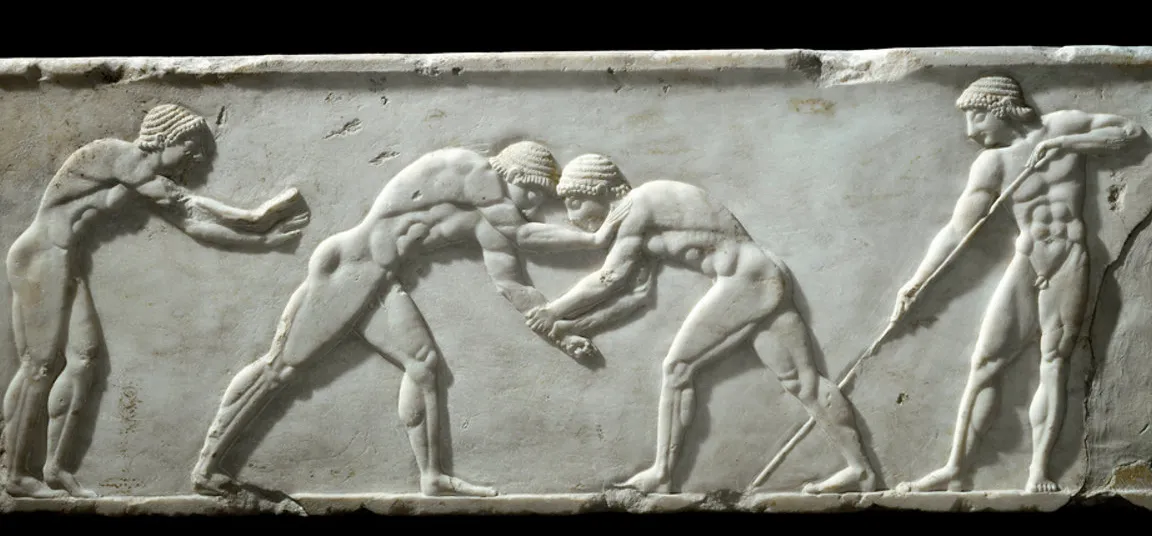
This museum is extraordinarily special because it stands where the Olympic Games were born. It houses a rich collection of artifacts found at the archaeological site of Olympia, illustrating the history, evolution, and significance of the Games in Antiquity, allowing you to connect directly with their origins. It is an invaluable source for understanding the cultural and religious importance of the games.

What is the best time of year or day to visit the museum and avoid the crowds?

The best time to visit the museum and the archaeological site is during spring (April-May) or autumn (September-October), when the weather is more pleasant and visitor numbers are lower. If you visit in summer, I suggest going early in the morning just after opening or late in the afternoon to avoid the heat and the largest tour groups. Avoid midday in summer if you can.

Is the History of the Olympic Games Museum accessible for people with reduced mobility or wheelchair users?

Yes, the museum, like much of the modern archaeological site, is designed to be accessible. It has ramps and facilities for people with reduced mobility. However, for peace of mind, it is always a good idea to contact the museum directly before your visit to confirm any specific needs or accessibility details: +30 26240 22517.

Besides the museum, what other interesting things are there to see nearby in Olympia?

Lots of things! Right next to the museum is the impressive Archaeological Site of Olympia, where you can explore the ruins of the Ancient Stadium, the Temple of Zeus, the Temple of Hera, and the Palaestra. Very close by is also the Archaeological Museum of Olympia, which complements the Olympic museum's collection with even older finds. Both are essential for a complete immersion in Olympia's history.

Any practical tips to make the most of my visit to the museum and the site?

Of course—here are some tips: wear comfortable shoes because you will be walking quite a bit, especially at the archaeological site. Dress in layers to adapt to temperature changes, and do not forget to bring water, especially in warmer months. Consider booking an audio guide or a guided tour (IAudioguia) to enrich your experience with detailed explanations. And of course, have your camera ready to capture history!

¿Prefieres escuchar en español?

🇪🇸 Escucha la audioguía de History of the Ancient Olympic Games Museum en español