Discover the history and secrets of this place with our audio guide.
The museum is usually open from Tuesday to Sunday, generally from 9:00 AM to 4:00 PM, and closed on Mondays. I suggest always checking the latest opening hours on its official website before your trip to avoid surprises.
There is a symbolic entrance fee, usually around 3 euros for general admission and 1.50 euros for students and small groups. This small cost helps support the maintenance of this important historic site.
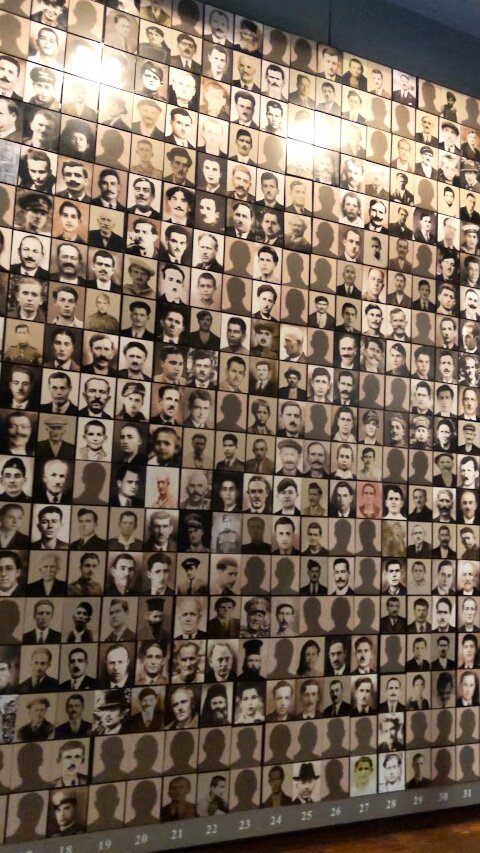
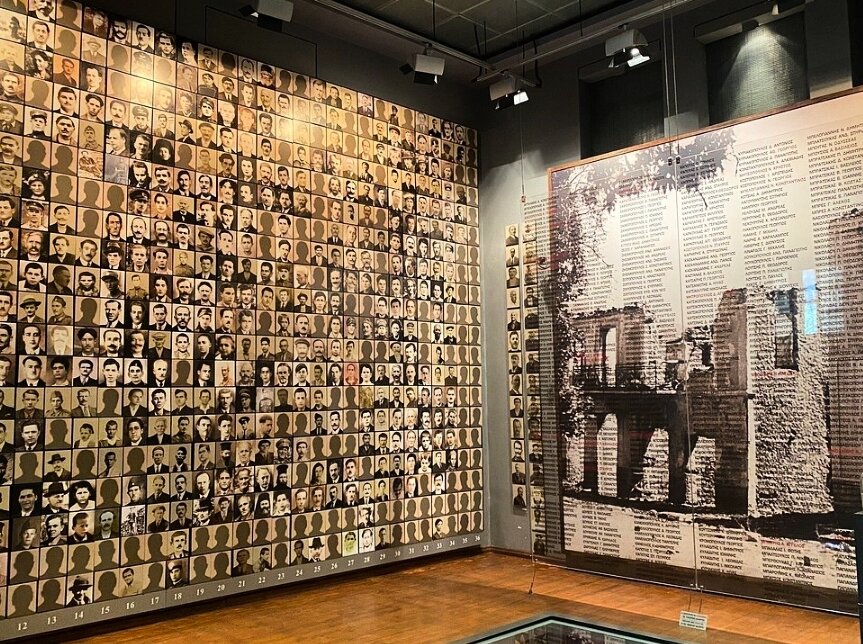
A full and thoughtful visit usually takes between 45 and 60 minutes. Given the emotional weight and the number of photographic exhibits and personal belongings, you will want to take your time to process the history.
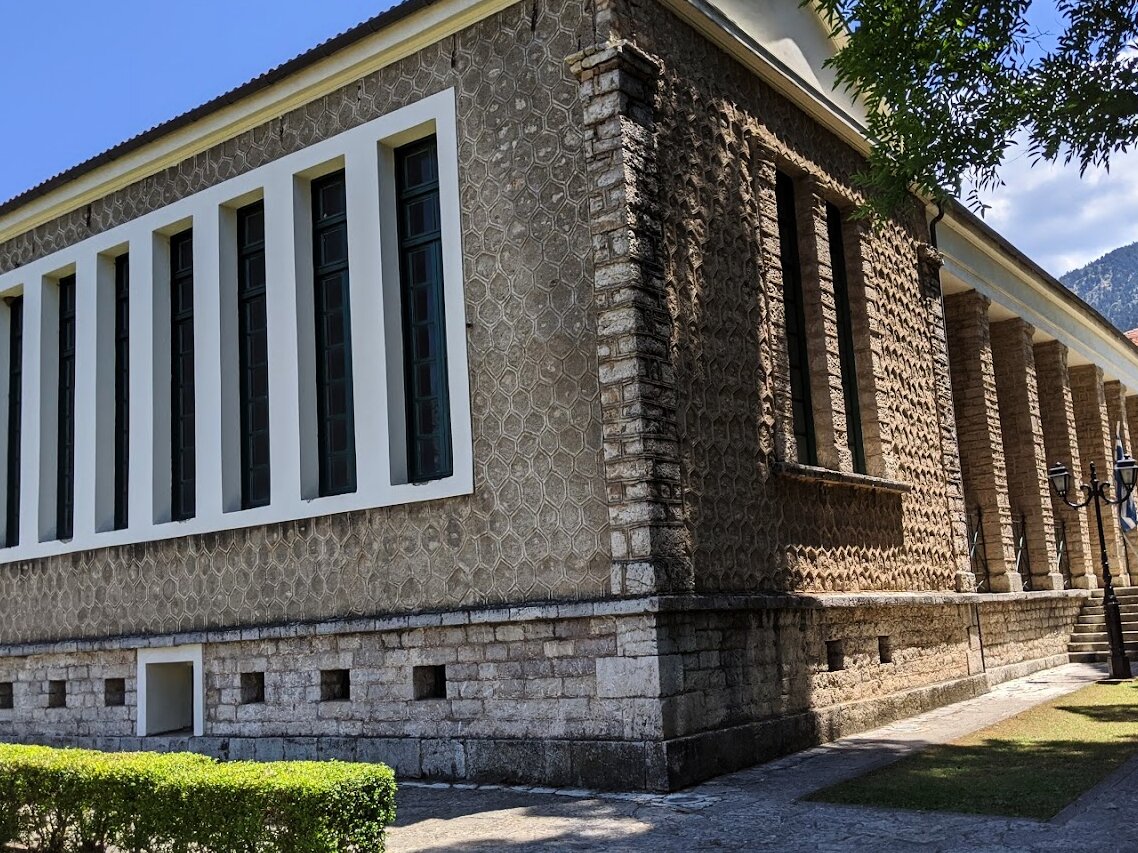
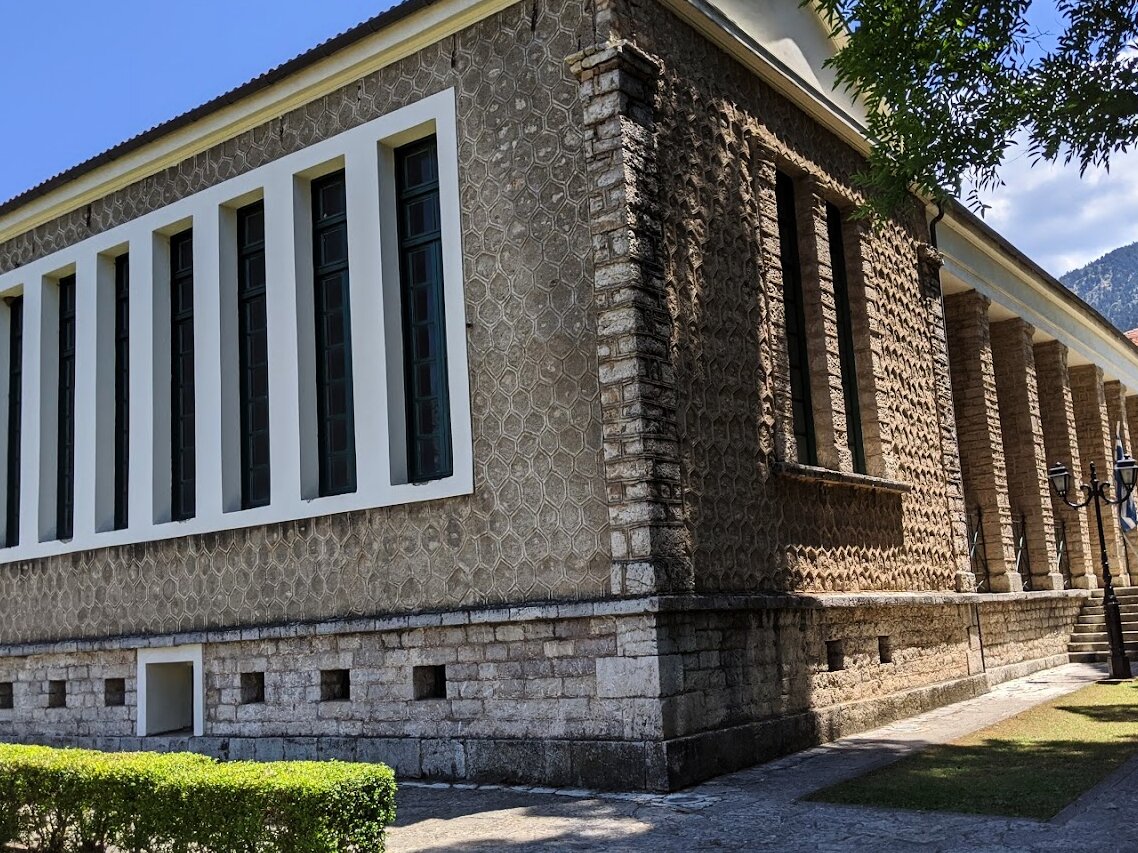
This building was the primary school where, on December 13, 1943, Nazi troops separated families before executing nearly the entire male population. It stands as a living memorial to the Kalavryta Holocaust and its martyrs.
It is recommended to visit early in the morning (9:00–10:00 AM) to avoid crowds and preserve the atmosphere of respect and silence. As for the season, spring and autumn offer the ideal weather to combine your visit with a walk to the nearby Place of Sacrifice.
The building has been adapted to be accessible for the most part, with ramps at the main entrance. However, as it is a historic building, it is advisable to call ahead at +30 26920 22361 if you have specific access needs.
It is essential to walk about 500 meters to the ‘Place of Sacrifice’ on Kapi Hill, where the executions took place. I also recommend the Odontotos Rack Railway, which offers spectacular views of the region.
Wear comfortable shoes, as the path to the sacrifice hill is steep, and prepare yourself emotionally for an intense visit. Also, consider downloading an audio guide or reading about ‘Operation Kalavryta’ beforehand to understand the full context.
¿Prefieres escuchar en español?
🇪🇸 Escucha la audioguía de the Kalavryta Holocaust Museum en español