Discover the history and secrets of this place with our audio guide.
The Temple of Demeter, located near the village of Sangri, is usually open from 8:30 AM to 3:00 PM, but we recommend checking the exact hours on the official website of the Greek Ministry of Culture and Sports or with its local office when you arrive on Naxos. To get there, you can take a local bus from Chora (Naxos Town) to Sangri and then walk, or rent a car for greater flexibility. It is a rural site but well signposted. Here is a link for more information on how to get there: How to get to the Temple of Demeter.
Yes, the Temple of Demeter has a small entrance fee that contributes to the preservation of the site. The price is usually very affordable, around €4, and often includes access to the small adjacent museum. It is a minimal investment for a fascinating journey into Naxos's past.
To fully enjoy the Temple of Demeter and its adjacent museum, I recommend allowing between 1 and 1.5 hours. The site is not very large, but you will want time to appreciate the ruins, read the information panels, and explore the archaeological exhibits in the museum, which provide excellent context for the place.
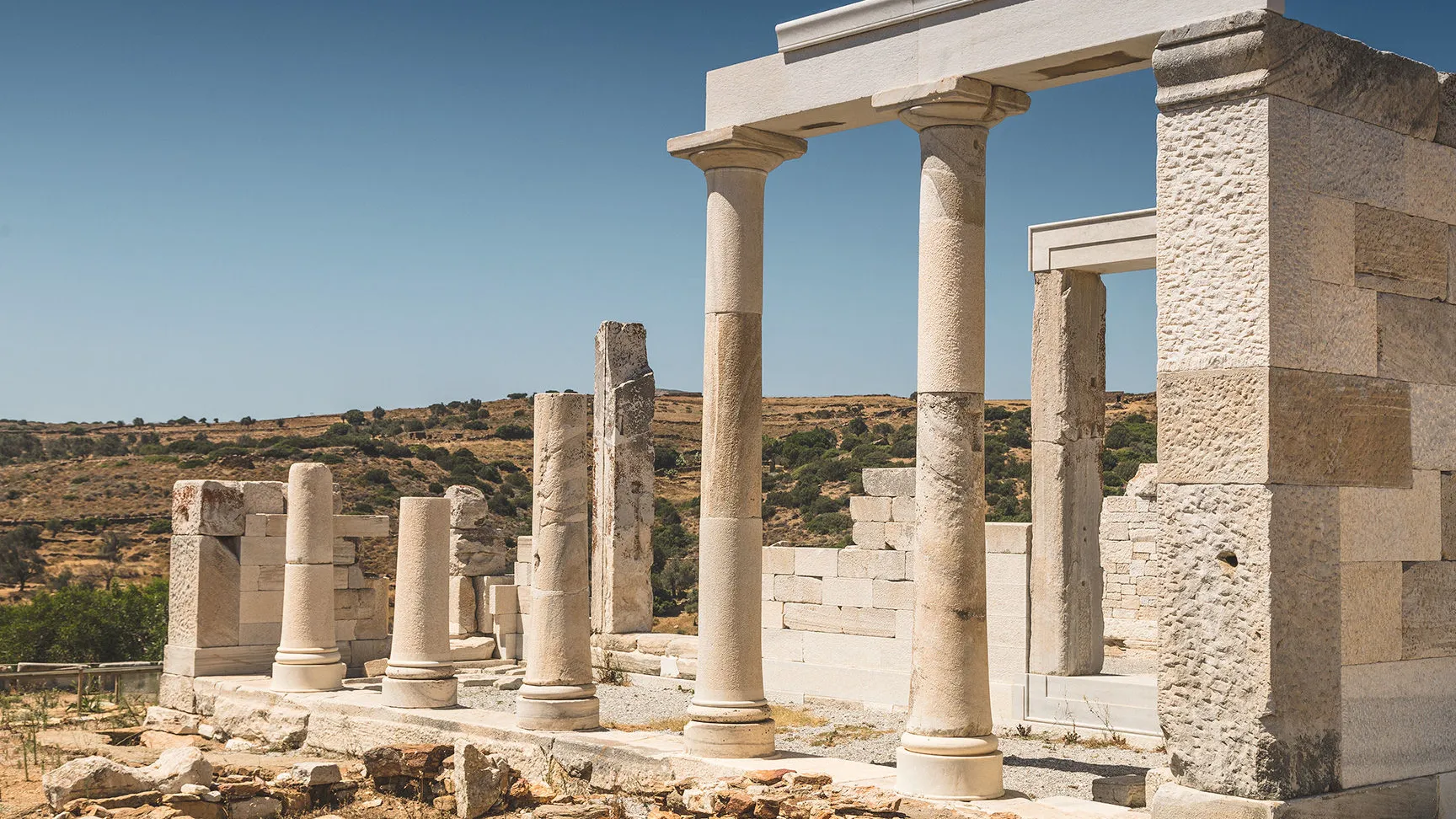
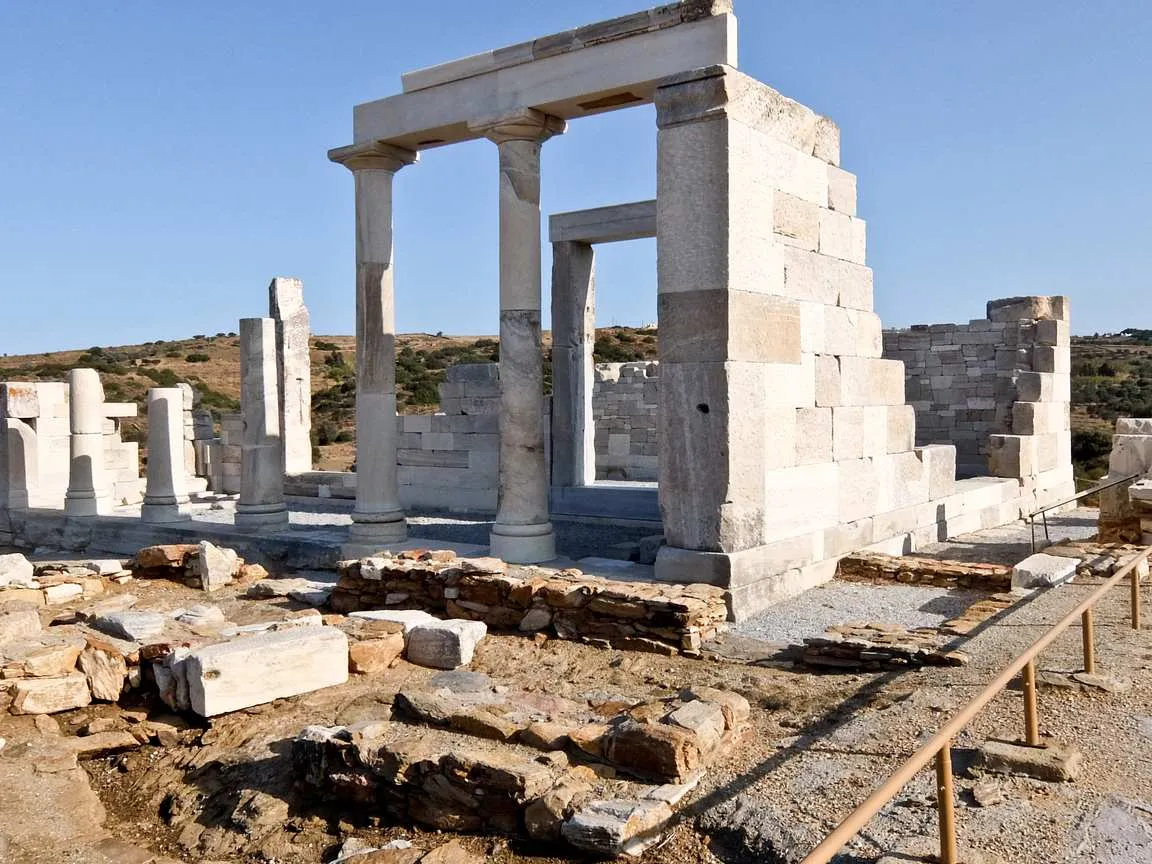
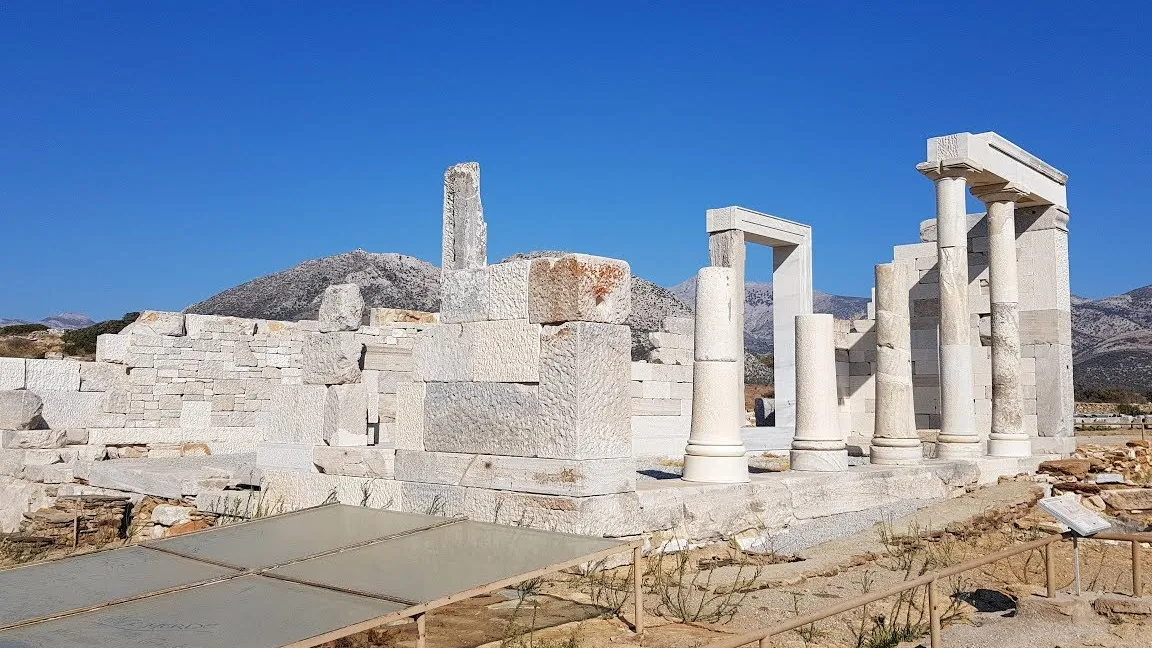
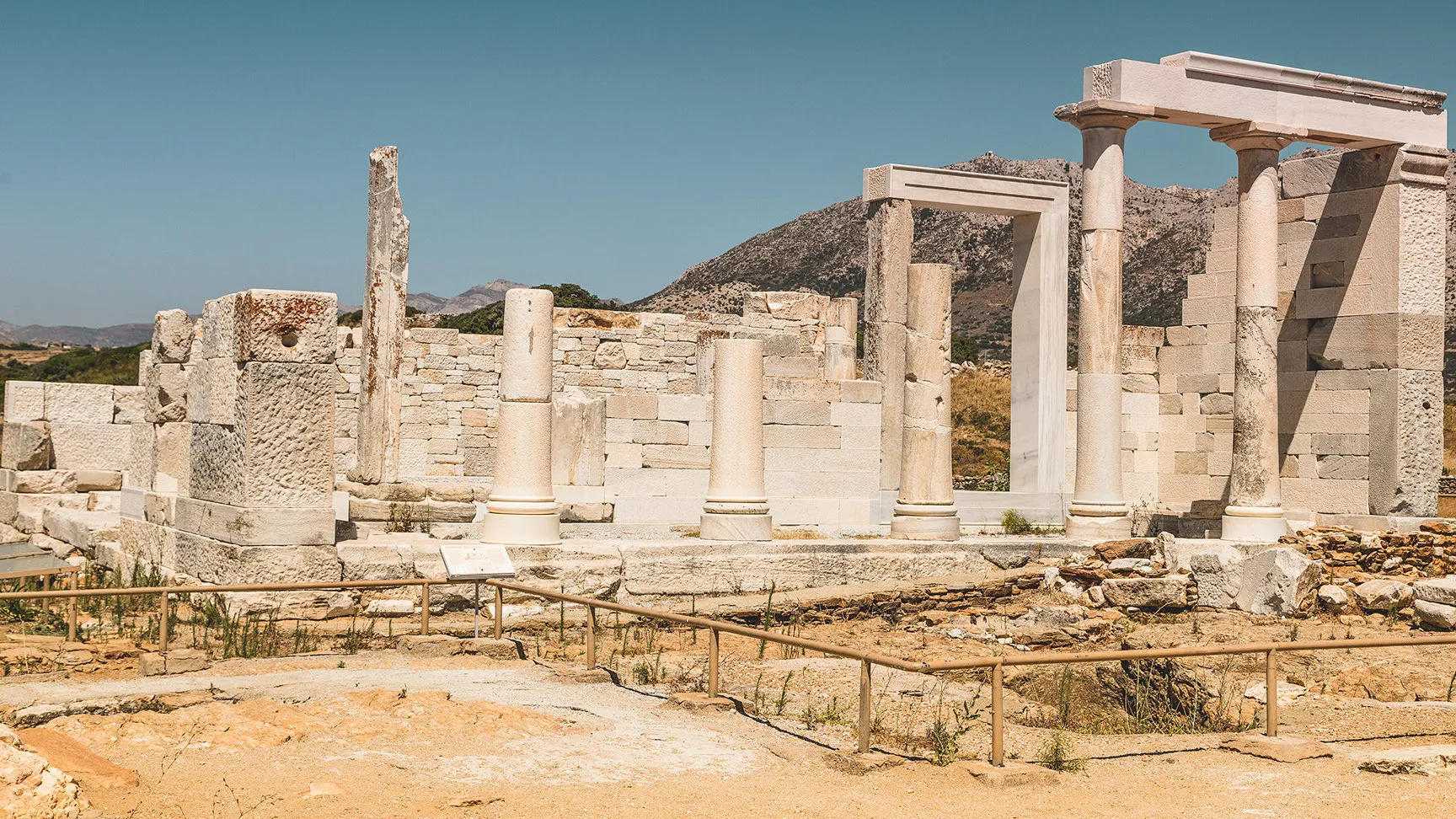
The Temple of Demeter was an important sanctuary dedicated to Demeter, the goddess of agriculture and fertility, and to her daughter Persephone. Built around 530 BC, it represents one of the oldest and most significant temples of ancient Greece, showcasing notable early Ionic architecture and serving as a key center for the 'Mysteries of Demeter' on Naxos. Its partial restoration allows visitors to appreciate the scale of its past.
The best time to visit the Temple of Demeter is during spring (April-May) or early autumn (September-October), when the weather is pleasant and there are fewer crowds. If you can only go in summer, I advise visiting early in the morning or late in the afternoon to avoid the intense heat, as the site is outdoors with little shade. The evening light also offers spectacular photographs.
As an open-air archaeological site on natural terrain, the Temple of Demeter has certain accessibility limitations. Although some areas may be manageable with assistance, the uneven ground and gravel paths can make access difficult for wheelchairs or people with very limited mobility. I suggest contacting the site directly (+30 22850 32525) for updated information on available facilities.
Yes, the area around the Temple of Demeter offers authentic experiences. You can explore the picturesque village of Sangri, known for its traditional Cycladic architecture. In addition, the rural area of Naxos is perfect for hiking and discovering small Byzantine churches. Not far away, you can also visit the Archaeological Museum of Naxos in Chora to complement your visit to the temple.
For the best visit, I recommend bringing comfortable footwear, sun protection (a hat and sunscreen), and water, especially during the summer months, as the site is outdoors. Consider visiting the adjacent museum before or after seeing the ruins, as its exhibits will enrich your understanding of the place. And if you enjoy photography, do not forget a good lens to capture the beauty of the landscape and the temple ruins.
¿Prefieres escuchar en español?
🇪🇸 Escucha la audioguía de Temple of Demeter on Naxos en español