No te vayas sin conocer la historia Suscribete
IAudioGuia iaudioguia
Audio Guides of Amorgos

Audio Guide of Kato Meria

¿Sabías que estos molinos silenciosos vigilaron piratas y enamoraron a caminantes solitarios en Amorgos?

✓ What guidebooks don't tell you
✓ Secrets other tourists miss
✓ Listen while you explore
Discover everything
00:00
00:00
Rate this audio guide

📖 Audio Guide Chapters

6 chapters

1. The Windmills That Defied the Pirates

🔒 Premium Content

Subscribe to access all chapters of this audio guide.

2. Stones That Whisper of Endless Storms

🔒 Premium Content

Subscribe to access all chapters of this audio guide.

3. Rivalries That Spun More Than the Sails

🔒 Premium Content

Subscribe to access all chapters of this audio guide.

4. The Absurdity No Guidebook Mentions

🔒 Premium Content

Subscribe to access all chapters of this audio guide.

5. Marks the Wind Did Not Erase

🔒 Premium Content

Subscribe to access all chapters of this audio guide.

6. The Echo You Carry in Your Soul

🔒 Premium Content

Subscribe to access all chapters of this audio guide.

❓ Frequently Asked Questions

When is Kato Meria open and how can I get there from Chora?

Kato Meria is a rural area open year-round, with no fixed hours, so you can visit at any time of day. To get there, take a local bus from Chora to Katapola and then a taxi or walk along the trails; the journey takes about 30–45 minutes. Check the official Amorgos tourism website at amorgos.gr for updated transport schedules.

How much does it cost to enter Kato Meria, or is there an admission fee?

Visiting Kato Meria is completely free, as it is a natural and rural landscape open to the public. You do not need tickets or pay for access, although you may incur transport costs or optional guide fees. For more details about Amorgos, visit Visit Greece.

How much time is needed to visit Kato Meria?

It is recommended to spend at least 2–3 hours exploring the trails, churches, and typical landscapes of Kato Meria. If you take a longer hike, it could extend to half a day. Plan according to your pace so you can enjoy it without rushing.

What is the history or cultural importance of Kato Meria on Amorgos?

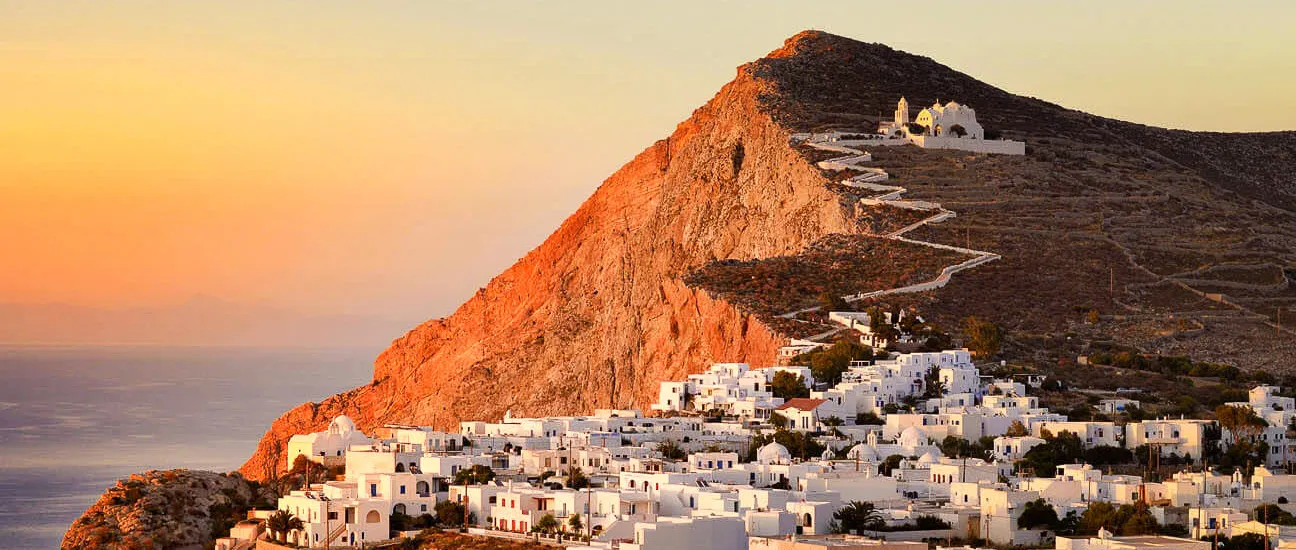
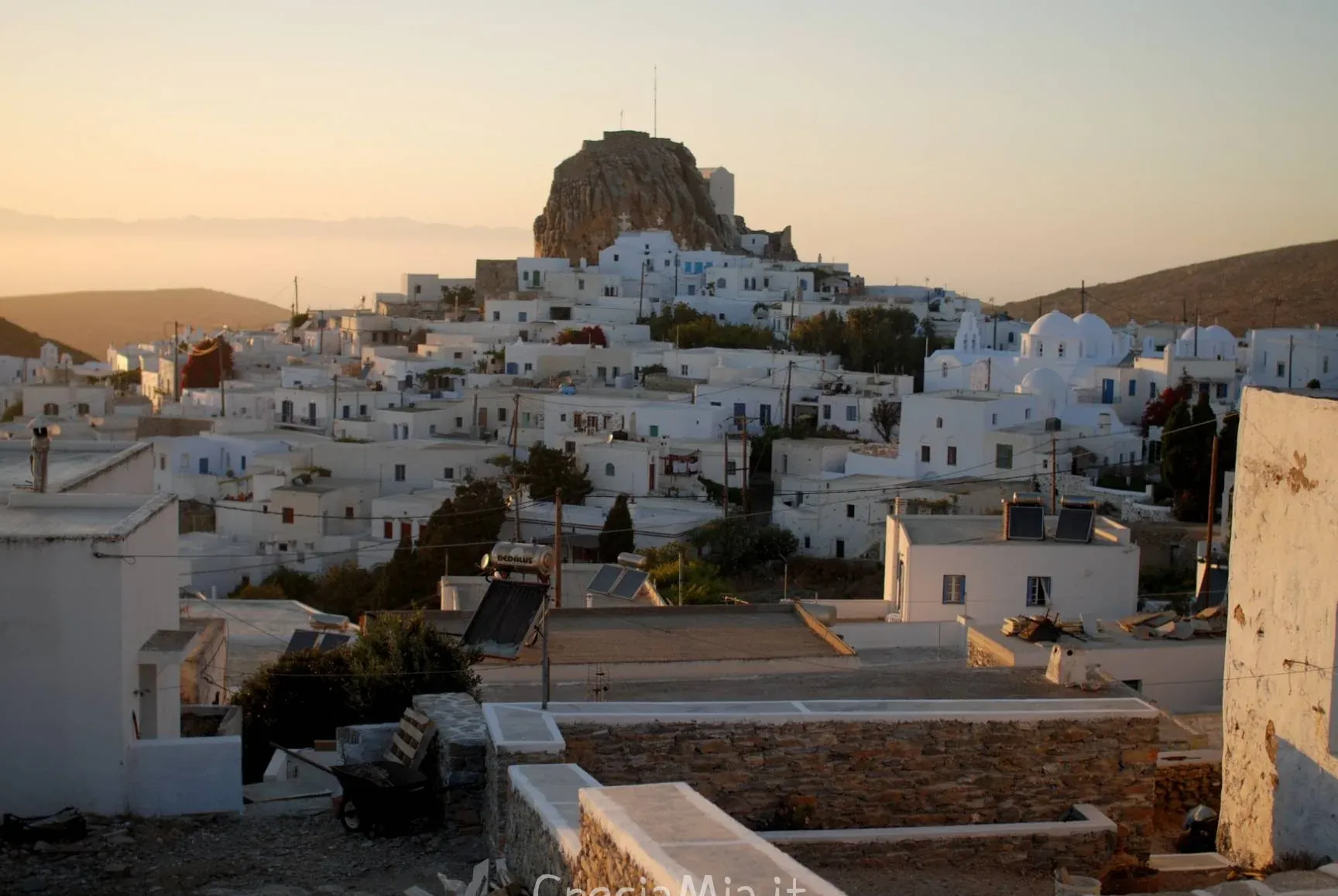
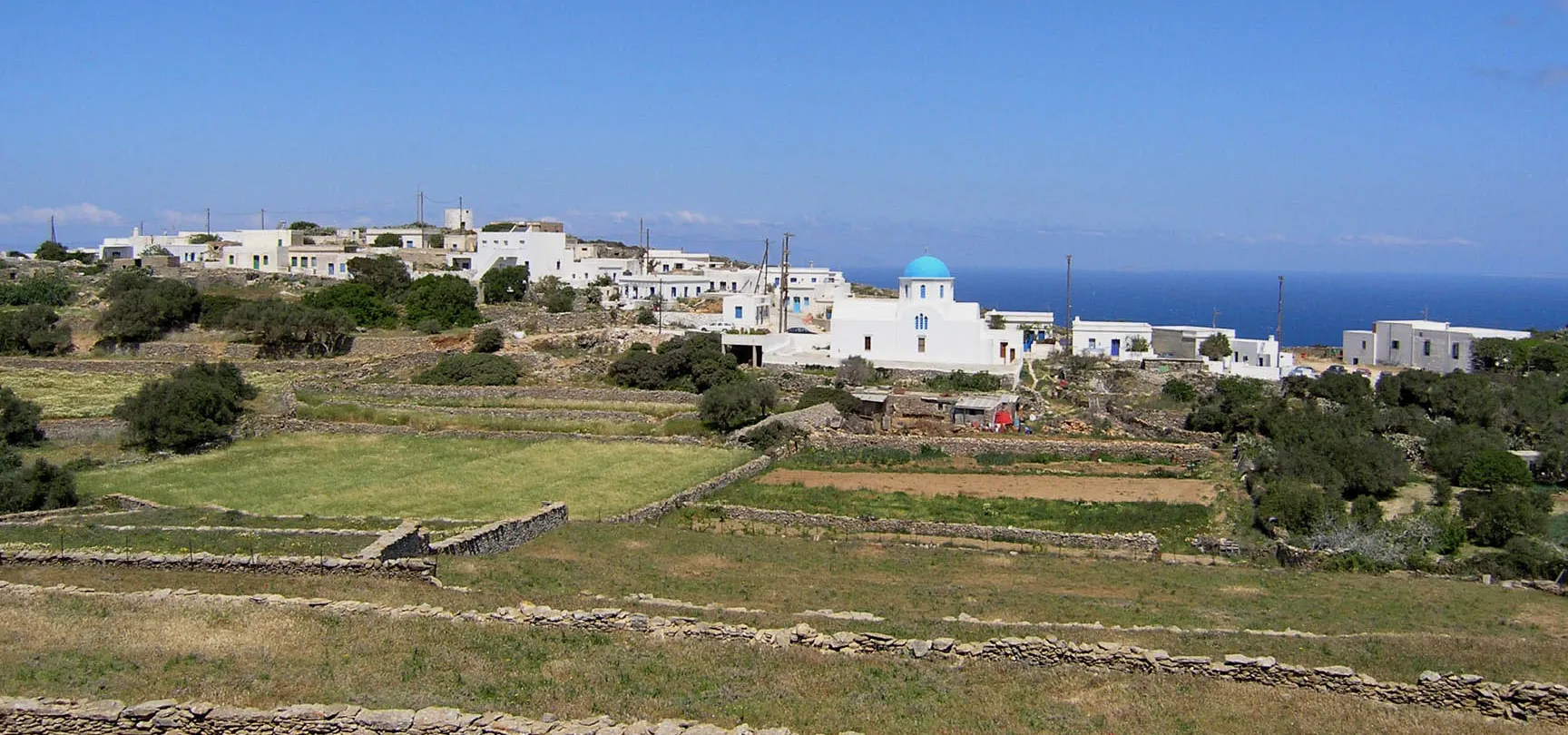
Kato Meria represents the traditional rural life of Amorgos, with stone houses, old mills, and small chapels dating from the Byzantine and Ottoman eras, highlighting the island’s agricultural and religious heritage. It is a living example of Cycladic architecture and a preserved island way of life. To learn more, see resources at Amorgos History.

What is the best time of year or day to visit Kato Meria?

Spring (May–June) or autumn (September–October) are ideal for avoiding the intense summer heat and enjoying pleasant temperatures. Sunrise or sunset is perfect for seeing the landscapes in soft light and with fewer crowds. Avoid midday in summer because of the strong sun.

Is Kato Meria accessible for people with reduced mobility?

Kato Meria has uneven trails and cobbled paths, so it is not very accessible for wheelchairs or people with reduced mobility; it is recommended only for those who can walk moderately well. If you need alternatives, contact local adapted taxi services on Amorgos at +30 22850 71224. More information at Accessibility in Greece.

What other attractions are near Kato Meria?

Near Kato Meria, you can visit Agios Pavlos Beach, about a 20-minute walk away, or the Monastery of Hozoviotissa on the eastern side of the island. You can also explore the village of Katapola with its harbor and ancient ruins. Use the Amorgos Map to plan routes.

What are some practical tips for my visit to Kato Meria?

Bring comfortable walking shoes, plenty of water, and sunscreen, as the trails can be dry and exposed. Consider a local guide to learn about the flora and fauna; book at Amorgos Tours. Respect the natural environment by not leaving any litter behind.

¿Prefieres escuchar en español?

🇪🇸 Escucha la audioguía de Kato Meria en español