Discover the history and secrets of this place with our audio guide.
The Theatre of Dionysus is part of the Acropolis archaeological site in Athens, so access is tied to the site itself. It is generally open every day from 8:00 AM to 5:00 PM or 7:00 PM, depending on the season. We recommend checking the exact opening times on the official website in the Acropolis opening hours section before your visit.
Admission to the Theatre of Dionysus is included in the Acropolis entrance ticket. The full adult price is usually around €20 for the combined Acropolis ticket. Reduced rates are available for students and senior citizens from the EU, and entry is free for children and young people from the EU up to 18 years old. You can check pricing details and the conditions for free or reduced admission on the official ticket website of the Ministry of Culture and Sports.
For a complete visit to the Theatre of Dionysus, I recommend setting aside at least 30 to 45 minutes, which will allow you to appreciate its architecture and soak in its history. If you combine it with exploring the Acropolis, plan for at least 3 hours for the entire site.
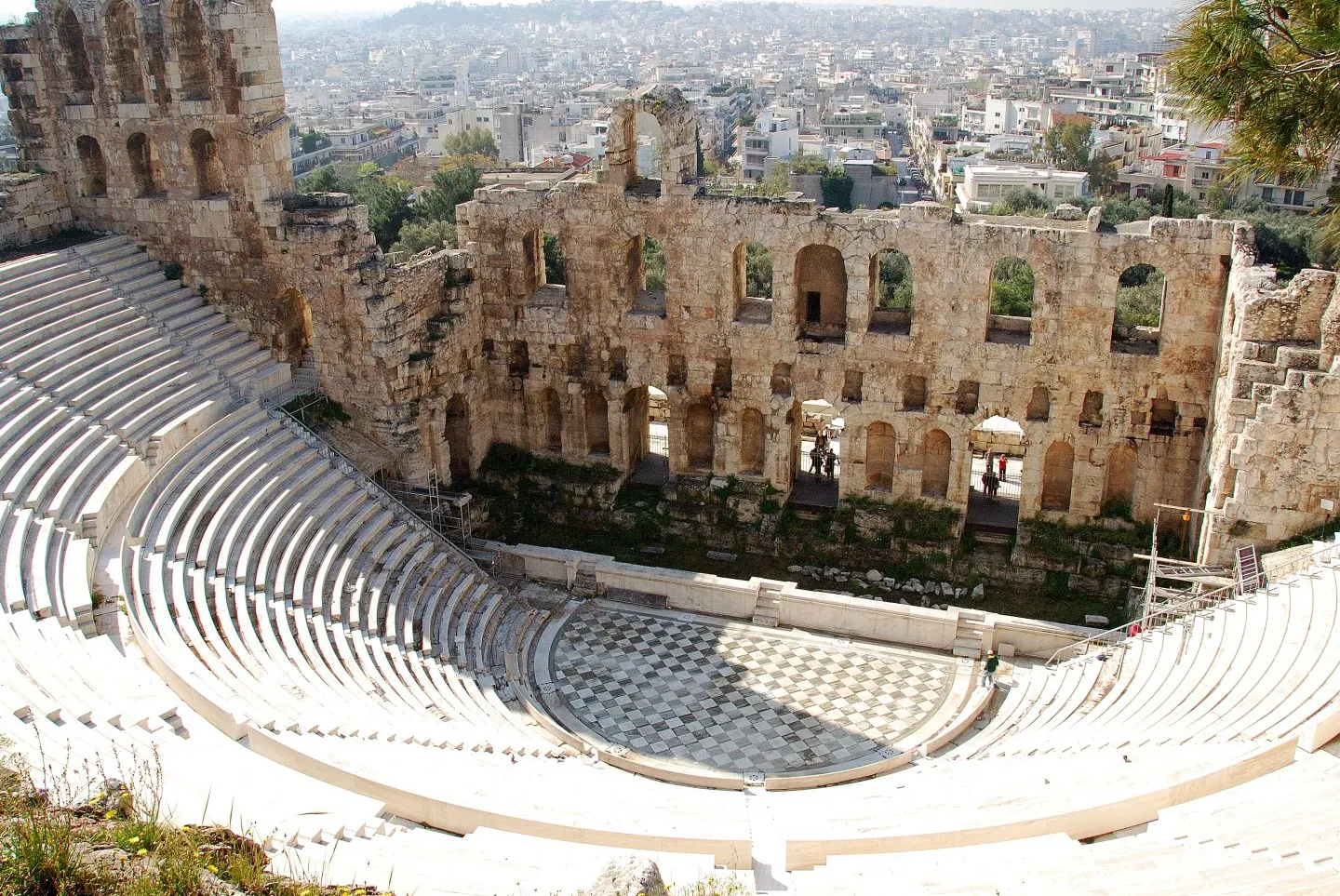
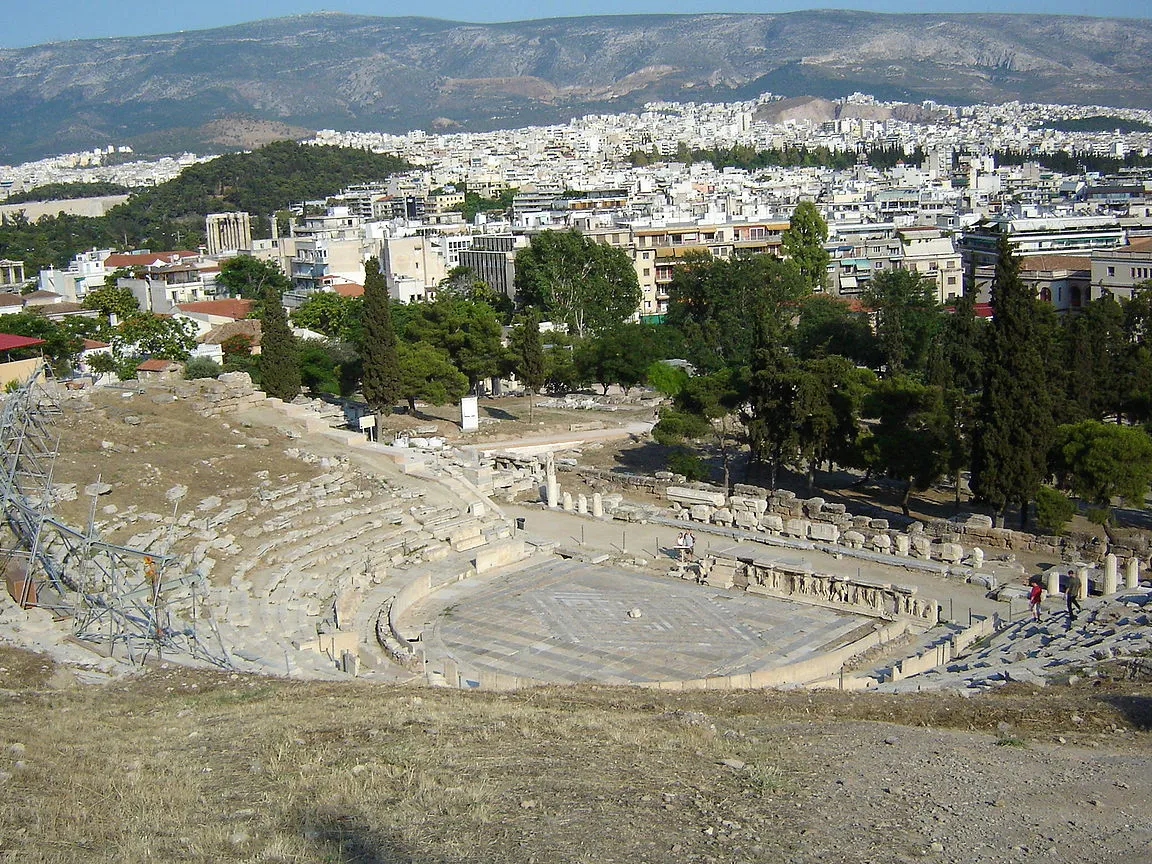
The Theatre of Dionysus is considered the birthplace of Greek theatre and the place where the great tragedies and comedies originated. This is where the works of Aeschylus, Sophocles, Euripides, and Aristophanes were staged, making it a vital center of cultural and religious life in ancient Athens. Its significance is immense, as it laid the foundations of Western theatre.
To avoid the crowds and intense heat, I suggest visiting the Theatre of Dionysus early in the morning, right when it opens, or late in the afternoon, especially during spring (April-May) or autumn (September-October). In summer, the sun can be relentless, so plan your visit during the cooler hours and bring proper sun protection.
As part of an ancient archaeological site, access to the Theatre of Dionysus can be challenging for people with reduced mobility because of uneven surfaces and steps. However, for the Acropolis in general, there is a wheelchair lift that helps visitors reach the top, though the ground remains uneven once այնտեղ. It is advisable to contact the administration in advance for specific information about accessibility at the theatre.
Before or after your visit to the Theatre of Dionysus, you can explore the rest of the impressive Acropolis, including the Parthenon, the Erechtheion, and the Propylaea. Just below, I recommend visiting the Acropolis Museum, which houses fascinating artifacts from the sacred hill, and taking a walk through the charming neighborhoods of Plaka and Anafiotika, both within easy walking distance.
Absolutely! For the best experience, wear comfortable shoes with good grip, as the ground is uneven. Don't forget water, sunscreen, and a hat, especially in the warmer months. An audio guide or printed guide will help you understand the rich history of the site. I suggest using IAudioguia's services at iaudioguia.com for a more immersive and informative experience while exploring this fascinating site.
¿Prefieres escuchar en español?
🇪🇸 Escucha la audioguía de Theatre of Dionysus in Athens en español