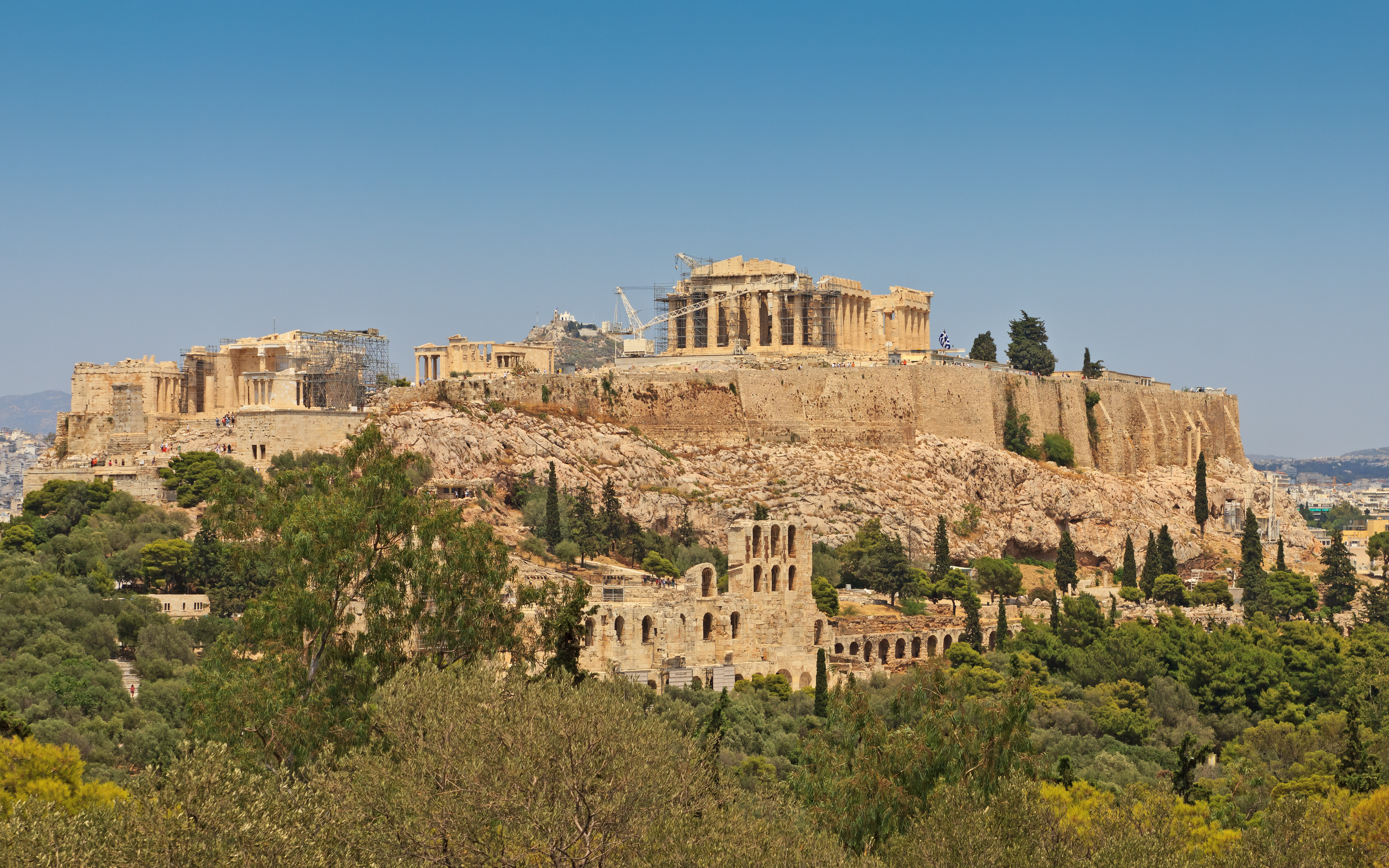
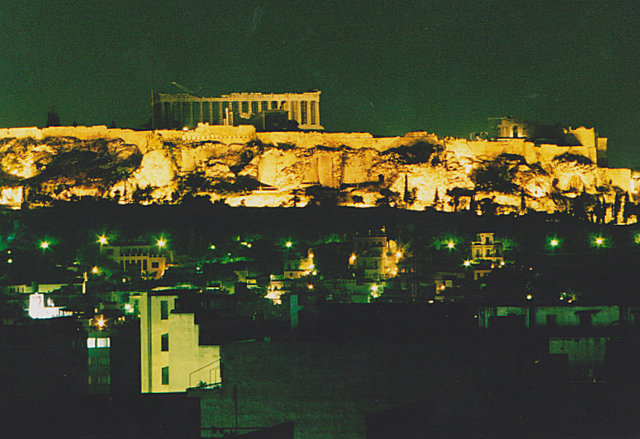
The Acropolis of Athens is the symbol of classical civilization, an imposing cultural monument that defies the passage of time.
The Acropolis is open every day. During summer (April-October), opening hours are usually from 8:00 AM to 7:00 PM. In winter (November-March), the hours are adjusted and it closes earlier. It is advisable to check the exact hours on the official website of the Greek Ministry of Culture and Sports before your visit. You can access the Acropolis through the main entrance via the Propylaea.
The general admission price to the Acropolis is €20. Reduced rates are available for EU students and EU citizens over 65, and admission is free for EU children and young people under 25. There are also free admission days throughout the year. I recommend checking the tickets section of the official website for the most up-to-date information on prices and exemptions: Acropolis and Acropolis Museum - Hours and Prices.
For a complete experience and to appreciate all the monuments such as the Parthenon, the Erechtheion, the Propylaea, and the Temple of Athena Nike, it is recommended to allow at least 2 to 3 hours. If you also plan to visit the Acropolis Museum, located a short distance away, you will need an additional 1.5 to 2 hours.
The Acropolis of Athens is one of the most famous ancient citadels in the world, symbolizing democracy, classical art, and philosophy. It was a religious and political center of ancient Athens, housing temples dedicated to gods, mainly the goddess Athena. Its construction during the Age of Pericles represents the height of classical Greek civilization and has deeply influenced Western architecture and thought.
To avoid large crowds and intense heat, the best time to visit the Acropolis is early in the morning, just after opening, or late in the afternoon before closing. As for the best time of year, spring (April-May) and autumn (September-October) offer more pleasant temperatures and fewer tourists than the peak summer season.
Yes, the Acropolis has improved its accessibility. It has a wheelchair lift near the north slope that facilitates access to the top. It is recommended to contact the site authority in advance to confirm the availability and operation of the lift, as it may sometimes be under maintenance. The surface of the site is uneven, with gravel paths and slopes, so assistance may be required.
Very close to the Acropolis, you can visit the impressive Acropolis Museum, which houses artifacts found on the Acropolis itself. Also nearby are the slopes of the Acropolis, the Ancient Agora, the Temple of Olympian Zeus, the Theatre of Dionysus, and the Odeon of Herodes Atticus. The neighborhoods of Plaka and Anafiotika, with their charming streets and tavernas, are right at the foot of the hill.
Of course, here are some useful tips: wear comfortable shoes, as the surface is uneven and slippery in some areas; bring water, a hat, and sunscreen, especially in summer. Consider hiring a tour guide or using an audio guide to understand the rich history of the monuments. Also, buy your tickets online in advance to avoid long lines, especially during high season.
¿Prefieres escuchar en español?
🇪🇸 Escucha la audioguía de Acropolis of Athens en español