Discover the history and secrets of this place with our audio guide.
The Parthenon is located within the Acropolis of Athens complex, and opening hours vary depending on the season. It is generally open from 8:00 a.m. until sunset. You can find updated opening hours and more access details on the official website of the Greek Ministry of Culture and Sports.
The Acropolis has an admission fee that includes access to the Parthenon and other structures. The price varies depending on the season and age, with discounts for students and seniors. There are usually no free admission options except on specific public holidays.Check current prices here.
To fully enjoy the Parthenon and the rest of the Acropolis, it is recommended to allow at least 2 to 3 hours. This will give you time to walk around, take photos, and soak up the atmosphere without rushing.
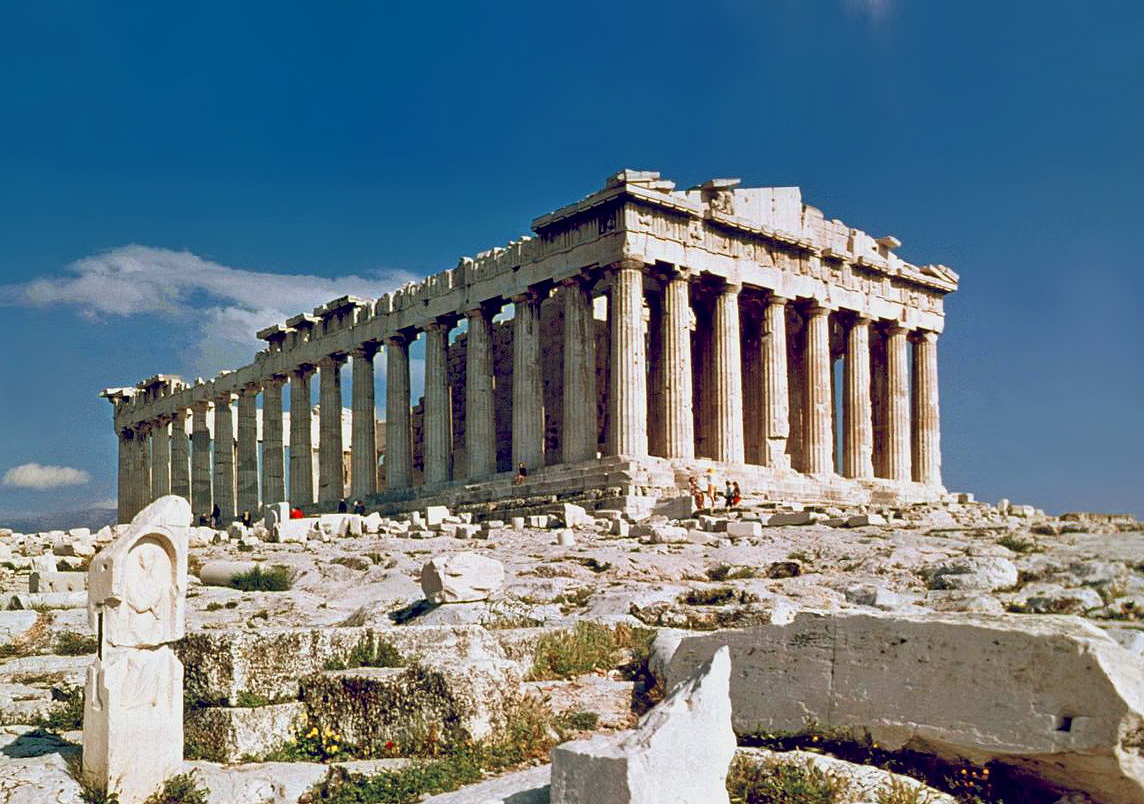
The Parthenon was the main temple of the Acropolis sanctuary dedicated to the goddess Athena Parthenos. Built in the 5th century BC, it is considered the finest example of Doric architecture and a symbol of Athenian democracy and classical culture.
To avoid large crowds and intense heat, I recommend visiting the Parthenon early in the morning, right when it opens, or late in the afternoon. The best time of year is spring (April-May) or autumn (September-October), when the weather is milder.
Part of the Acropolis, including the main access to the Parthenon, is wheelchair accessible. There is an elevator available for people with reduced mobility near the entrance. I recommend confirming elevator availability and accessible routes on the official website before your visit.
Very close to the Parthenon and within the Acropolis, you can visit the Erechtheion, the Propylaea, and the Temple of Athena Nike. Just below, do not miss the Acropolis Museum and the ancient theaters of Dionysus and Herodes Atticus.
Wear comfortable shoes, bring sun protection such as a hat, sunglasses, and sunscreen, and carry enough water, especially in summer. Consider hiring a guide or using an audio guide such as IAudioguia.com to better understand the history and meaning of each structure. And do not forget your camera!
¿Prefieres escuchar en español?
🇪🇸 Escucha la audioguía de the Parthenon en español