¿Sabías que este puerto fue el paraíso de los contrabandistas donde alemanes y daneses se aliaban a escondidas para burlar la ley con botellas de aquavit?
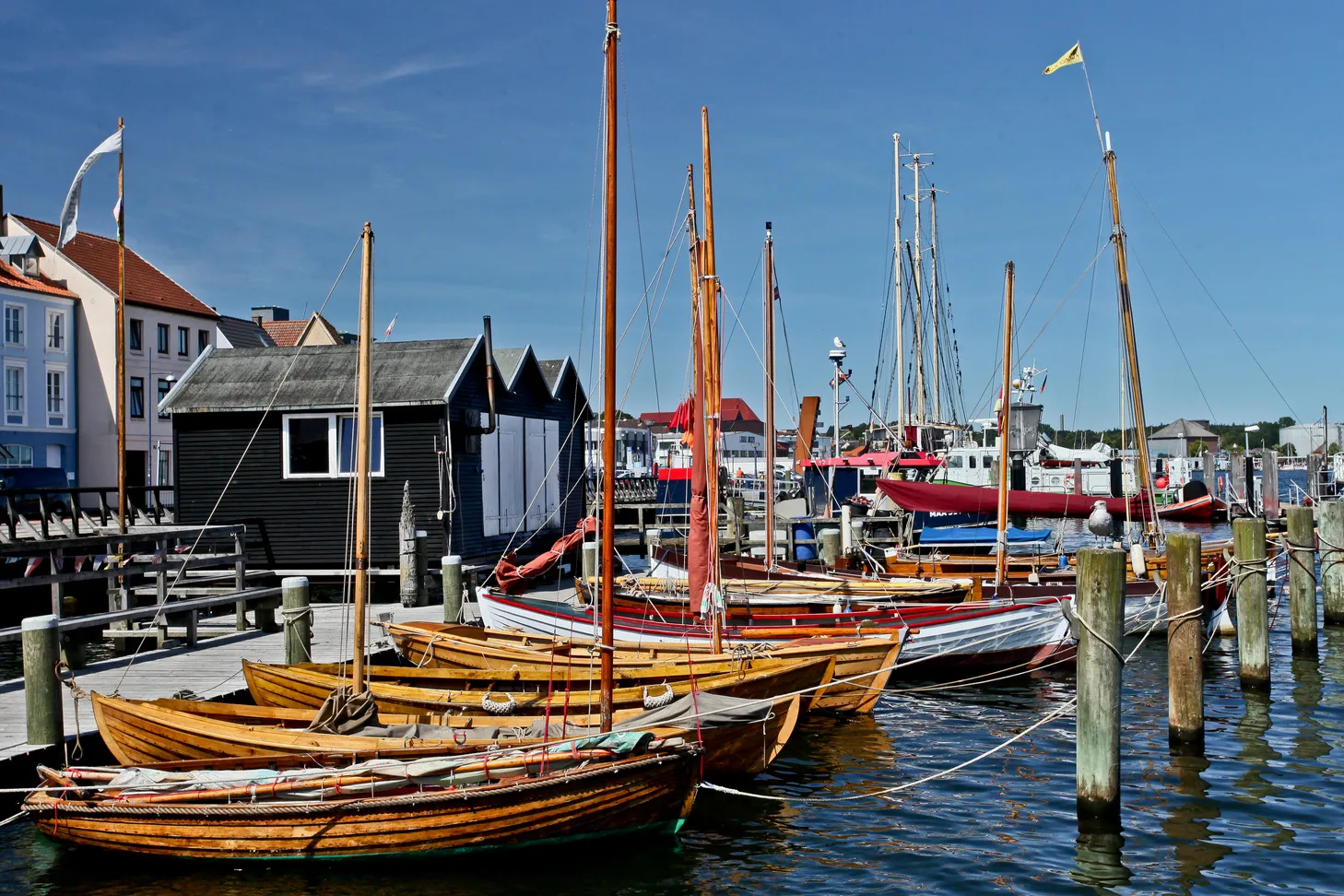
The Museum Harbour (Museumswerft Flensburg) is located directly on Flensburg’s historic harbor, very close to the harbor promenade. Most museums are open daily from 10:00 AM to 6:00 PM, although hours may vary by season, especially in winter. I recommend checking the exact opening times on the official website before you go: www.museumsafen.de.
An individual ticket for the City History Museum (Stadtmuseum) costs around €6, while a combined ticket for several ships and museums is about €12–14. Children and teenagers under 18 have free admission. There are also discounts for students and groups, and you can find full pricing details on the official website.
Plan at least 2 to 3 hours for a relaxed visit that includes the main museum ships and the permanent exhibition. If you are passionate about naval history or traveling with children who will want to explore every corner, you could easily spend half a day here. It is best not to rush so you can enjoy the authentic atmosphere of the historic shipyard.
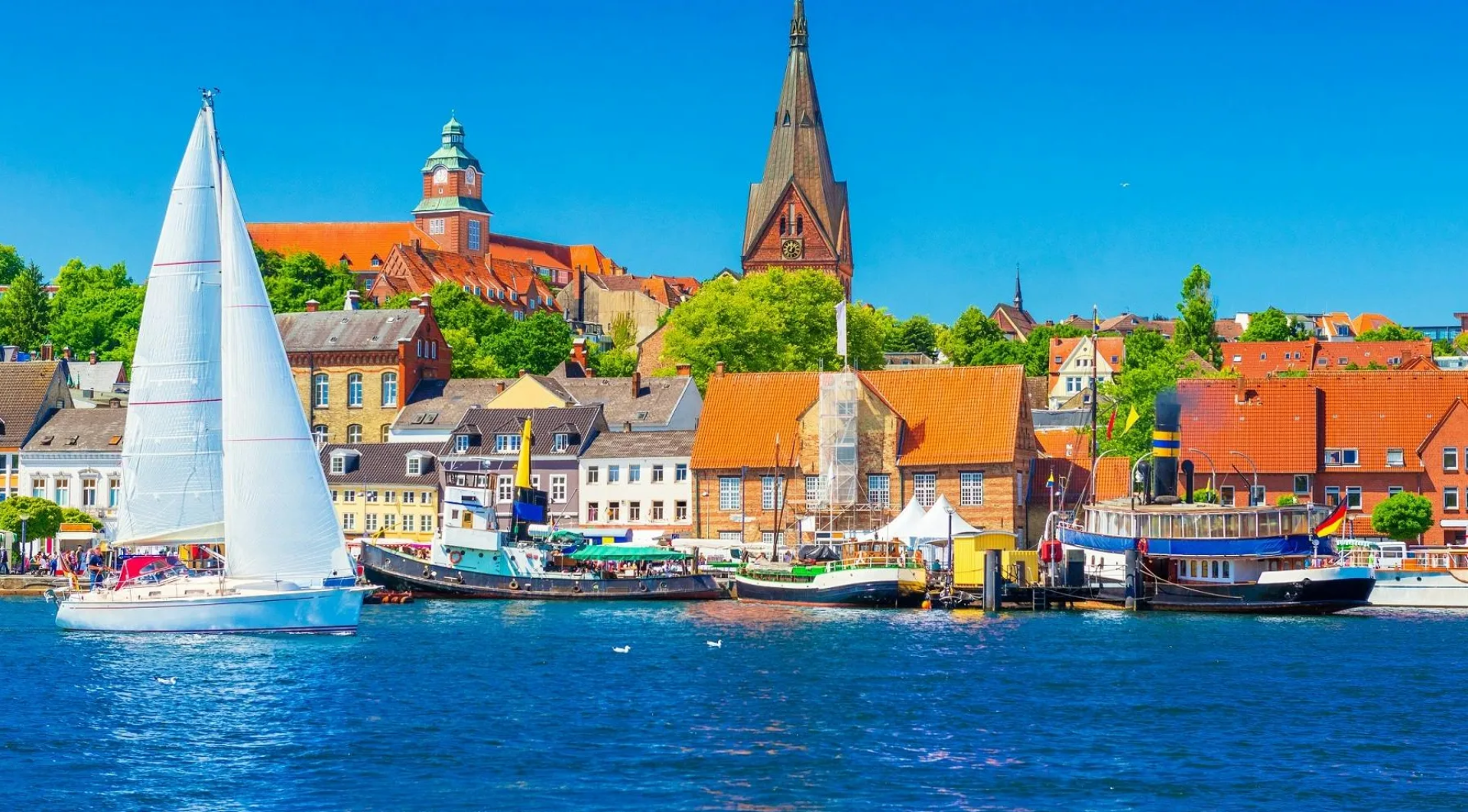
For centuries, Flensburg’s harbor was at the heart of the lucrative indigo trade and the slave trade, which made the city one of the wealthiest in Denmark and northern Germany. The impressive 18th-century red-brick warehouses you will see along the harborfront are a silent testament to this complex and opulent past. Visiting it means understanding a fundamental part of Europe’s economic history.
The best time is from May to September, when the weather is more stable and you can enjoy the harbor outdoors and the nearby cafés. To avoid crowds, especially if you want to board the ships at a relaxed pace, I recommend visiting on weekday mornings right after opening or late in the afternoon. Sunsets on the pier are especially photogenic.
The exhibition buildings on land are accessible, but keep in mind that boarding the historic ships involves narrow steps and uneven floors, which can be difficult for wheelchairs or strollers. The museum provides specific accessibility information on its website, and staff at the ticket desk can advise you on the best routes. I recommend checking the accessibility section at www.museumsafen.de before your visit.
Right next to it is the famous harborfront, with its historic brick warehouses that now house shops and restaurants. You can also walk to the Maritime Museum or stroll through Holm with its colorful fishermen’s houses. Flensburg’s historic center, with its medieval charm and distinctive shops, is only a 10-minute walk away.
Wear comfortable shoes because you will be walking on wooden piers and uneven ship decks. If you are traveling with children, pick up the free map at the ticket desk first so you can plan a route between the ships that will interest them most. Don’t forget to try a Flensburger, the local beer, in one of the harbor pubs after your visit to complete the maritime experience.
¿Prefieres escuchar en español?
🇪🇸 Escucha la audioguía de Flensburg Museum Harbour en español