No te vayas sin conocer la historia Suscribete
IAudioGuia iaudioguia
Audio Guides of Munich

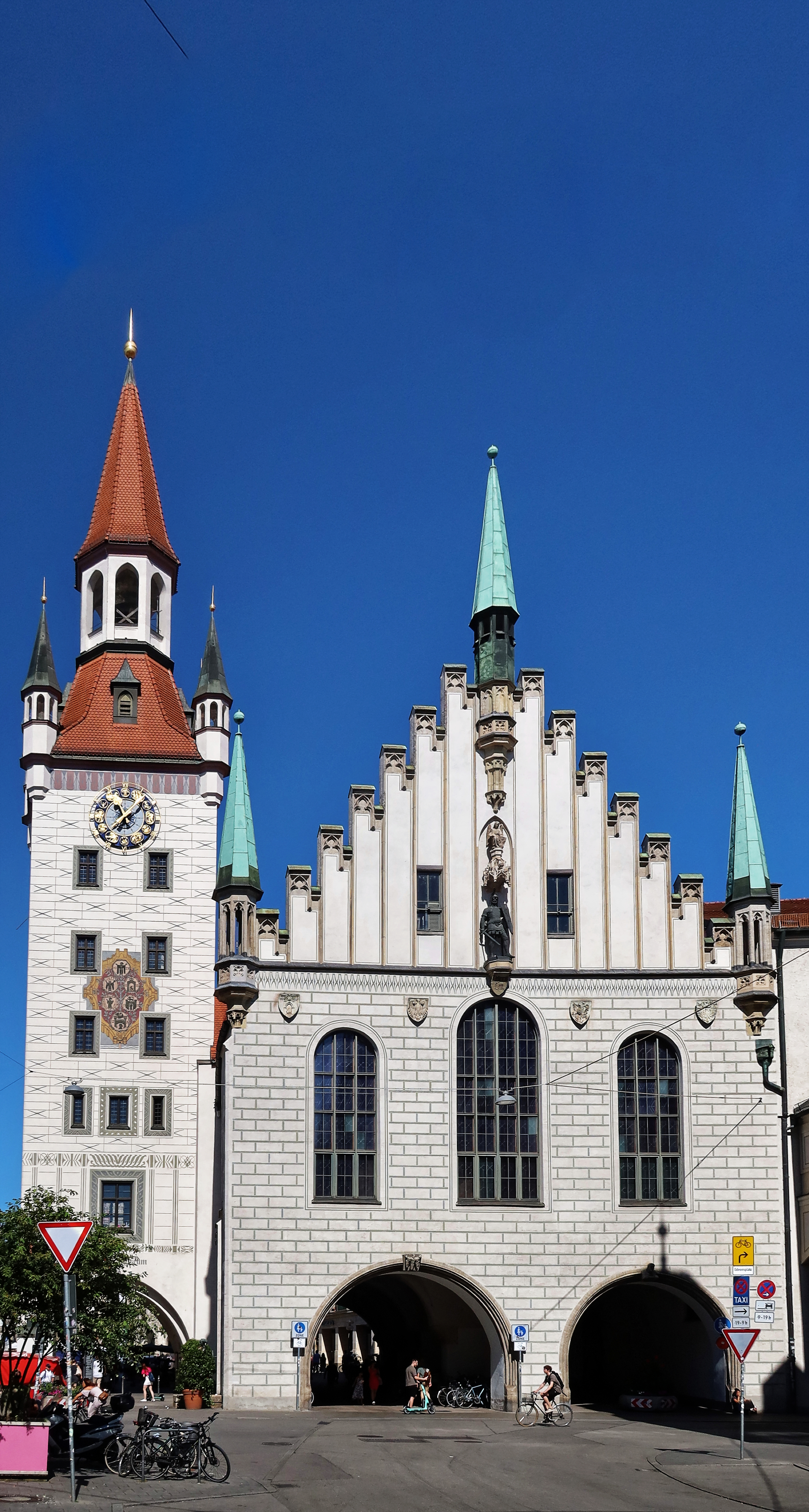
Audio Guide of Munich Toy Museum

¿Sabías que miles de juguetes antiguos sobrevivieron a bombas nazis escondidos en castillos? Entra en su mundo juguetón y escalofriante.

✓ What guidebooks don't tell you
✓ Secrets other tourists miss
✓ Listen while you explore
Discover everything
00:00
00:00
Rate this audio guide

📖 Audio Guide Chapters

6 chapters

1. The collector who bought a medieval tower

🔒 Premium Content

Subscribe to access all chapters of this audio guide.

2. The tower that keeps echoes of knights and kings

🔒 Premium Content

Subscribe to access all chapters of this audio guide.

3. Ivan's obsessive passion and his porcelain loves

🔒 Premium Content

Subscribe to access all chapters of this audio guide.

4. Toys that survived wars and became ghosts

🔒 Premium Content

Subscribe to access all chapters of this audio guide.

5. Eyes that follow you and marks that reveal treasures

🔒 Premium Content

Subscribe to access all chapters of this audio guide.

6. The legacy that makes you an eternal child in Munich

🔒 Premium Content

Subscribe to access all chapters of this audio guide.

❓ Frequently Asked Questions

What are the opening hours of the main historical and cultural attractions in Munich, and how can I get to them?

Most of Munich's main museums and attractions, such as the Munich Residenz or the Deutsches Museum, usually open between 9:00 and 10:00 and close between 17:00 and 18:00. It is advisable to check the specific opening hours on their websites before your visit, as they may vary by season. Public transport (subway, tram, bus) is excellent for getting around the city.

What is the average cost of tickets for museums and cultural attractions in Munich, and are there any free options?

Ticket prices for the main points of interest vary, generally between 7 and 15 euros per adult. Some museums, such as the Alte Pinakothek, offer 1-euro admission on Sundays. You can also explore the city center, including Marienplatz and its historic buildings, free of charge.

How much time is recommended to visit Munich and soak up its history and culture?

To explore Munich's key highlights in a meaningful way, a minimum of 3 to 4 days is recommended. This will allow you to visit several museums, stroll through the historic neighborhoods, enjoy the gardens, and try Bavarian cuisine without rushing. If you have less time, focus on the main attractions in the city center.

Could you give me more details about Munich's historical and cultural importance, especially in relation to Bavarian royalty and its role in Europe?

Munich was the capital of the Kingdom of Bavaria and has been a vital center of European culture and politics. The Munich Residenz, for example, was the seat of the Dukes, Electors, and Kings of Bavaria, showcasing the opulence and power of the Wittelsbach dynasty over the centuries. The city was also the birthplace of significant artistic and architectural movements.

I am planning my trip to Munich. What is the best time of year to visit the city and enjoy its cultural and scenic attractions?

Spring (April-May) and autumn (September-October) are ideal, with pleasant weather and fewer crowds than in summer. If you are interested in Oktoberfest, the last week of September and the first of October are essential, although the city will be very crowded. Winter offers charming Christmas markets but cold temperatures.

Is Munich well prepared for visitors with reduced mobility? Is there accessibility in museums, transport, and other attractions?

Munich is generally an accessible city. Most museums, such as the Deutsches Museum or the Alte Pinakothek, have ramps and elevators. Public transport (especially the subway and modern buses) is also usually accessible. However, the cobbled streets of the old town can be a bit more challenging.

Besides Munich, what other nearby tourist attractions or places of interest do you recommend visiting?

There is a lot to see near Munich! I highly recommend an excursion to Neuschwanstein Castle, a fairy-tale wonder. You can also visit the Dachau Concentration Camp Memorial, a historical site of great importance, or the beautiful city of Salzburg in Austria, just a short train ride away.

To make the most of my visit, do you have any practical tips or special recommendations for exploring Bavarian history and culture in Munich?

I recommend starting with a free walking tour to get your bearings and learn the basic history. Consider buying the Munich City Card if you plan to use public transport a lot and visit several attractions, as it can save you money. And of course, do not leave without trying an authentic Bavarian beer and a Weisswurst!

¿Prefieres escuchar en español?

🇪🇸 Escucha la audioguía de Munich Toy Museum en español