


No te vayas sin conocer la historia Suscribete
IAudioGuia iaudioguia
Audio Guides of Nuremberg

Audio Guide of the Germanisches Nationalmuseum

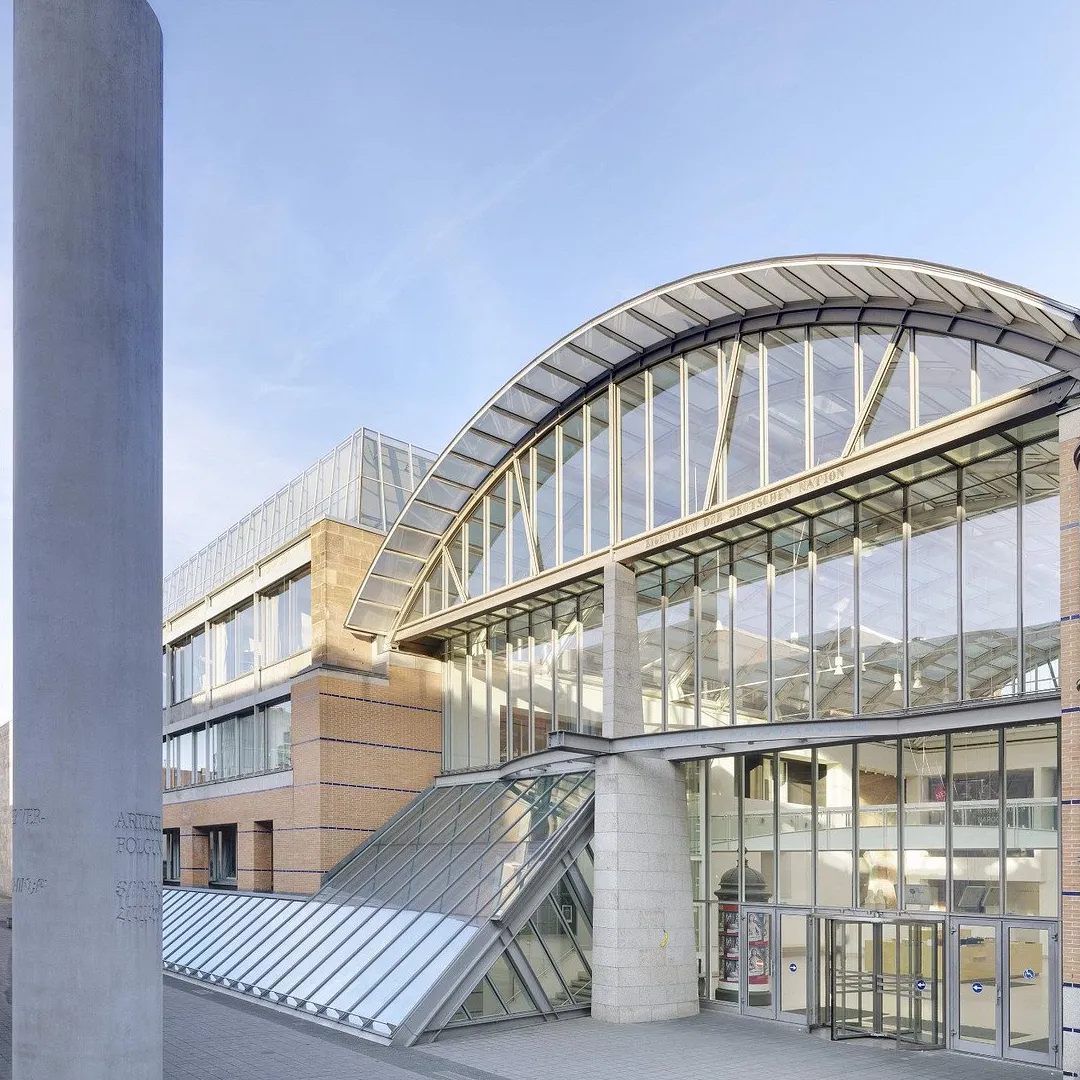
Un viaje profundo a la identidad cultural de Alemania, desde la Edad Media hasta el arte moderno, en una antigua ciudadela de Nuremberg.

✓ What guidebooks don't tell you
✓ Secrets other tourists miss
✓ Listen while you explore
Discover everything
00:00
00:00

📖 Audio Guide Chapters

6 chapters

1. Introduction and History

🔒 Premium Content

Subscribe to access all chapters of this audio guide.

2. Architecture and Design

🔒 Premium Content

Subscribe to access all chapters of this audio guide.

3. Art and Decoration

🔒 Premium Content

Subscribe to access all chapters of this audio guide.

4. Historical Figures

🔒 Premium Content

Subscribe to access all chapters of this audio guide.

5. Curiosities and Legends

🔒 Premium Content

Subscribe to access all chapters of this audio guide.

6. Cultural Importance and Legacy

🔒 Premium Content

Subscribe to access all chapters of this audio guide.

❓ Frequently Asked Questions

What are the opening hours of the Germanisches Nationalmuseum, and how can I get there?

The museum is open from Tuesday to Sunday, 10:00 AM to 6:00 PM, and is closed on Mondays. To get there, it is located in central Nuremberg, near the main station; you can use public transport such as the U2 tram to the Lorenzkirche stop. Visit the official website for more details: gnm.de.

How much is admission to the Germanisches Nationalmuseum, and are there free options?

General admission costs 9 euros for adults, with discounts for students and seniors over 65 at 7 euros, and it is free for children under 18 and people with disabilities. There are also family passes for 18 euros. Buy your tickets online at gnm.de/tickets to avoid queues.

How much time is needed to visit the Germanisches Nationalmuseum?

It is recommended to set aside at least 2–3 hours for a full visit, as the collections are extensive and cover thousands of years of history. If you are interested in specific exhibitions, you can shorten it to 1–2 hours, but plan for more time if you want an immersive experience.

What is the historical importance of the Germanisches Nationalmuseum?

Founded in 1852, it is the world's largest museum of German art and culture, with collections spanning from prehistory to the 20th century, including masterpieces such as Dürer's 'The Garden of Earthly Delights.' It represents Germany's cultural evolution and is a treasure for understanding its heritage.

What is the best time to visit the Germanisches Nationalmuseum?

Spring (April–June) or autumn (September–October) are ideal because of the pleasant weather and smaller crowds, avoiding the summer bustle. Weekday mornings are best for a quiet visit, especially outside weekends.

Is the Germanisches Nationalmuseum accessible for people with reduced mobility?

Yes, the museum is accessible, with ramps, elevators, and wheelchair-adapted restrooms; wheelchairs can be borrowed at the entrance. For more information or special assistance, contact +49 911 13310 or visit gnm.de/besuch/barrierfreiheit.

What other attractions are near the Germanisches Nationalmuseum?

Nearby you will find Nuremberg Castle just 1 km away, ideal for a historic stroll, and Hauptmarkt with its famous fountain and market stalls. Albrecht Dürer's House is also 500 meters away, perfect for combining artistic visits.

What practical tips are there for my visit to the Germanisches Nationalmuseum?

Wear comfortable shoes, as there is a lot of ground to cover, and download the museum app for free audio guides. Book tickets in advance during high season and join guided tours if you prefer; arrive early to avoid crowds and enjoy the café inside.

¿Prefieres escuchar en español?

🇪🇸 Escucha la audioguía de the Germanisches Nationalmuseum en español