
Donde los inventos cobran vida y las anécdotas vuelan más alto que los aviones expuestos
The Deutsches Museum is open daily from 9:00 AM to 5:00 PM, except on some public holidays. It is very easy to reach; you can take the U-Bahn (lines U1 or U2 to Fraunhoferstraße) or the S-Bahn (to Isartor) and walk a short distance. For more details on how to get there, you can check their directions page.
General adult admission costs 15 euros. Discounts are available for students, seniors, and families. Children under 6 generally enter free of charge. I recommend checking the latest rates and possible discounts on their admission fees page before your visit.
The Deutsches Museum is huge—one of the largest science and technology museums in the world. For a full visit without rushing, I recommend setting aside at least a whole day, around 5 to 6 hours. If you have less time, you can choose the exhibitions that interest you most.
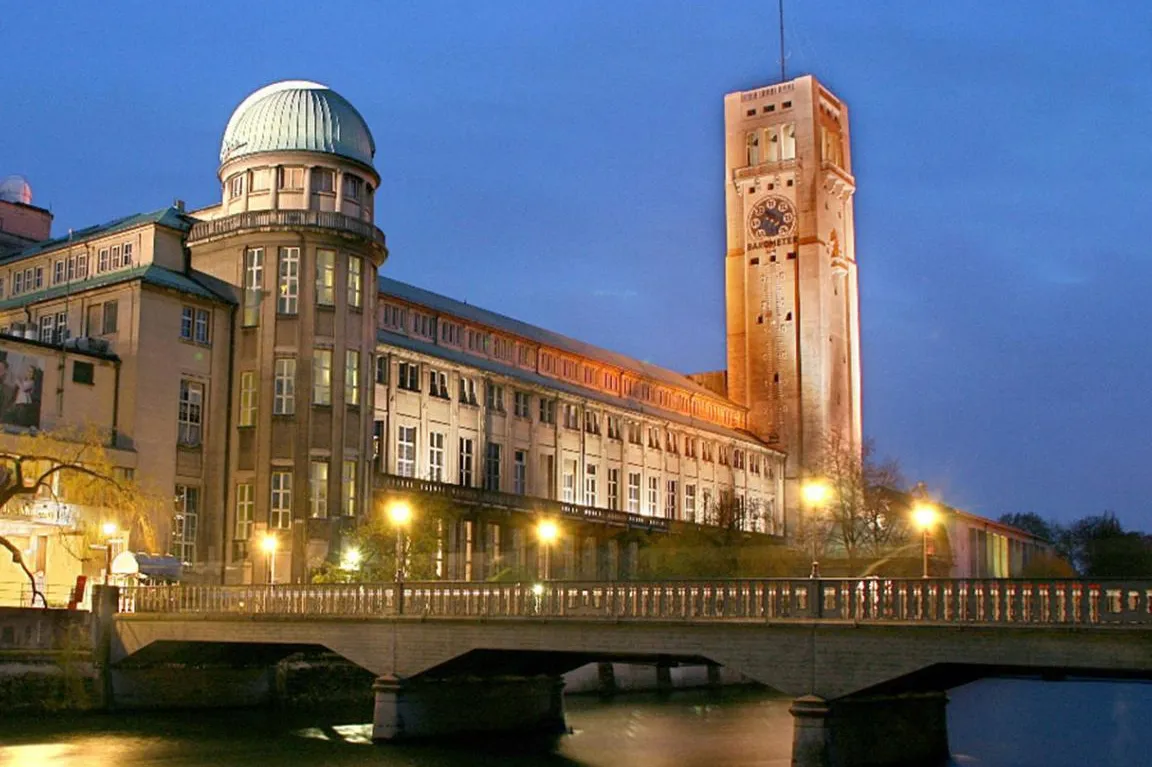
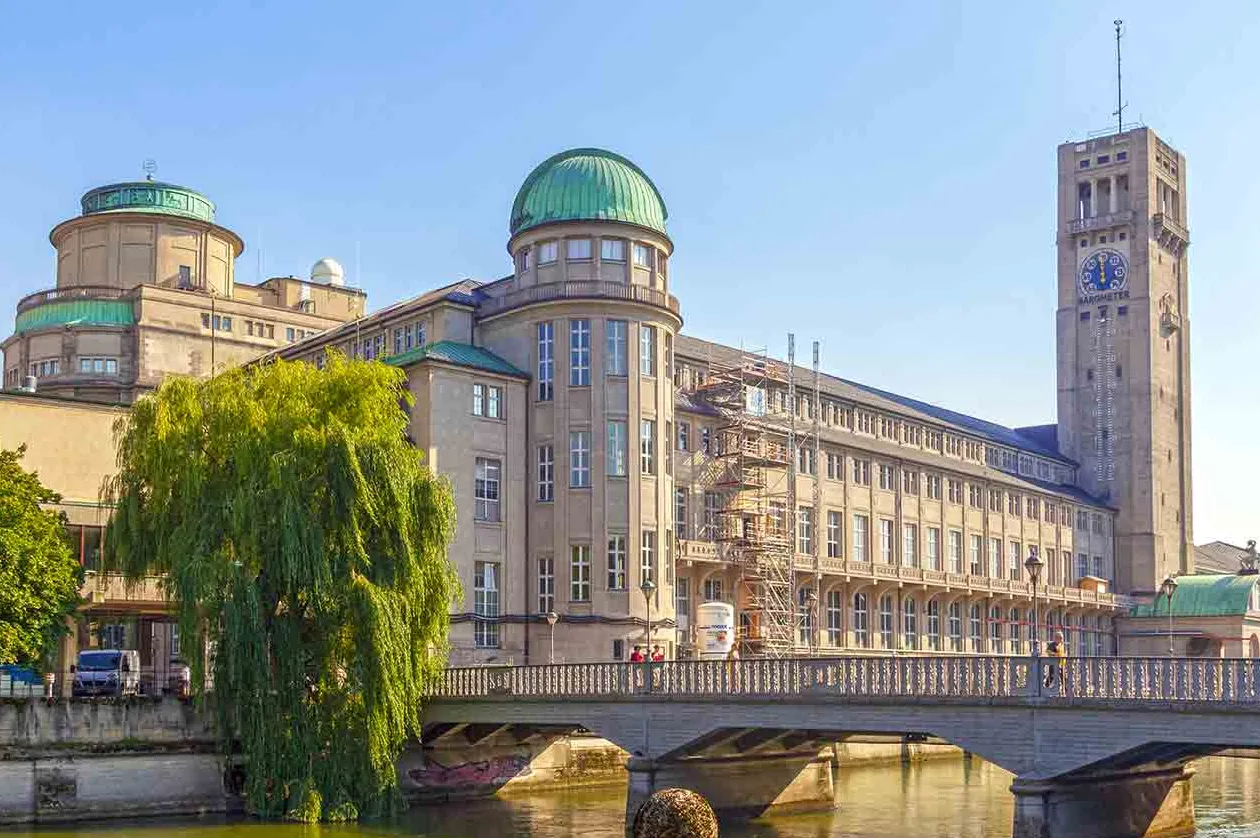
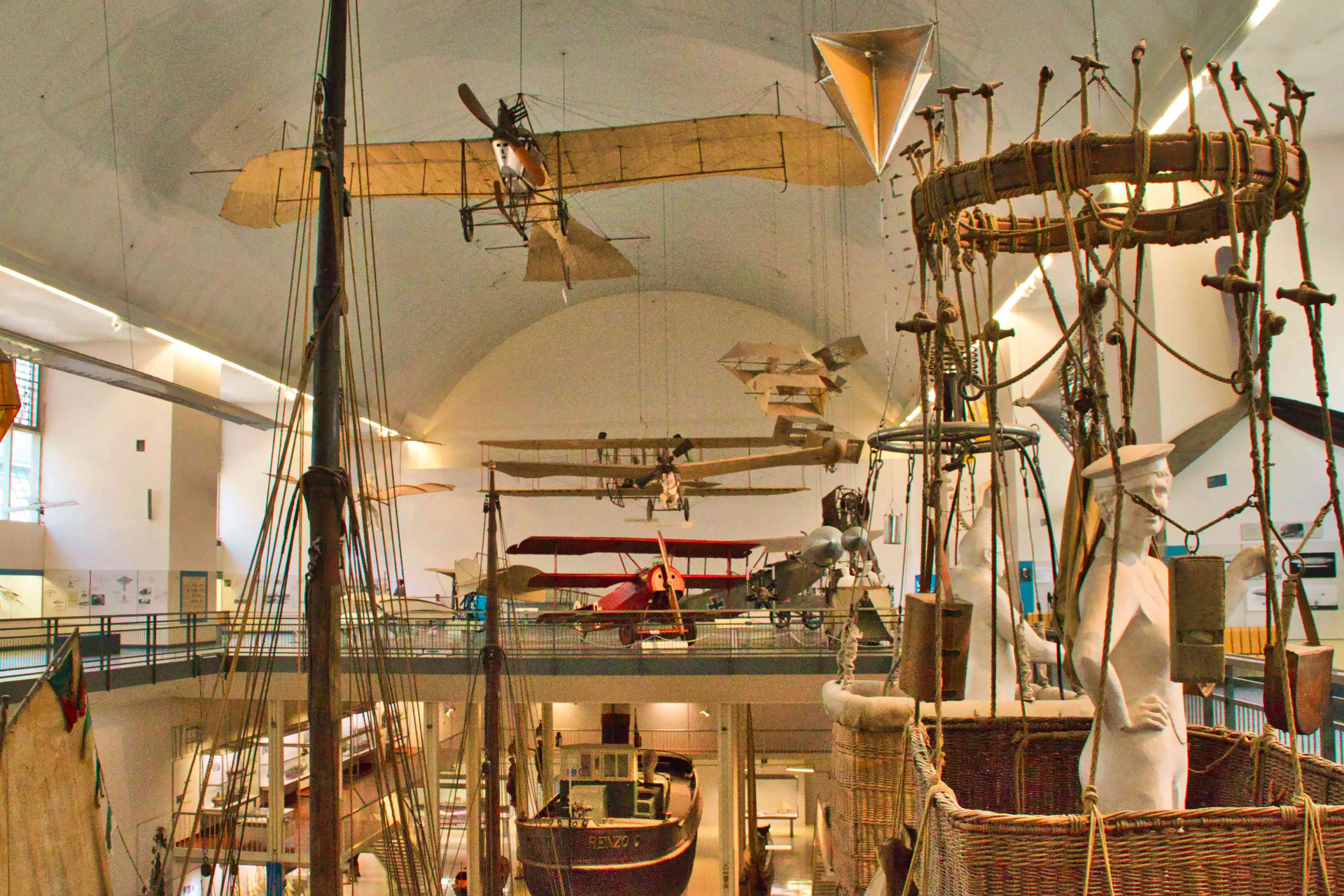
The Deutsches Museum is a true testament to human ingenuity. Founded in 1903, it has been a pioneer in science and technology education, showcasing humanity’s development from the Stone Age to the age of nanotechnology. It is an endless source of inspiration that has helped shape countless innovations.
To avoid the biggest crowds, I recommend visiting the museum on a weekday, preferably in the morning just after opening. As for the best time of year, it is generally less crowded outside school holidays and the summer months (July and August). Weekends are usually busier.
Yes, the Deutsches Museum is committed to accessibility. Most exhibitions are wheelchair accessible, and there are elevators connecting the different levels. Wheelchairs are also available to rent at the museum. For more detailed information, you can consult their accessibility page.
Of course! The Deutsches Museum is very well located. You can take a walk along the banks of the Isar River, which is right next to it. The Museum Island area is also beautiful. Within walking distance, you also have the Munich Residenz and Marienplatz, the heart of the city.
Absolutely. First, prioritize the sections that interest you most—it is very large. Use a museum map (available at the entrance and online). Consider using IAudioguía audio guides to enrich your experience with detailed, contextual storytelling. Also, do not miss the live demonstrations—some are spectacular. And of course, wear comfortable shoes, because you will walk a lot!
¿Prefieres escuchar en español?
🇪🇸 Escucha la audioguía de the Deutsches Museum en español