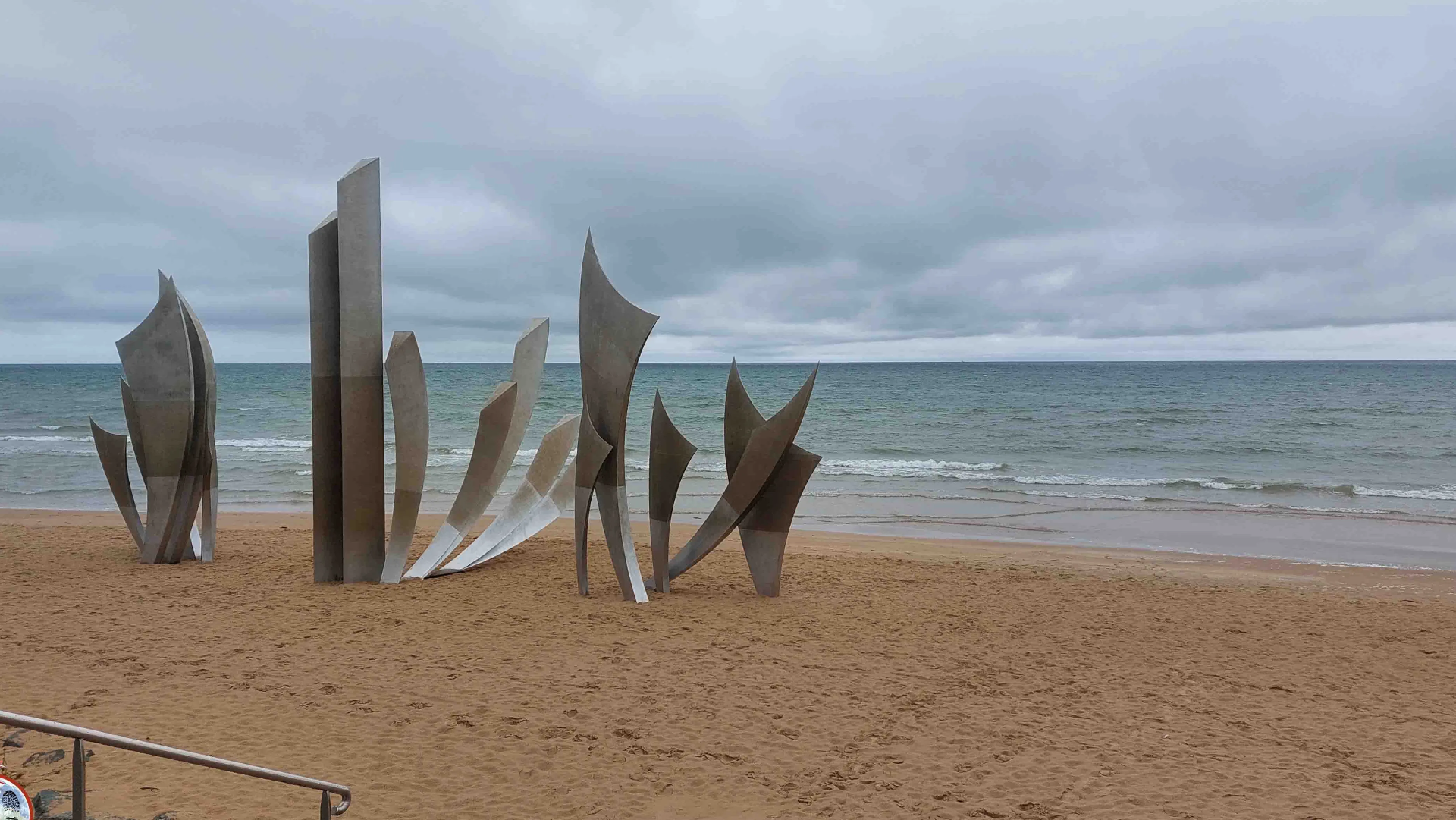
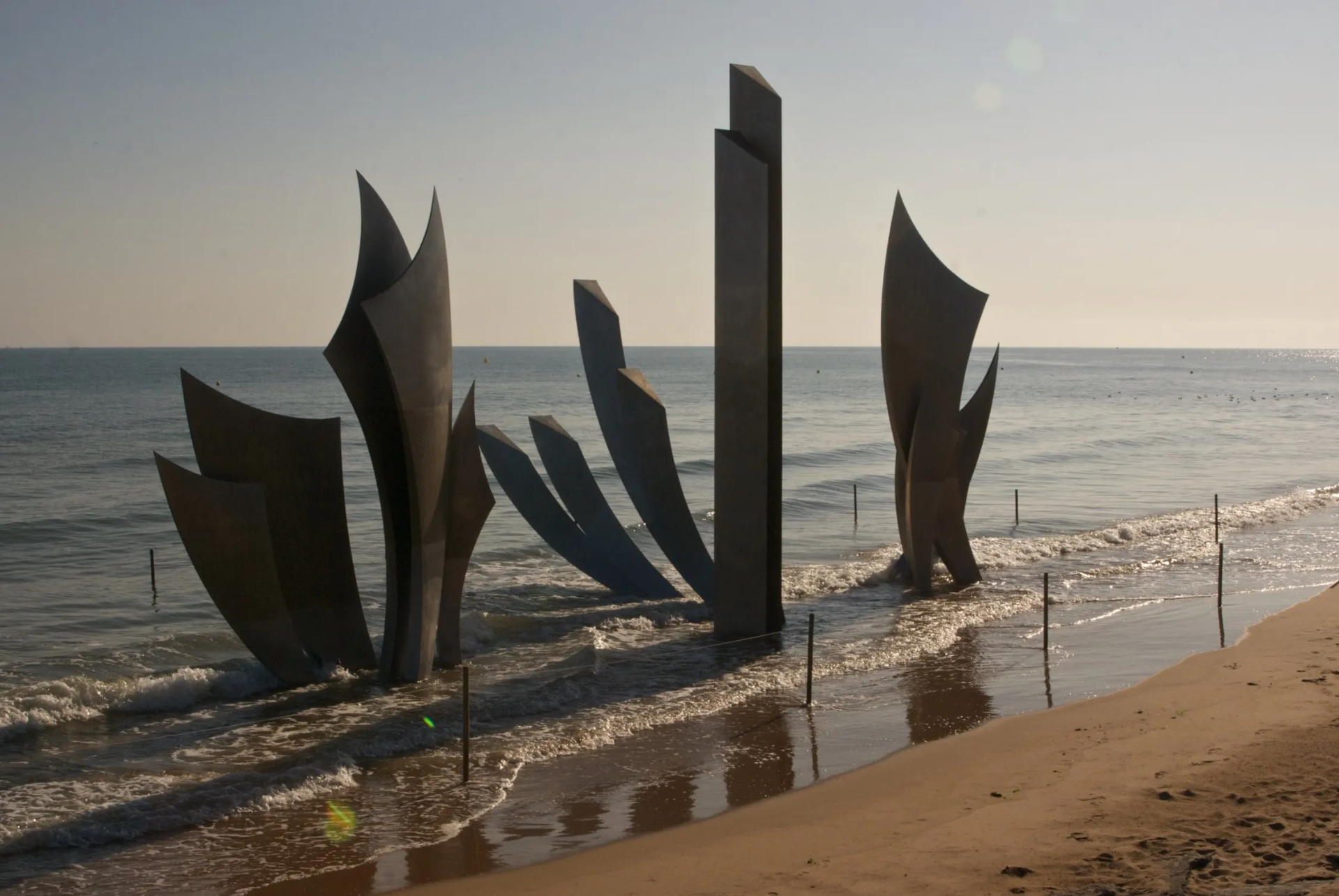
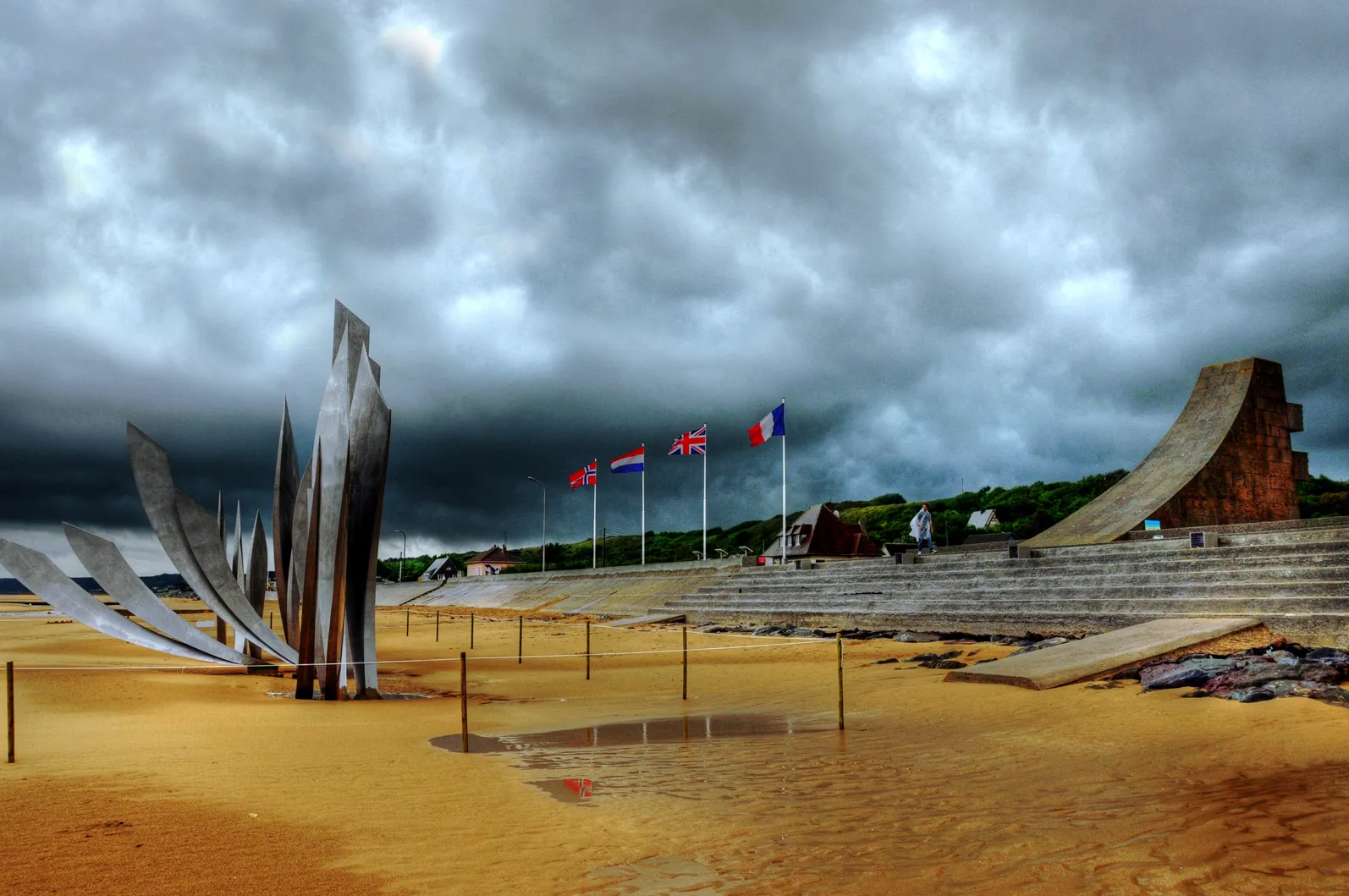
The site of one of the most critical D-Day landings in Normandy, commemorating courage and sacrifice.
Omaha Beach is an outdoor site and is open 24 hours a day, every day of the year, with no time restrictions. You can reach it directly by car, bicycle, or on foot. We recommend visiting the nearby museums and memorials if you want a more complete experience, as they are usually open from 9:00 a.m. to 6:00 p.m. You can find more details on how to get there on the official Normandy Tourism website.
Access to Omaha Beach is completely free, as it is a public outdoor site. However, nearby museums and visitor centers, such as the Normandy American Cemetery and Memorial, may charge admission if you wish to visit them. I recommend checking their respective websites for up-to-date pricing information.
To get a good sense of Omaha Beach and its key points, I suggest setting aside at least 2 to 3 hours. If you also plan to visit the museums, the American Cemetery, and other nearby memorial sites, a full visit could take half a day or even a whole day. Keep in mind that the length of the beach means exploring it on foot takes time.
Omaha Beach was one of the five sectors of the Normandy landings on June 6, 1944, known as D-Day, during World War II. It was the place where American forces faced the fiercest German resistance, suffering the highest casualties of all the landing beaches. It is a symbol of the courage and sacrifice that contributed to the liberation of Europe and the end of the war.
Spring, from April to May, and autumn, from September to October, are usually the best times, as the weather is pleasant and there are fewer crowds. If you visit in summer, I recommend going early in the morning or late in the afternoon to avoid peak hours. A clear day allows you to better appreciate the landscape and reflect on its history.
Access to the beach itself can be challenging for people with reduced mobility because of the sand. However, many of the nearby memorials, museums, and visitor centers, such as the Normandy American Cemetery, are equipped with ramps and accessible paths. It is advisable to contact the specific sites you wish to visit directly to confirm accessibility, as each one has its own facilities.
Very close to Omaha Beach is the Normandy American Cemetery and Memorial, a deeply moving place. You can also visit the Omaha Beach Museum and other D-Day museums in nearby towns such as Colleville-sur-Mer. In addition, other landing beaches such as Utah Beach, Gold Beach, Juno Beach, and Sword Beach are a short drive away, and each offers a different perspective on the events.
Bring comfortable footwear, as you will be walking on sand and uneven ground. If you visit on a sunny day, take sun protection with you. Consider visiting a museum before or after to better understand the historical context. Finally, take a moment of silence to reflect on the meaning of the place; it is an experience that will connect you with the past in a unique and moving way.
¿Prefieres escuchar en español?
🇪🇸 Escucha la audioguía de Omaha Beach en español