
No te vayas sin conocer la historia Suscribete
IAudioGuia iaudioguia
Audio Guides of Nantes

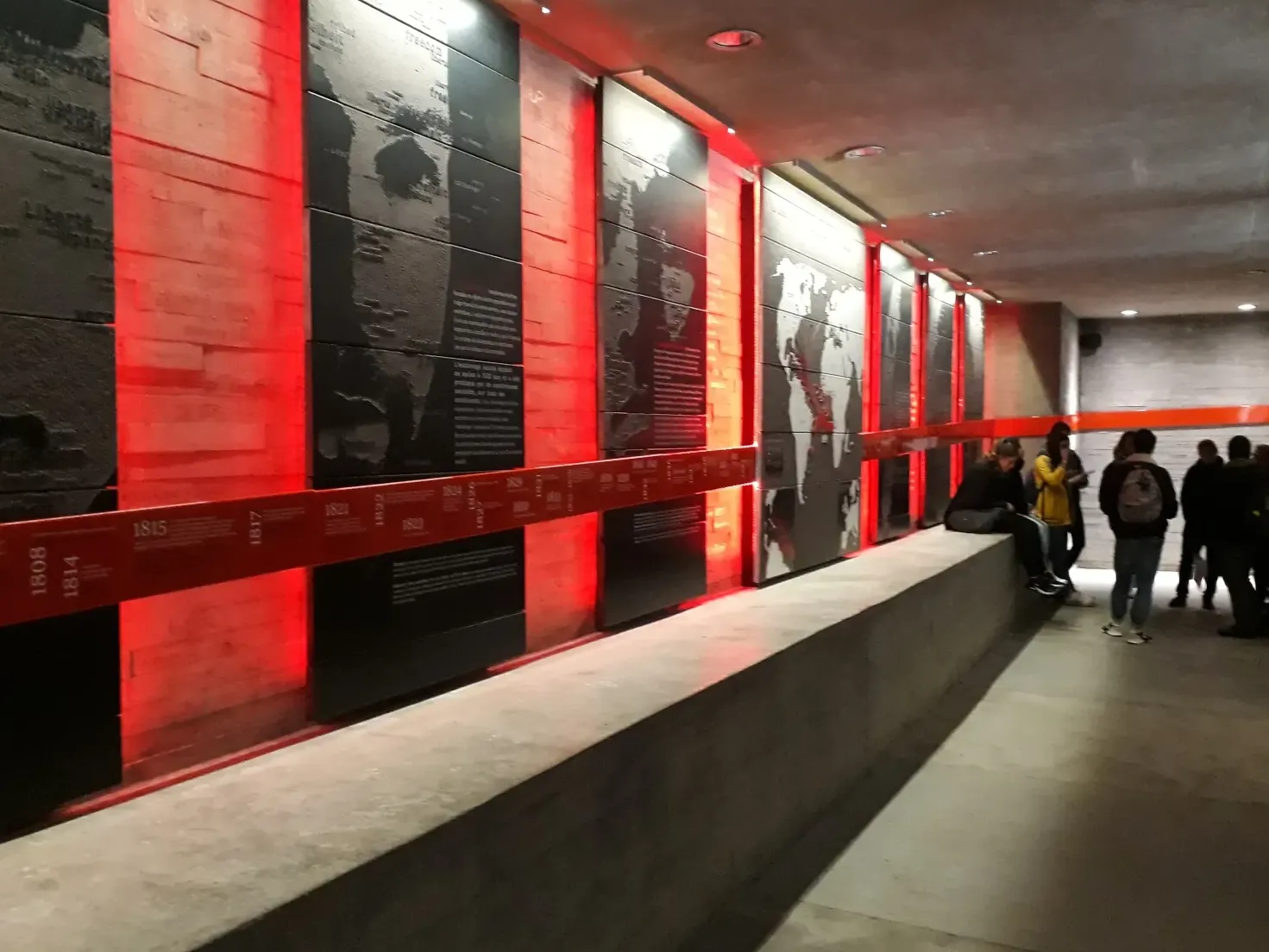
Audio Guide of the Memorial to the Abolition of Slavery

A moving space for remembrance and reflection on the history of slavery and its abolition, located in the former capital of the slave trade.

✓ What guidebooks don't tell you
✓ Secrets other tourists miss
✓ Listen while you explore
Discover everything
00:00
00:00
Rate this audio guide

📖 Audio Guide Chapters

6 chapters

1. Introduction and History

🔒 Premium Content

Subscribe to access all chapters of this audio guide.

2. Architecture and Design

🔒 Premium Content

Subscribe to access all chapters of this audio guide.

3. Art and Symbolism

🔒 Premium Content

Subscribe to access all chapters of this audio guide.

4. Voices of Abolition

🔒 Premium Content

Subscribe to access all chapters of this audio guide.

5. Curiosities and Reflections

🔒 Premium Content

Subscribe to access all chapters of this audio guide.

6. Cultural Importance and Legacy

🔒 Premium Content

Subscribe to access all chapters of this audio guide.

❓ Frequently Asked Questions

What are the opening hours, and how can I access the Memorial to the Abolition of Slavery in Nantes?

The memorial is open Tuesday to Sunday from 11:00 a.m. to 6:00 p.m. from March to September, and from 2:00 p.m. to 6:00 p.m. from October to February; it is closed on Mondays and public holidays. It is easily reached from central Nantes, located in the former warehouses along the Loire at Quai de la Fosse; you can get there by tram line 1 or 2 to the 'Commerce' stop. For more details, visit the official website here or call +33 2 40 41 35 50.

How much does admission to the memorial cost, and are there reduced rates?

Admission to the memorial is free for all visitors, with no advance booking required for basic access. However, temporary exhibitions or guided tours may have an additional cost of around 5 to 8 euros; check the official website for discounts for students or families.

How much time is needed to visit the memorial fully?

It is recommended to allow at least 1 to 2 hours to explore the permanent exhibitions and the memorial space, giving yourself time to read the panels and reflect. If you choose a guided tour or audio guide, the visit could extend to 2 to 3 hours, ideal for a deeper immersion in the subject.

What is the historical importance of the Memorial to the Abolition of Slavery?

Nantes was one of France's main ports in the transatlantic slave trade during the 17th and 18th centuries, with more than 500 expeditions that transported hundreds of thousands of Africans. The memorial, inaugurated in 2012, commemorates the abolition of slavery in France in 1848 and promotes remembrance and reflection on this dark chapter of history, with exhibitions on its impact on society today.

What is the best time of year or day to visit the memorial?

Spring (April to June) or autumn (September to October) are ideal for avoiding crowds and enjoying Nantes's mild weather, with fewer tourists than in summer. Choose weekday mornings for a quieter visit, when the site opens at 11:00 a.m., allowing for a more contemplative experience.

Is the memorial accessible for people with reduced mobility?

Yes, the memorial has adapted access, including ramps, lifts, and wheelchair-accessible toilets, although some underground areas may require assistance. It is recommended to contact them in advance at +33 2 40 41 35 50 for specific requests or equipment loans; the official website provides more details here.

What other attractions are near the Memorial to the Abolition of Slavery?

Just a 10-minute walk away is the Château des Ducs de Bretagne, a historic castle with an interactive museum about the history of Nantes. You can also visit the nearby Cathedral of St. Peter and St. Paul or stroll along the banks of the Loire; for planning, check maps on the Nantes tourism website here.

What practical tips can help me make the most of my visit to the memorial?

Wear comfortable shoes, as part of the visit involves walking through underground warehouses; consider downloading an audio guide on-site to enrich the experience with detailed narration. Visit with an open mind for reflection, and combine it with a walk along the nearby Loire; book guided tours online if you are travelling in a group for a more structured perspective.

¿Prefieres escuchar en español?

🇪🇸 Escucha la audioguía de the Memorial to the Abolition of Slavery en español