No te vayas sin conocer la historia Suscribete
IAudioGuia iaudioguia
Audio Guides of Dijon

Audio Guide of Place de la Liberation

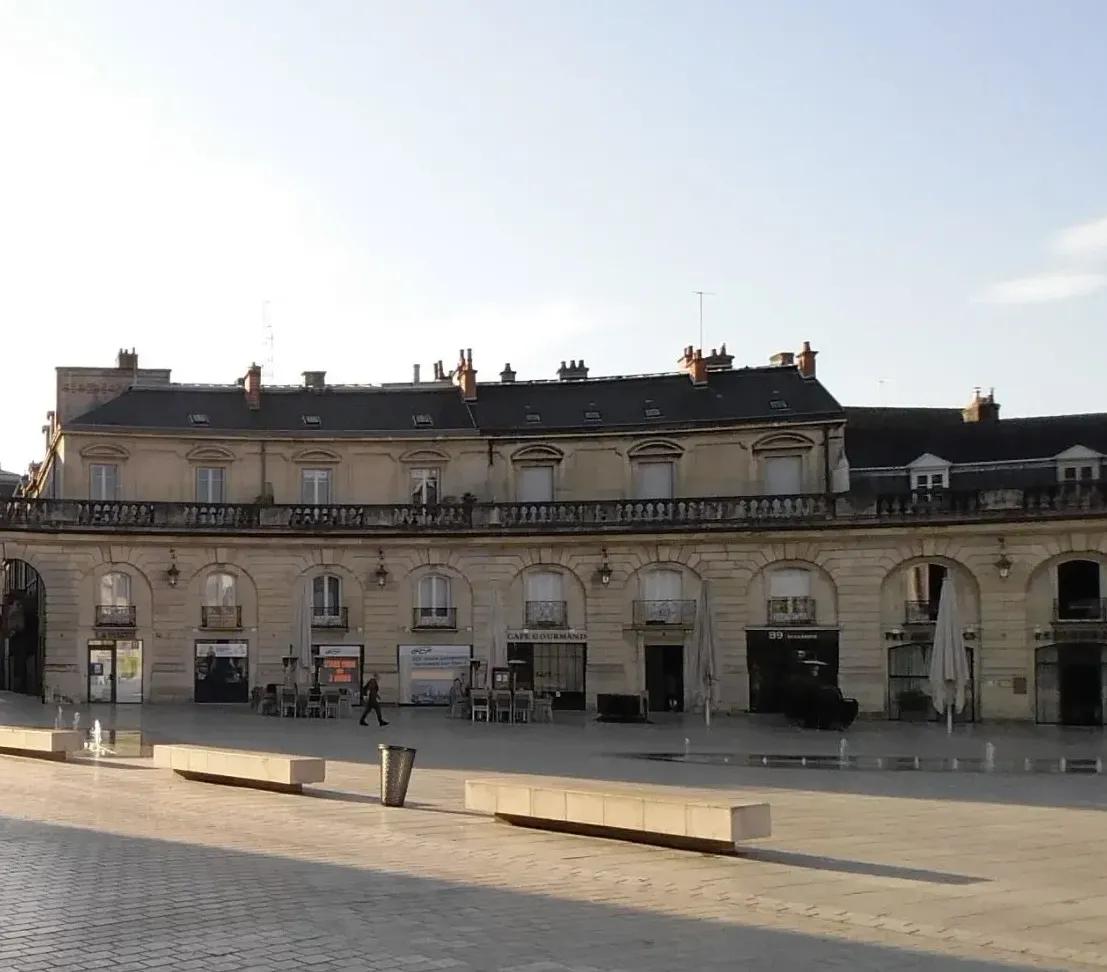
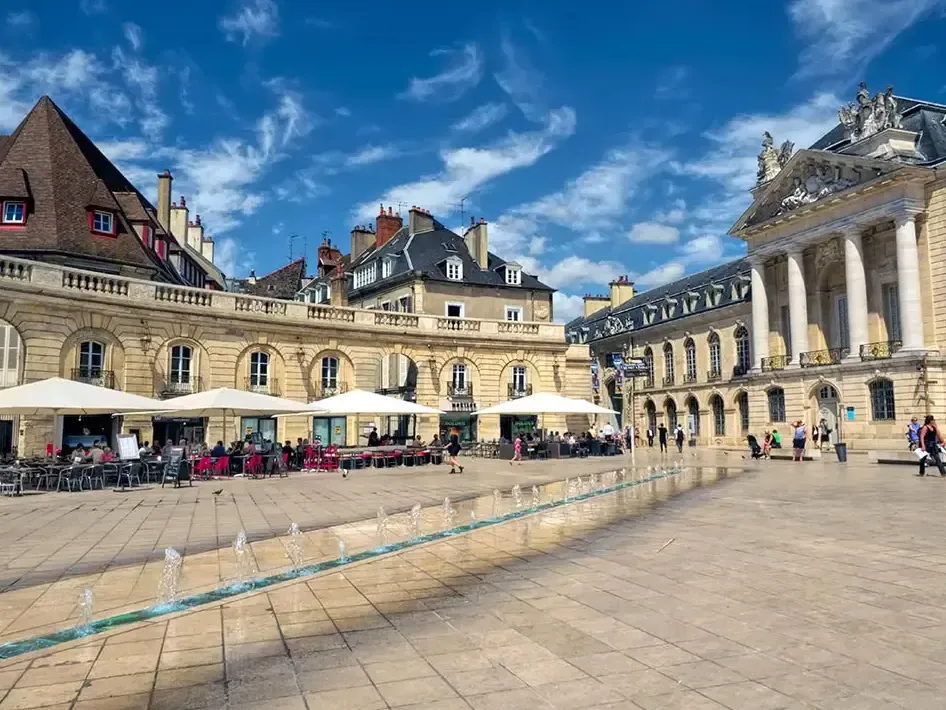
La Plaza de la Liberación es el corazón histórico y social de Dijon, una plaza semicircular del siglo XVII que evoca la grandeza real francesa con su simetría armónica y elegantes fachadas.

✓ What guidebooks don't tell you
✓ Secrets other tourists miss
✓ Listen while you explore
Discover everything
00:00
00:00

📖 Audio Guide Chapters

6 chapters

1. Welcome to Place de la Liberation

🔒 Premium Content

Subscribe to access all chapters of this audio guide.

2. The Architecture of Place de la Liberation

🔒 Premium Content

Subscribe to access all chapters of this audio guide.

3. History and Figures of Place de la Liberation

🔒 Premium Content

Subscribe to access all chapters of this audio guide.

4. Art and Details of Place de la Liberation

🔒 Premium Content

Subscribe to access all chapters of this audio guide.

5. Secrets and Curiosities

🔒 Premium Content

Subscribe to access all chapters of this audio guide.

6. Farewell and Recommendations

🔒 Premium Content

Subscribe to access all chapters of this audio guide.

❓ Frequently Asked Questions

When can you visit Place de la Liberation and how do you get there?

Place de la Liberation is a public square open 24 hours a day. It is located in the heart of Dijon, a 10-minute walk from the train station. You can easily get there by public transport using lines L4, L5, or DiviaMob (check schedules here).

Do you need to pay an entrance fee to visit the square?

No, access to Place de la Liberation is completely free, as it is an open public space. You would only pay if you visit the Palace of the Dukes of Burgundy located on one side of the square.

How much time is recommended for the visit?

We recommend between 30 and 45 minutes to appreciate the architecture, take photographs, and relax by its fountains. If you also include the Palace of the Dukes or the Museum of Fine Arts, allow an additional 2 to 3 hours.

What historical importance does this square have?

Designed by Jules Hardouin-Mansart, the architect of Versailles, in 1685, it was a key setting for the power of the Dukes of Burgundy. Its unique semicircular shape symbolized the relationship between the people and ducal power. Today, it stands as a symbol of the liberation of Dijon in 1944.

What is the best time to visit?

Spring or autumn in the morning hours, from 9 to 11 AM, to enjoy soft light and fewer crowds. On Thursdays and Saturdays there is a local market, ideal for experiencing Burgundian culture. Avoid July and August because of the tourist crowds.

Is it accessible for people with reduced mobility?

Yes, the square has level access, although it does have historic cobblestones. We recommend checking alternative routes on Dijon’s accessibility map (available here) or calling +33 800 21 3000 for assistance.

What other tourist sites are nearby?

Less than a 5-minute walk away you will find the Palace of the Dukes of Burgundy, the Museum of Fine Arts, Rue des Forges with its medieval architecture, the Hotel de Vogue, and the Church of Notre-Dame. The Owl Trail passes through here.

What practical advice would you give for the visit?

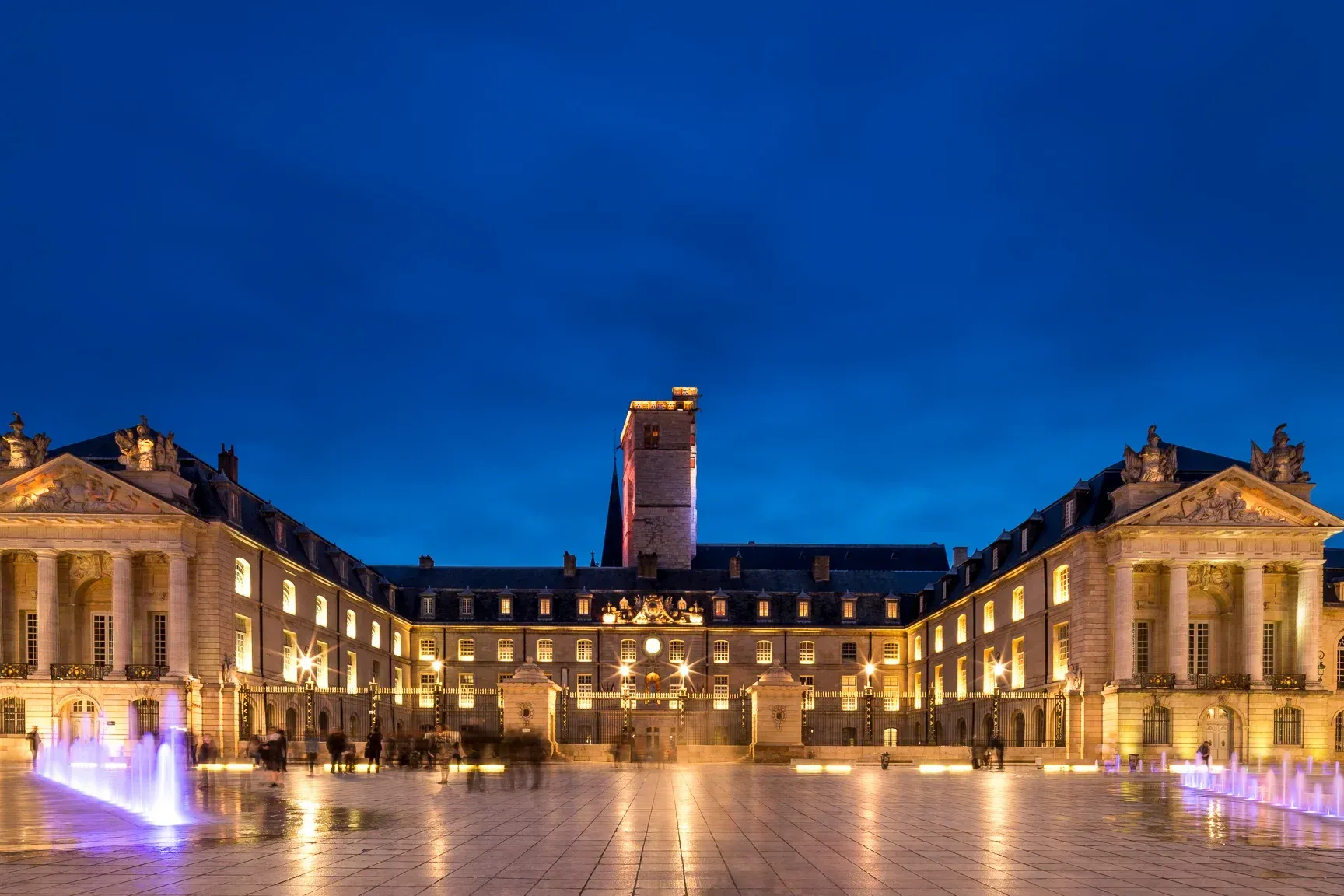
1) Wear comfortable shoes because of the cobblestones, 2) Wait for the bell tower of Notre-Dame, 200 meters away, to hear the Jacquemart on the hour, 3) At night, the fountains and buildings are spectacularly illuminated, 4) Combine your visit with a wine tasting on nearby Rue Verrerie.

¿Prefieres escuchar en español?

🇪🇸 Escucha la audioguía de Place de la Liberation en español