No te vayas sin conocer la historia Suscribete
IAudioGuia iaudioguia
Audio Guides of Besancon

Audio Guide of Porte Noire

Un arco romano que casi acaba en escombros en 1847, salvado por la pluma furiosa de Víctor Hugo: ¿su secreto oscuro?

✓ What guidebooks don't tell you
✓ Secrets other tourists miss
✓ Listen while you explore
Discover everything
00:00
00:00

📖 Audio Guide Chapters

6 chapters

1. The Day Victor Hugo Became a Roman Superhero

🔒 Premium Content

Subscribe to access all chapters of this audio guide.

2. Detectives in the Cracks: What These Stones Whisper

🔒 Premium Content

Subscribe to access all chapters of this audio guide.

3. Imperial Loves and Stabs in the Back

🔒 Premium Content

Subscribe to access all chapters of this audio guide.

4. The Crazy Fact That Will Make You Laugh at Dinner

🔒 Premium Content

Subscribe to access all chapters of this audio guide.

5. Eagle Eyes: Marks the Average Tourist Misses

🔒 Premium Content

Subscribe to access all chapters of this audio guide.

6. The Echo You Carry in Your Pocket

🔒 Premium Content

Subscribe to access all chapters of this audio guide.

❓ Frequently Asked Questions

What are the opening hours of Porte Noire and how can I access it?

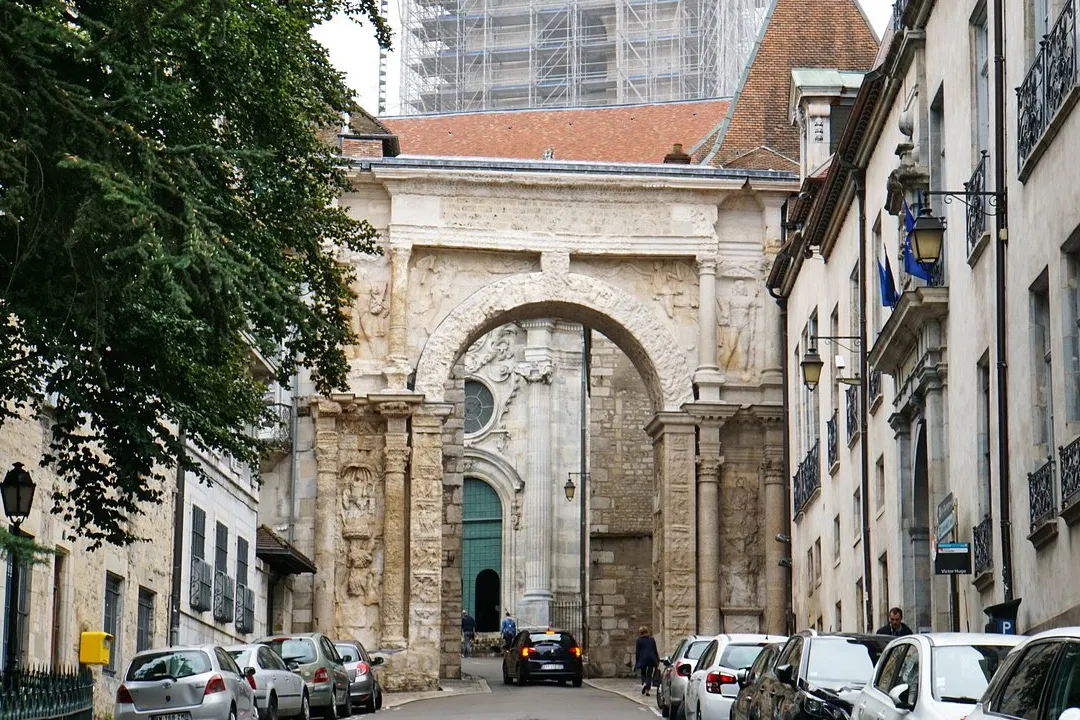
As a historic monument located on a public street (Rue de la Convention), Porte Noire is accessible **24 hours a day** all year round. You can easily reach it on foot from the city center as you head toward Saint-Jean Cathedral.

How much do tickets cost, or is there an admission fee?

The visit is completely **free**. You do not need to buy tickets or make reservations, since it is an open-air Roman triumphal arch that forms part of the freely accessible urban heritage in Besançon.

How much time is recommended for the visit?

To calmly observe the architectural details and reliefs, we recommend spending between **15 and 20 minutes**. It is a quick but rewarding stop, ideal to combine with a walk toward the Citadel or the nearby cathedral.

What is the history of Porte Noire and why is it important?

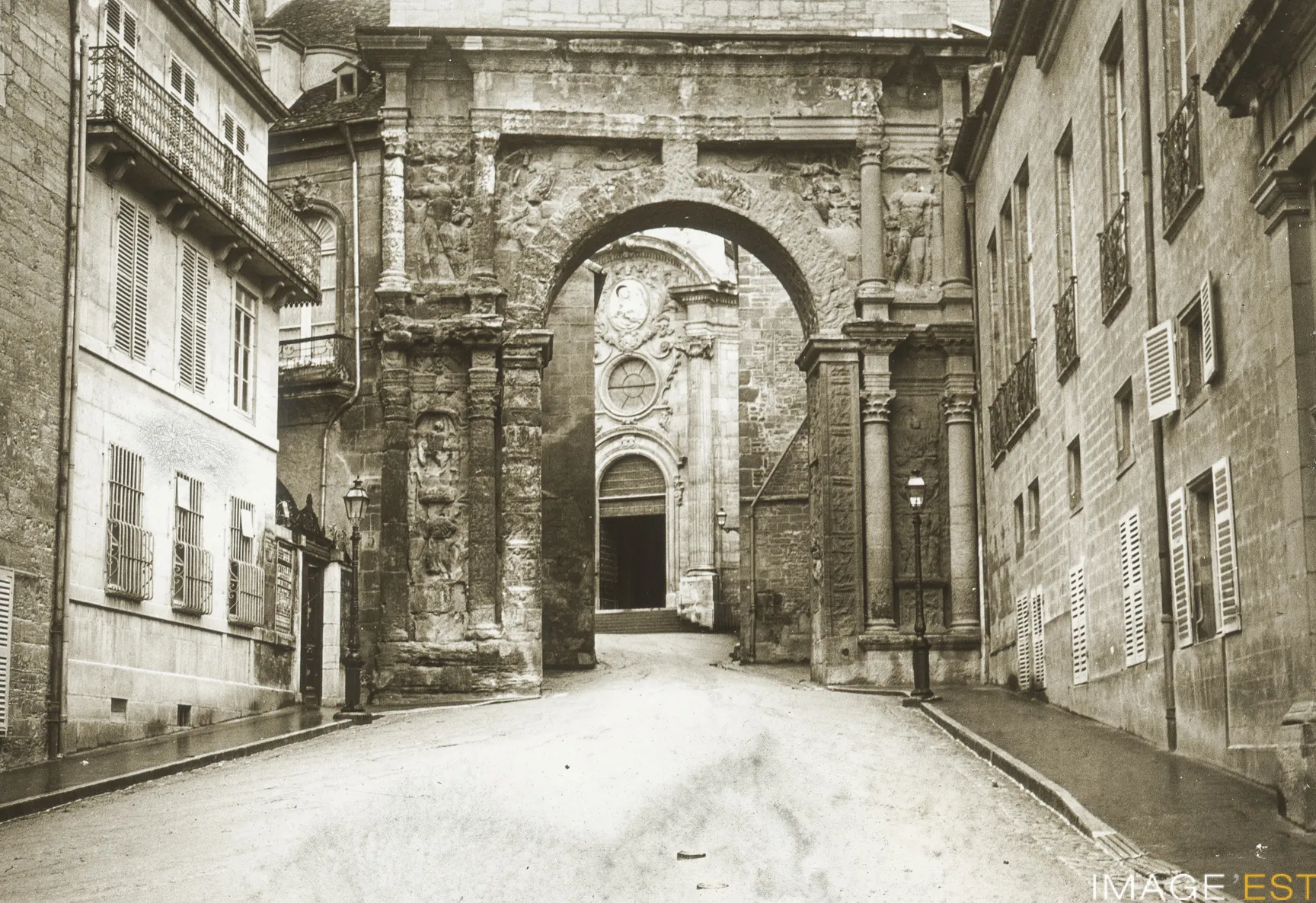
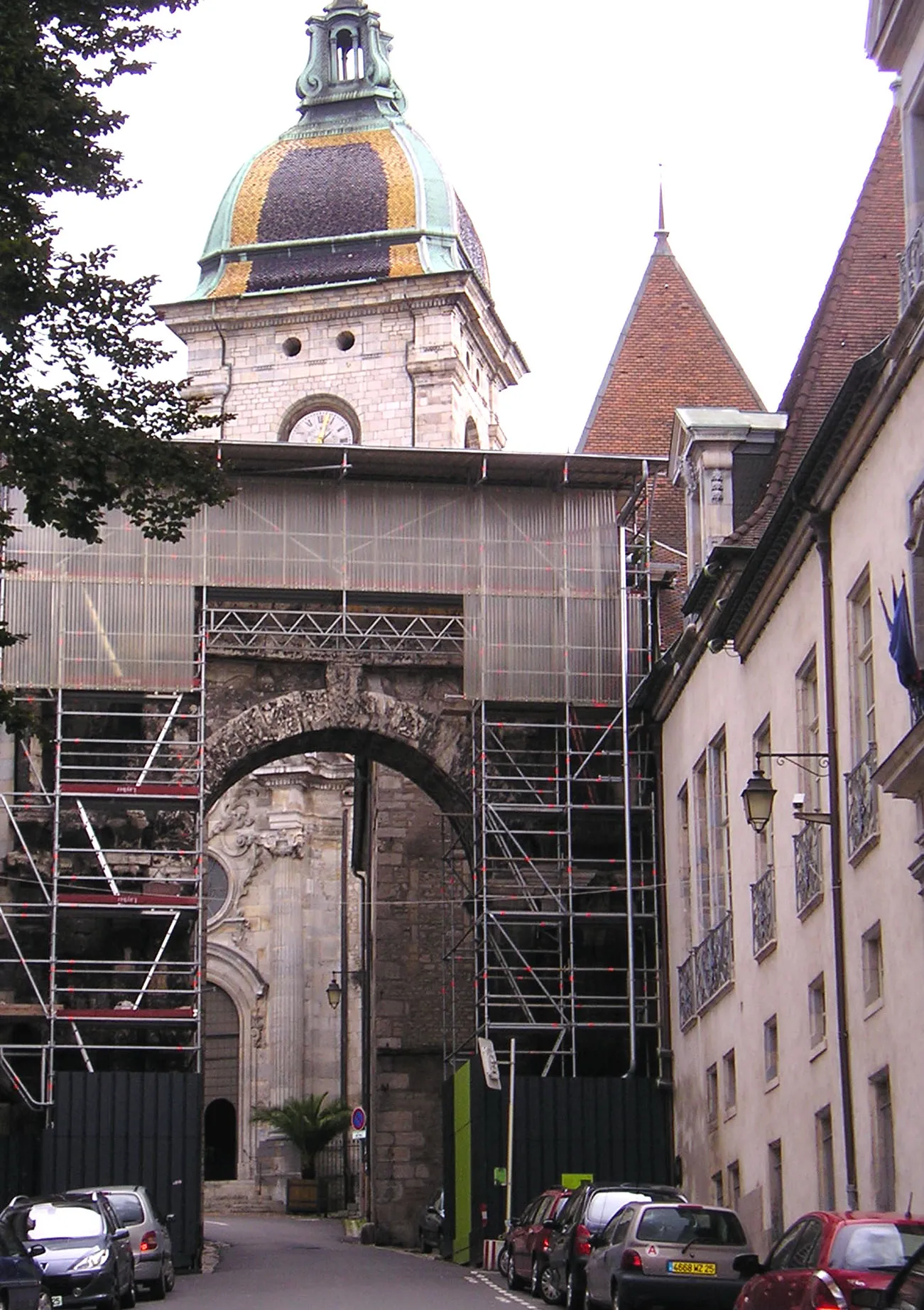
This Gallo-Roman triumphal arch dates from the 2nd century AD, probably erected in honor of Emperor Marcus Aurelius. Its importance lies in being one of the few Roman remains still standing in the region; it is called 'Black' because of the dark patina that time and oxidation formed on the stone over the centuries.

What is the best time of day or year to visit?

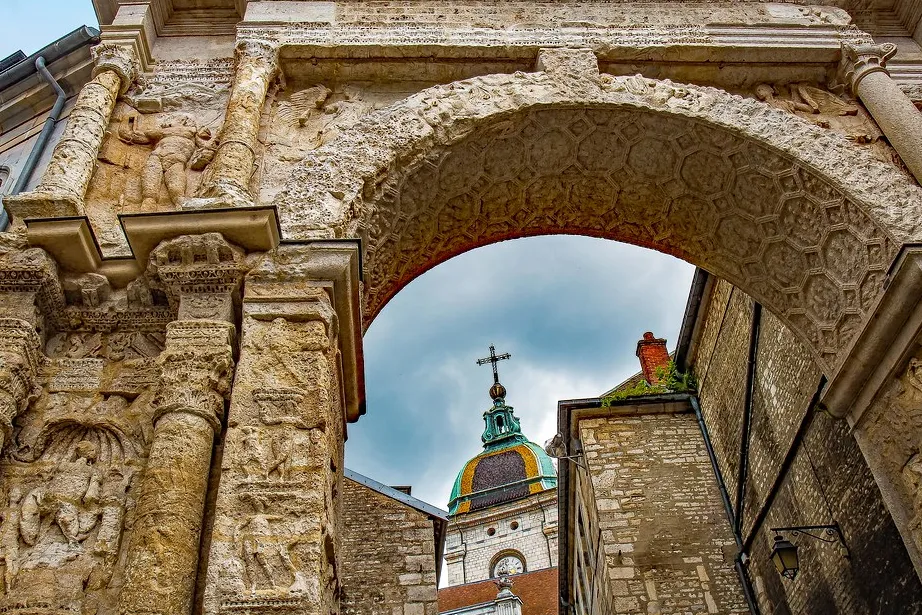
Spring and summer are ideal because of the weather, but we recommend going in the **morning or early afternoon** on a sunny day. Natural light at that time best highlights the worn reliefs in the stone, allowing you to better appreciate the carved mythological scenes.

Is the site accessible for people with reduced mobility?

Yes, the monument can be viewed from street level, which is paved and allows wheelchair access. However, keep in mind that it is located in the old town, where some nearby streets may have uneven cobblestones or gentle slopes.

What other tourist attractions can I see near Porte Noire?

It is located in a strategic spot: right next to it you will find the magnificent **Saint-Jean Cathedral** and **Square Castan** with its archaeological ruins. In addition, it is the natural starting point for the climb to the impressive Citadel of Besançon.

What practical advice would you give me to make the most of the visit?

Since the reliefs are high up and weathered, I advise you to bring binoculars or use your camera’s zoom to appreciate the figures. Also, to truly understand what you are seeing, it is vital to bring a specialized audio guide that tells you the story behind each stone.

¿Prefieres escuchar en español?

🇪🇸 Escucha la audioguía de Porte Noire en español