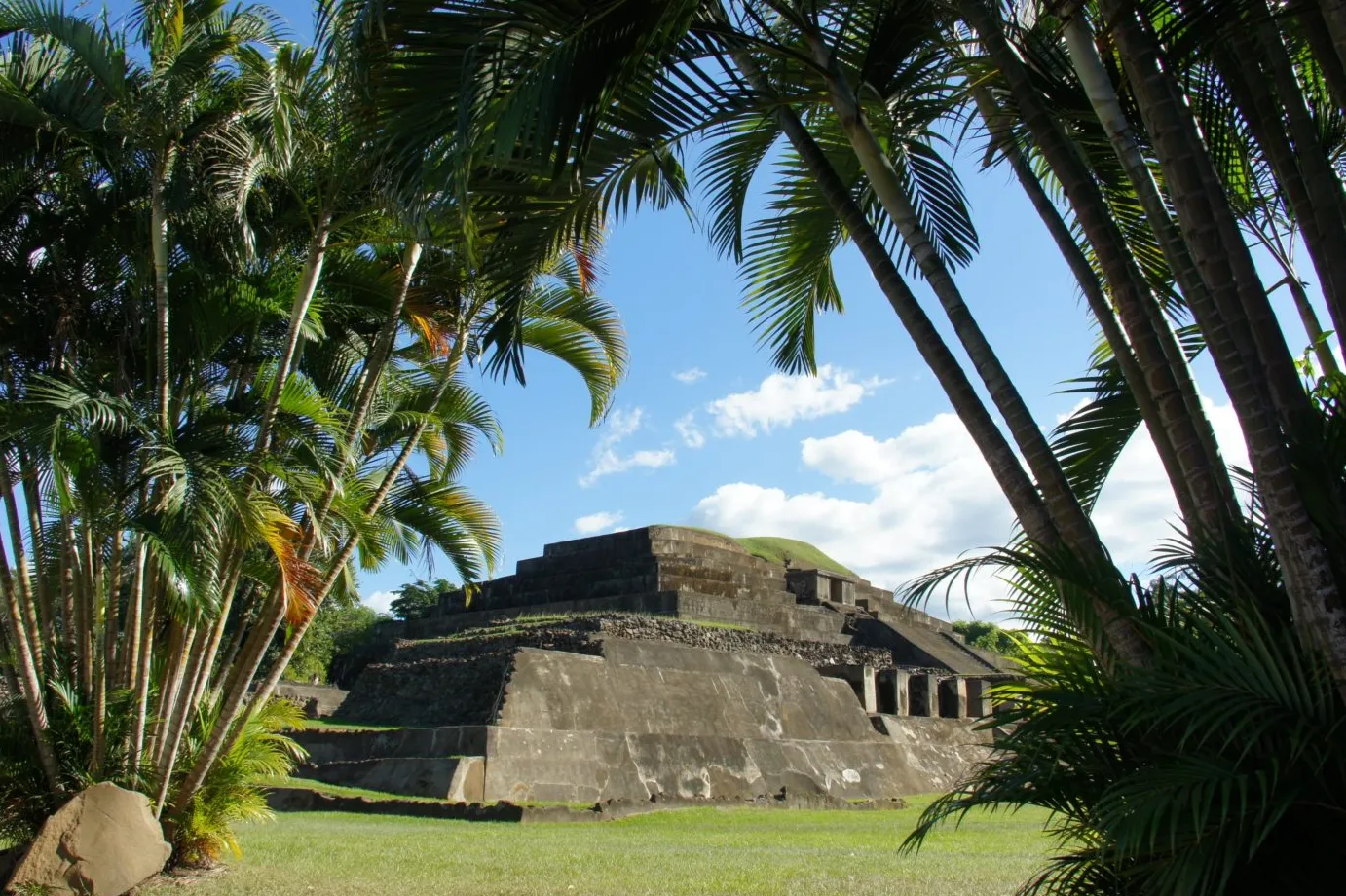
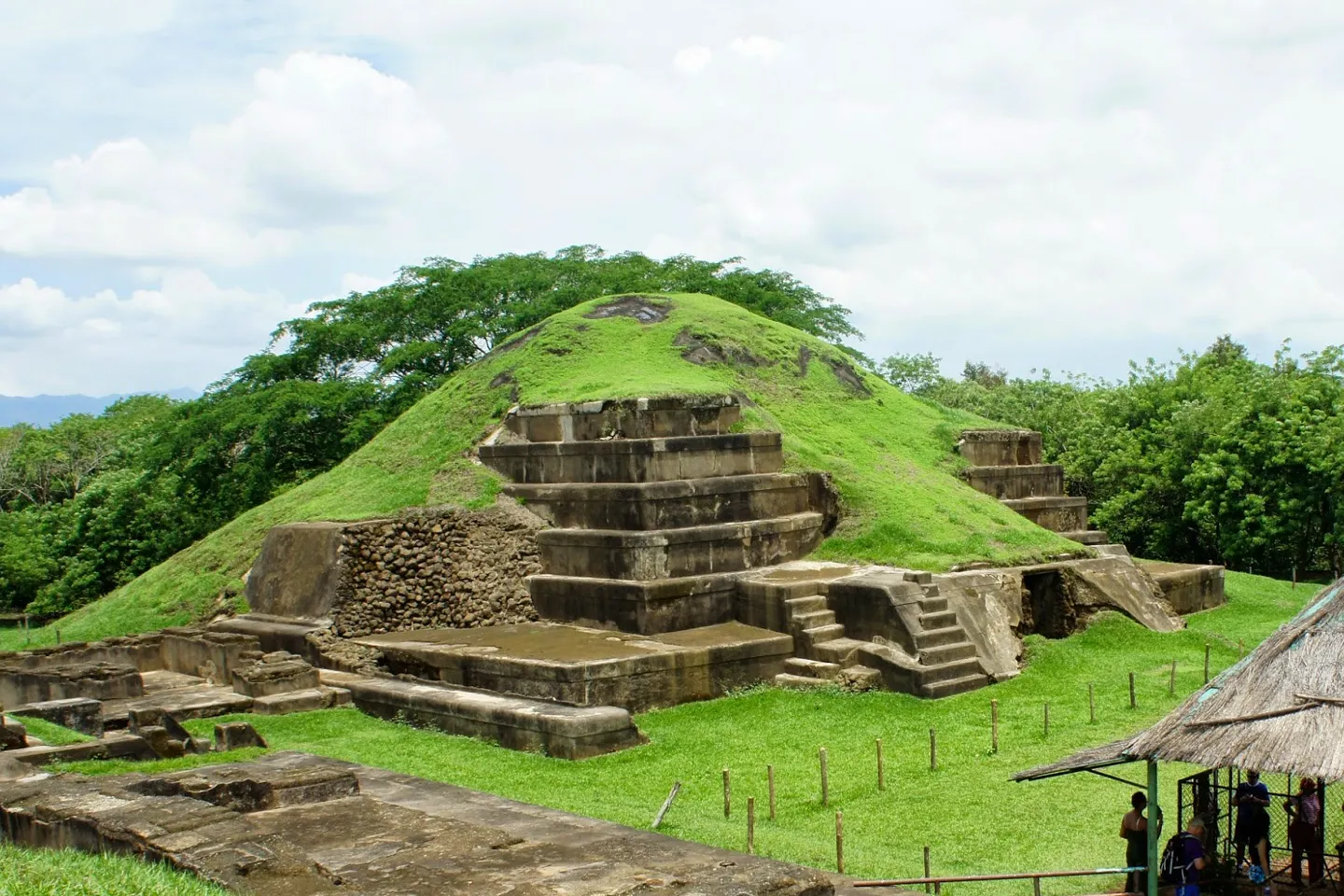
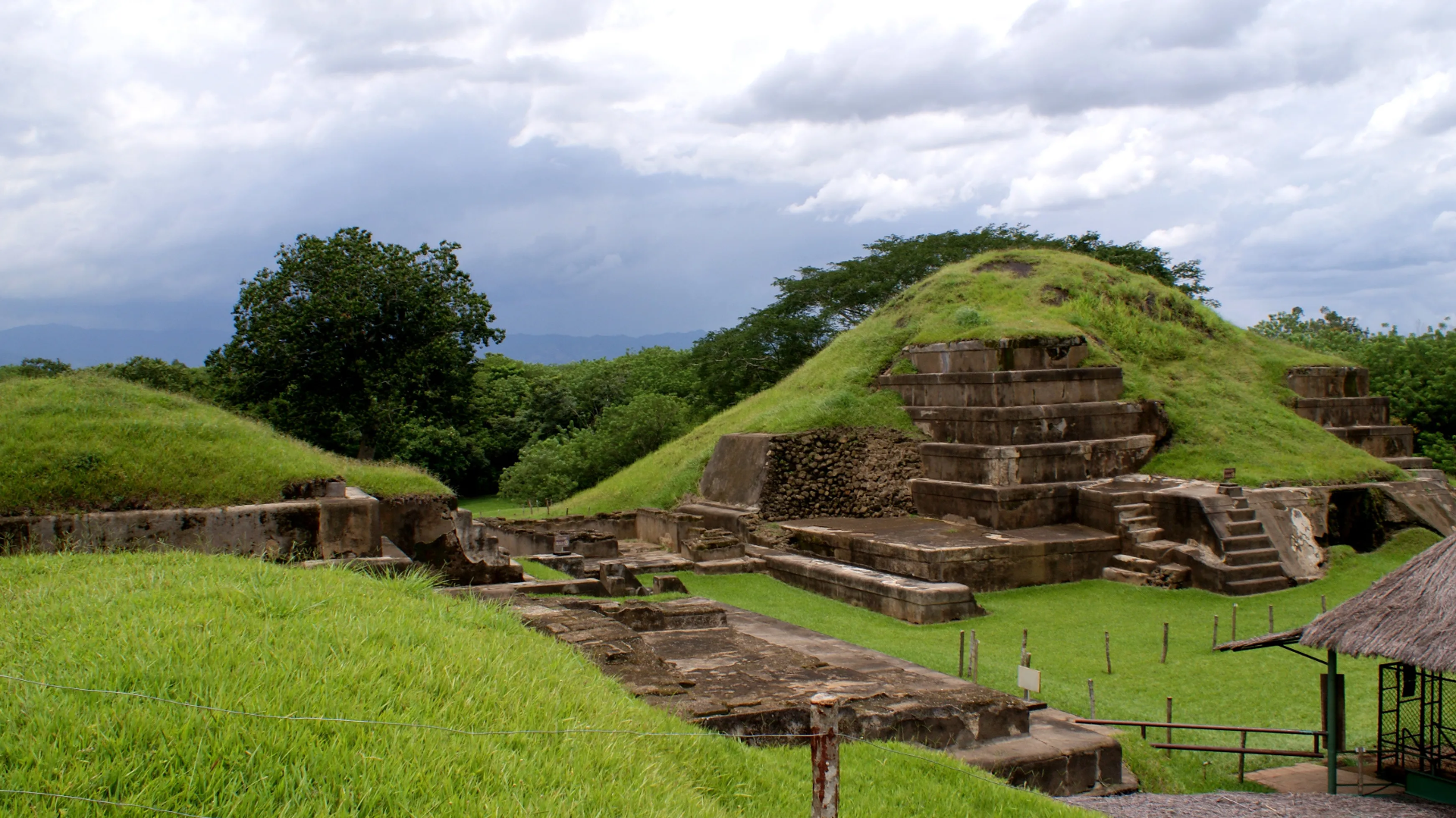
Donde un día cualquiera del año 600 quedó congelado en ceniza… y casi lo destruyen con un buldócer 14 siglos después.
The Joya de Cerén Visitor Center is generally open from Tuesday to Sunday, from 9:00 a.m. to 4:00 p.m. To get there, you can take the Pan-American Highway (CA-1) west from San Salvador, turning off at San Juan Opico. It is recommended to check current hours before your visit by calling the center directly or visiting the official Ministry of Culture page.
The general admission fee for foreign visitors is usually US$5.00, while for nationals it is US$3.00. Children under 12 and older adults may receive reduced rates or free admission, depending on nationality. It is advisable to confirm these prices at the ticket office or on the official website.
For a full experience at Joya de Cerén, including the Visitor Center, the museum, and the archaeological site, it is recommended to allow between 2 and 3 hours. This will give you time to explore the structures, read the information, and view the artifacts at a relaxed pace. If you are passionate about history, you may want to spend a little longer.
Joya de Cerén is a pre-Columbian Maya archaeological site designated as a UNESCO World Heritage Site, unique for the exceptional preservation of the everyday life of an agricultural village from around A.D. 600. It is called the 'Pompeii of the Americas' because its structures and household objects were buried and preserved by a volcanic eruption, offering an invaluable snapshot of ordinary Maya life. It is like traveling back in time!
For a more pleasant experience, it is best to visit Joya de Cerén early in the morning (9:00 a.m.) or later in the afternoon (after 2:00 p.m.) to avoid the midday heat. The dry season, from November to April, is ideal for visiting El Salvador in general, as you can enjoy clear and sunny weather. Avoid local holidays if you are looking for fewer crowds.
The Visitor Center and some areas of the Joya de Cerén archaeological site have ramps and accessible paths for people with reduced mobility. However, due to the nature of the terrain and the preserved structures, some areas may present challenges. It is recommended to contact the park staff in advance for detailed accessibility information and to plan your visit.
Absolutely! Nearby, you can visit the San Andrés Archaeological Park, another important Maya political center, and the Casa Blanca Pyramid in Chalchuapa, which features structures from the Preclassic and Early Classic periods. These sites complement the Joya de Cerén experience, revealing more about the greatness of Maya civilization in El Salvador. Do not forget to ask about local guides to make the most of these places.
For the best visit, I recommend bringing light, comfortable clothing, a hat or cap, sunscreen, and insect repellent, especially during the rainy season. Do not forget suitable walking shoes. And of course, bring a bottle of water to stay hydrated. Consider hiring a local guide at the entrance; their knowledge will greatly enrich your understanding of the site.
¿Prefieres escuchar en español?
🇪🇸 Escucha la audioguía de the Joya de Cerén Visitor Center en español