No te vayas sin conocer la historia Suscribete
IAudioGuia iaudioguia
Audio Guides of Estero Jaltepeque

Audio Guide of Estero de Jaltepeque

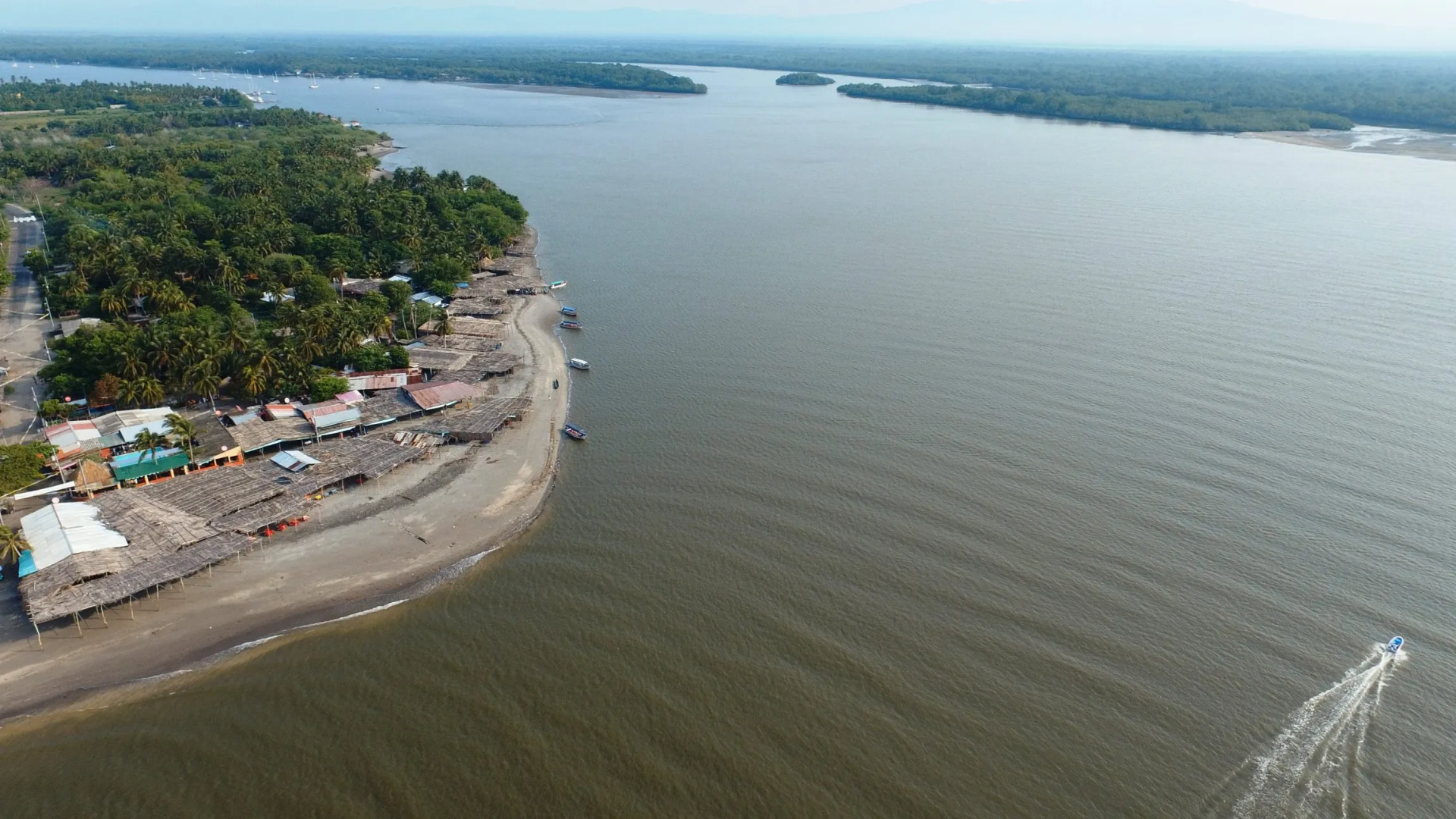
Un vasto estero costero en El Salvador, repleto de manglares, canales navegables y una explosión de vida silvestre que invita a explorar su biodiversidad única.

✓ What guidebooks don't tell you
✓ Secrets other tourists miss
✓ Listen while you explore
Discover everything
00:00
00:00
Rate this audio guide

📖 Audio Guide Chapters

6 chapters

1. Introduction and History

🔒 Premium Content

Subscribe to access all chapters of this audio guide.

2. Architecture and Design

🔒 Premium Content

Subscribe to access all chapters of this audio guide.

3. Art and Decoration

🔒 Premium Content

Subscribe to access all chapters of this audio guide.

4. Historical Figures

🔒 Premium Content

Subscribe to access all chapters of this audio guide.

5. Curiosities and Legends

🔒 Premium Content

Subscribe to access all chapters of this audio guide.

6. Cultural Importance and Legacy

🔒 Premium Content

Subscribe to access all chapters of this audio guide.

❓ Frequently Asked Questions

What time can I visit the Jaltepeque Estuary, and how do I get there?

The Jaltepeque Estuary is a natural area open to the public, so it does not have fixed opening and closing hours like a museum. However, to enjoy it fully and safely, it is best to visit during daylight hours, from sunrise to sunset. You can mainly access it from El Espino Beach by hiring boat services or local guides who will take you through its channels. There is no fixed street address to drive directly to the estuary; instead, visits are usually arranged with tour operators departing from the coastal area.

Is there an entrance fee or charge for boating through the Jaltepeque Estuary?

Access to the Jaltepeque Estuary itself is free, since it is a natural area. However, to explore it, you will need to hire a boat with a local guide, which does have a cost. Prices vary depending on the length of the tour, the size of the boat, and the tour operator. It is advisable to agree on the price before starting the tour. There are no official tickets for the estuary, only the cost of water transportation.

How much time should I set aside for my visit to the Jaltepeque Estuary to see it properly?

For a complete and relaxed experience at the Jaltepeque Estuary, I would suggest allowing at least 2 to 3 hours. That will give you enough time to move calmly through its mangroves, observe wildlife, and perhaps make a stop or two. If you are enthusiastic about photography or birdwatching, you may want to extend your visit to half a day to explore more deeply and wait for the best light.

Does the Jaltepeque Estuary have any important history or cultural significance?

The Jaltepeque Estuary is of great ecological and cultural importance to El Salvador. It is a vital mangrove ecosystem and is considered a Ramsar wetland, which means it has international importance for biodiversity conservation. It has also historically been a source of life for local communities, which depend on its fishing resources and mangrove wood, keeping traditional artisanal fishing practices alive. It is a symbol of the country’s natural wealth.

What is the best time of year and the best time of day to visit the Jaltepeque Estuary?

The best time to visit is usually during the dry season, from November to April, when the weather is more pleasant and there is less chance of rain. As for the time of day, I strongly recommend visiting the estuary early in the morning at sunrise or late in the afternoon shortly before sunset. Those times are ideal for birdwatching, when birds are most active, and for enjoying spectacular sunsets over the mangroves, with perfect light for photography.

Is the Jaltepeque Estuary accessible for people with reduced mobility or wheelchair users?

Since the Jaltepeque Estuary is mainly explored by boat, accessibility for people with reduced mobility can be challenging. Boats are not usually adapted, and boarding and disembarking may require assistance. There are no accessible boardwalks or land-based facilities in the estuary. If you have reduced mobility, I recommend contacting local tour operators in advance to ask about specific options and assistance they may be able to provide.

Besides the estuary, what else can I see or do near El Espino Beach?

Of course, El Espino Beach itself is a major attraction, ideal for relaxing, swimming, or enjoying its long sandy shoreline. Nearby, you can also visit other beaches such as Costa del Sol, known for its resorts and restaurants. You can explore small nearby fishing villages and try the delicious local cuisine based on fresh seafood. For adventure lovers, some companies also offer water sports or fishing tours.

What tips would you give me to make the most of my visit to the Jaltepeque Estuary?

To make the most of your visit, I suggest bringing sunscreen, insect repellent, a hat or cap, and sunglasses, since you will be exposed to the sun. Do not forget your camera to capture the natural beauty. Bring enough water to stay hydrated. Hiring an experienced local guide is key to learning about the flora and fauna and to finding the best birdwatching spots. And of course, bring a good pair of binoculars if you enjoy birdwatching.

¿Prefieres escuchar en español?

🇪🇸 Escucha la audioguía de Estero de Jaltepeque en español