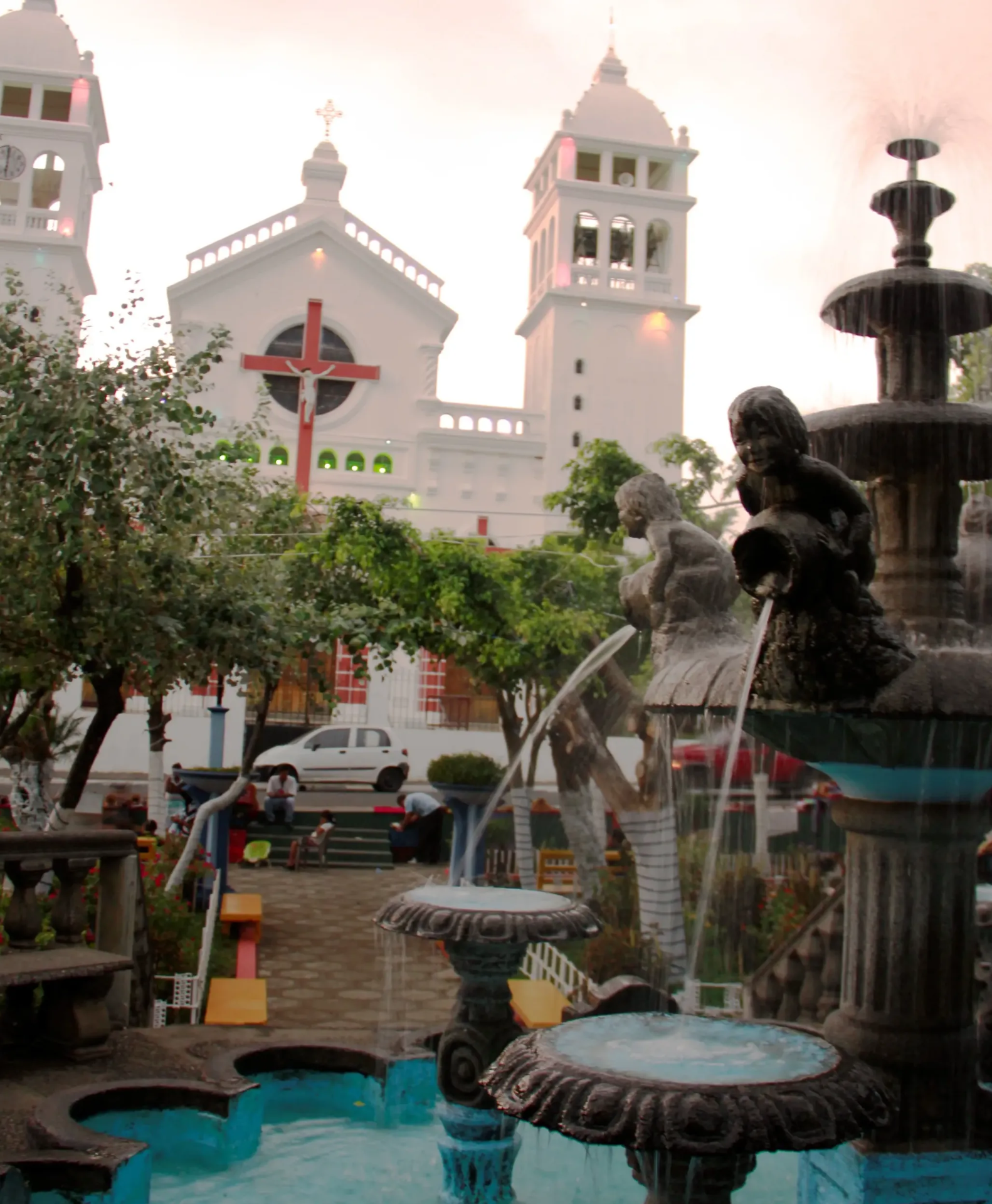
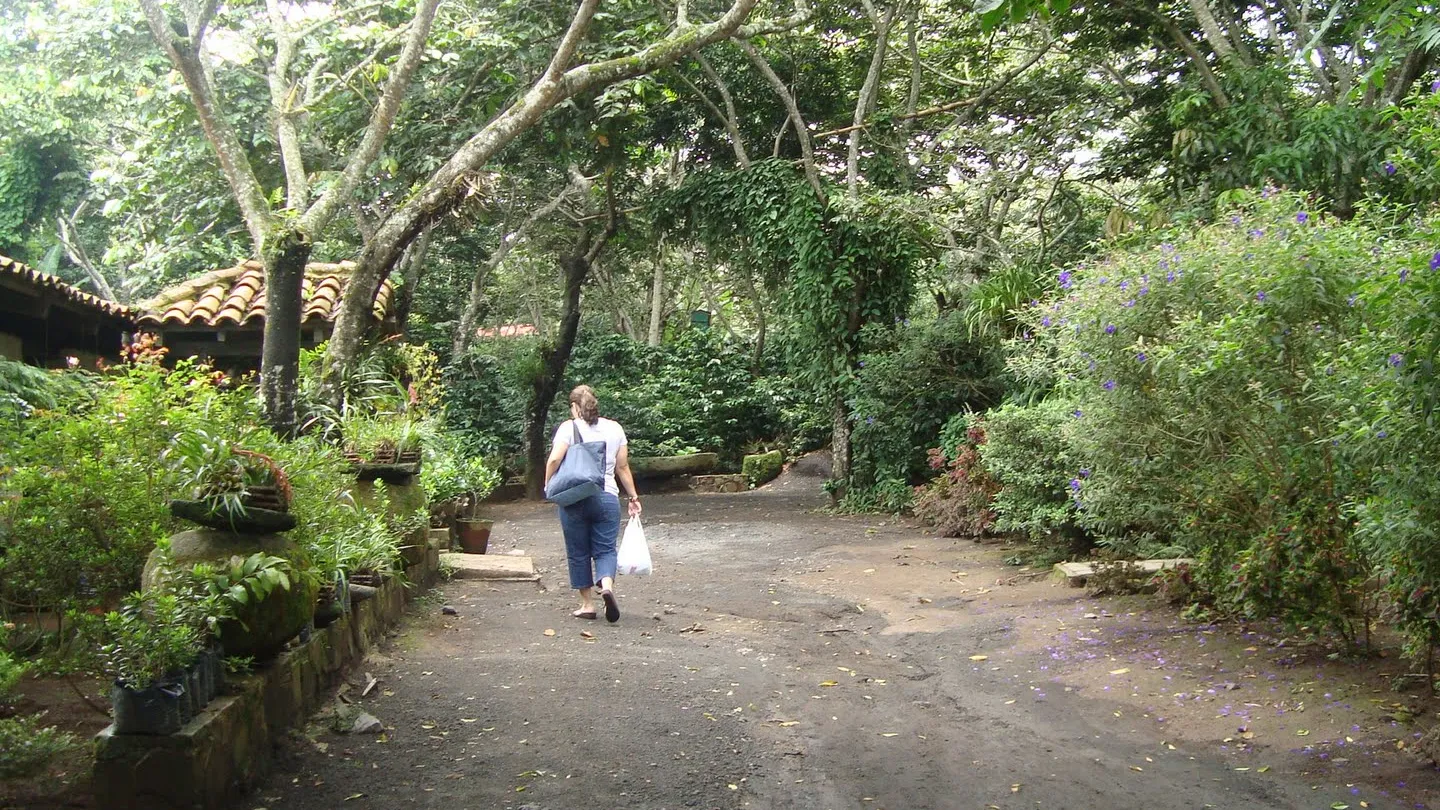
La Ruta de las Flores es un itinerario escénico de 36 kilómetros que serpentea por las frescas tierras altas de El Salvador, conectando siete pueblos coloniales llenos de historia, naturaleza y tradiciones vivas. Enfocada en Apaneca, ofrece paisajes de cafetales, miradores y arquitectura pintoresca.
The Flower Route is a scenic journey connecting several towns such as Apaneca, Concepción de Ataco, and Juayúa. Opening hours vary by establishment (restaurants, shops, and specific attractions), but they generally open from morning until late afternoon or evening, especially on weekends. You can access the route by private vehicle, organized tours, or intercity public transportation connecting the municipalities. We recommend checking the specific opening hours of the places you plan to visit when organizing your trip. You can find more information on how to get there on the official El Salvador tourism website.
Exploring the Flower Route itself is free, as it is a circuit of interconnected towns. However, you will incur costs if you choose to visit specific attractions within each town (such as coffee farms, museums, or waterfalls), dine in restaurants, buy handicrafts, or take part in activities such as coffee tours. Most of the towns offer a wide range of options for every budget. I suggest bringing cash, as not all places accept cards.
To fully enjoy the Flower Route, I recommend setting aside at least one weekend (2 full days). This will allow you to leisurely explore two or three towns, enjoy the local cuisine (such as Juayúa’s famous weekend food market), visit coffee farms, and appreciate the handicrafts and landscapes. If you have less time, one day will allow you to visit one or two main towns, such as Apaneca and Ataco, but you will need to choose carefully.
The towns of the Flower Route, such as Apaneca, Ataco, and Juayúa, have deep cultural and historical significance. They are colonial towns with picturesque architecture, old churches, and pre-Columbian Indigenous roots. Apaneca, for example, is known for its coffee-growing tradition and cool climate. Many of these towns were important agricultural centers, and their history is tied to coffee production, influenced by Pipil culture. Walking through their streets is like traveling back in time and offers a chance to appreciate El Salvador’s living heritage.
The best time to visit the Flower Route is during the dry season, between November and April, when the weather is cooler and more pleasant and there is less chance of rain. From May to October is the rainy season, although rainfall usually comes in the afternoon and does not prevent you from enjoying the day. As for the time of day, I recommend starting your journey in the morning to make the most of the sunlight, avoid the midday heat, and have enough time to explore each town before nightfall. Weekends usually have a livelier atmosphere and more activities, especially the food markets.
Some of the towns along the Flower Route, such as Ataco, have made efforts to improve accessibility in their central areas with more even sidewalks and ramps in some public buildings and businesses. However, because of the colonial and mountainous nature of the area, many places still have uneven cobblestones and changes in elevation, which can make mobility difficult for wheelchair users or people with limited mobility. It is recommended to contact the specific establishments you wish to visit to confirm accessibility or to plan your route in advance.
Near the Flower Route, you have several interesting options. You can visit the Juayúa Waterfalls, explore the Lagoon of the Nymphs near Apaneca, or head to the Santa Teresa Hot Springs for a relaxing day. There is also Santa Ana Volcano, ideal for a hike and panoramic views, and considered the highest in El Salvador. If you enjoy coffee, there are numerous farms where you can learn about the process. You can find more information about nearby attractions on TripAdvisor.
To make the most of your visit, I recommend wearing comfortable shoes for walking on cobblestone streets, light clothing during the day, and a sweater for the cool evenings, as the altitude can lower the temperature. Don’t forget sunscreen, insect repellent, and a camera to capture the colorful scenery. It is advisable to bring cash, as not all places accept cards. And, of course, be open to trying the local cuisine, especially on weekends in Juayúa, and interacting with the friendly locals. It is always a good idea to check the weather conditions before you go.
¿Prefieres escuchar en español?
🇪🇸 Escucha la audioguía de Flower Route en español