No te vayas sin conocer la historia Suscribete
IAudioGuia iaudioguia
Audio Guides of Suez

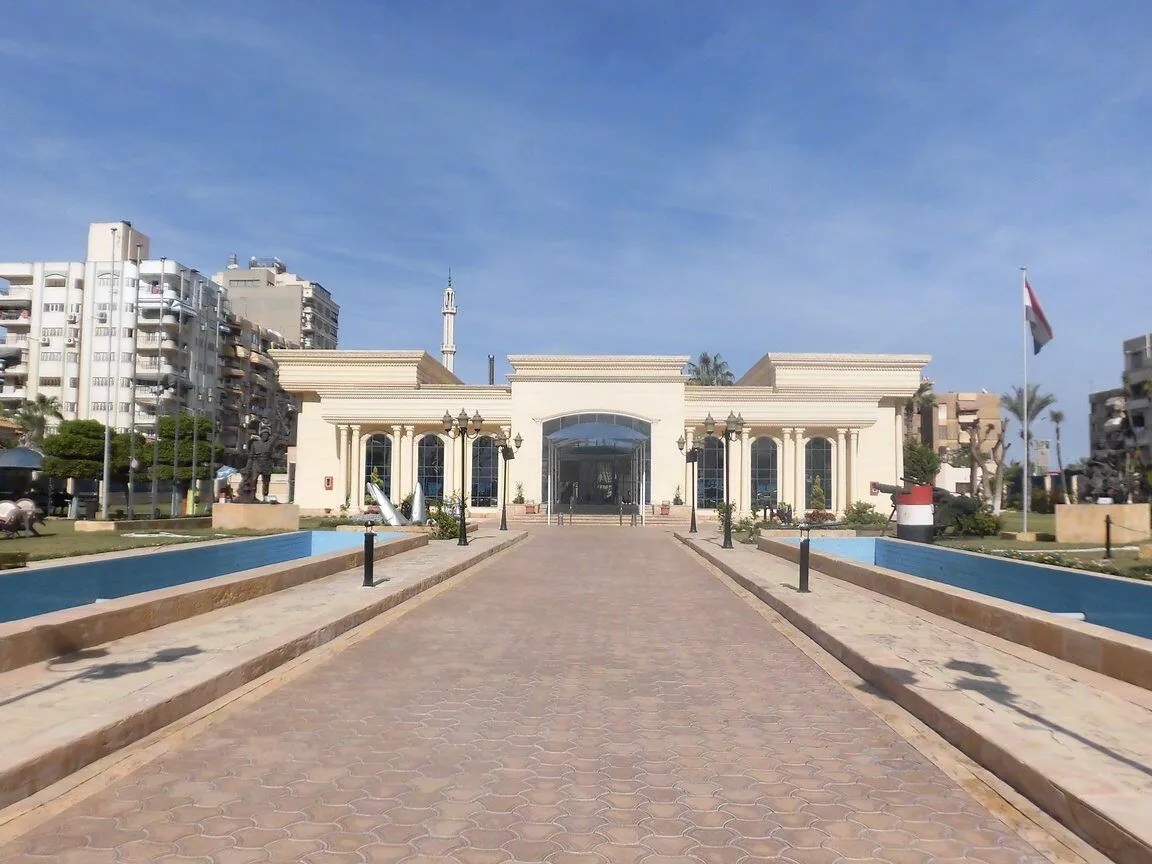
Audio Guide of the National Museum of Suez

¿Sabías que un faraón de 3 metros y medio custodiaba el desierto antes de que el Canal de Suez lo desenterrara? Ven, te cuento los secretos que nadie más sabe.

✓ What guidebooks don't tell you
✓ Secrets other tourists miss
✓ Listen while you explore
Discover everything
00:00
00:00
Rate this audio guide

📖 Audio Guide Chapters

6 chapters

1. The Pharaoh Who Came Out of the Desert Angry

🔒 Premium Content

Subscribe to access all chapters of this audio guide.

2. Stones That Hold the Echoes of Furious Governors

🔒 Premium Content

Subscribe to access all chapters of this audio guide.

3. Forbidden Loves and Betrayals in the Galleries

🔒 Premium Content

Subscribe to access all chapters of this audio guide.

4. Curiosities That Will Make You Laugh at Dinner

🔒 Premium Content

Subscribe to access all chapters of this audio guide.

5. Details That 99% of Visitors Miss

🔒 Premium Content

Subscribe to access all chapters of this audio guide.

6. The Soul of Suez You Carry Like a Tattoo

🔒 Premium Content

Subscribe to access all chapters of this audio guide.

❓ Frequently Asked Questions

What are the opening hours of the National Museum of Suez and how can I get there?

The museum is open from Tuesday to Sunday, from 9:00 AM to 4:00 PM, and remains closed on Mondays. To get there, you can take a taxi from central Suez or use public transport; the address is 1 Port Said Street, Suez. More details can be found on the official Egyptian Ministry of Tourism website.

How much is admission to the National Museum of Suez and do I need to book?

Admission costs around 50 Egyptian pounds (EGP) for adults, with discounts for students and children; it is free for Egyptian citizens. Advance booking is not required, but it is recommended to buy your ticket at the box office. Check updated prices on the TripAdvisor profile.

How much time is needed to visit the National Museum of Suez?

It is recommended to set aside at least 1 to 2 hours to explore the main exhibitions without rushing. If you are especially interested in the detailed history of the Suez Canal, you could extend your visit to 2.5 hours. Plan according to your pace so you do not get tired.

What is the historical importance of the National Museum of Suez?

The museum highlights the history of the Suez Canal, from its construction in the 19th century to its role in global trade and key events such as the Sinai War. It houses Pharaonic, Roman, and modern artifacts that illustrate the cultural evolution of the region. It is a treasure for understanding the canal’s impact on Egypt and the world.

What is the best time to visit the National Museum of Suez?

The best period is from October to April, when the weather is milder and less hot in Suez. Aim for early mornings to avoid the midday heat and crowds. Avoid weekends if you are looking for a quieter visit.

Is the National Museum of Suez accessible for people with reduced mobility?

Yes, the museum has ramps at the main entrances and elevators to access the upper galleries, although some older areas may have limitations. It is recommended to call ahead at +20 19636 for personalized assistance. For more information, visit the Egyptian tourism accessibility portal.

What other attractions are near the National Museum of Suez?

Nearby you will find the Great Suez Canal Museum just a few kilometers away, as well as the Port of Suez for canal views. You can also explore the beaches of Ain Sokhna, a 30-minute drive away, for a full day out. Combine it with a visit to the Sinai Desert if you have time.

What are some practical tips for visiting the National Museum of Suez?

Bring water and sunscreen, as Suez can be hot; wear comfortable shoes for walking through the galleries. Consider an audio guide to enrich the experience, available on site or through apps such as iAudioguia. Arrive early to avoid lines and respect the no-flash photography rules.

¿Prefieres escuchar en español?

🇪🇸 Escucha la audioguía de the National Museum of Suez en español