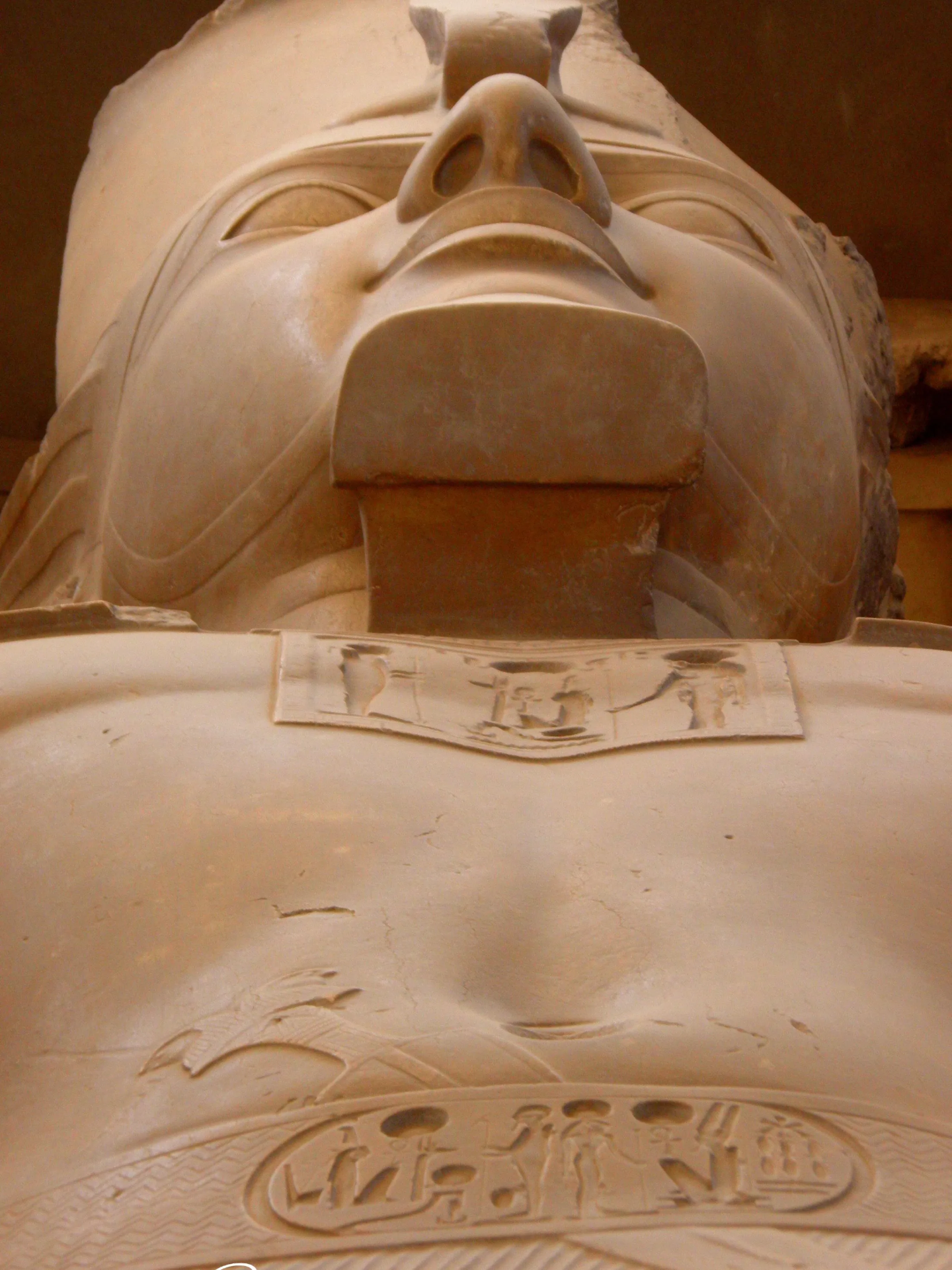
Imponente estatua colosal del faraón Ramsés II en la antigua Memphis, Egipto, símbolo de poder y grandeza del Nuevo Reino.
The Mit Rahina Museum, where the Colossus of Ramesses II is located, is usually open from 9:00 AM to 5:00 PM. To get there, the best option is to book a guided tour from Cairo or Giza, which will make transportation easier. You can also go by taxi or Uber, but make sure to agree on the price in advance.
Yes, entry to the Mit Rahina Museum requires an admission ticket. The price is usually around 150 EGP for foreign tourists. I recommend checking the official website of the Egyptian Ministry of Tourism and Antiquities for the most up-to-date pricing information: egypt.travel.
For the Colossus of Ramesses II and the rest of the Mit Rahina Museum collection, I recommend allowing between 1 and 2 hours. It is not a very large site, but the statue deserves time to be admired, and the other pieces are very interesting as well.
This colossus of Ramesses II is one of the most impressive representations of this pharaoh, one of the most powerful rulers of Egypt. It symbolizes his immense power, prestige, and divinity. It was found in Memphis, the ancient capital, and its size will leave you breathless, making it a key testament to the greatness of the New Kingdom.
The ideal time to visit Egypt is between October and April, when temperatures are milder. As for the time of day, I suggest going early in the morning, right when it opens, or late in the afternoon, before closing, to avoid crowds and the most intense heat, especially in summer.
The Mit Rahina Museum, where the colossus is located, is generally quite accessible. Most areas are flat, and ramps are available. However, it is always a good idea to contact the site in advance if you have specific needs to confirm the best access route. You can look for contact information on sites such as TripAdvisor or the official tourism website.
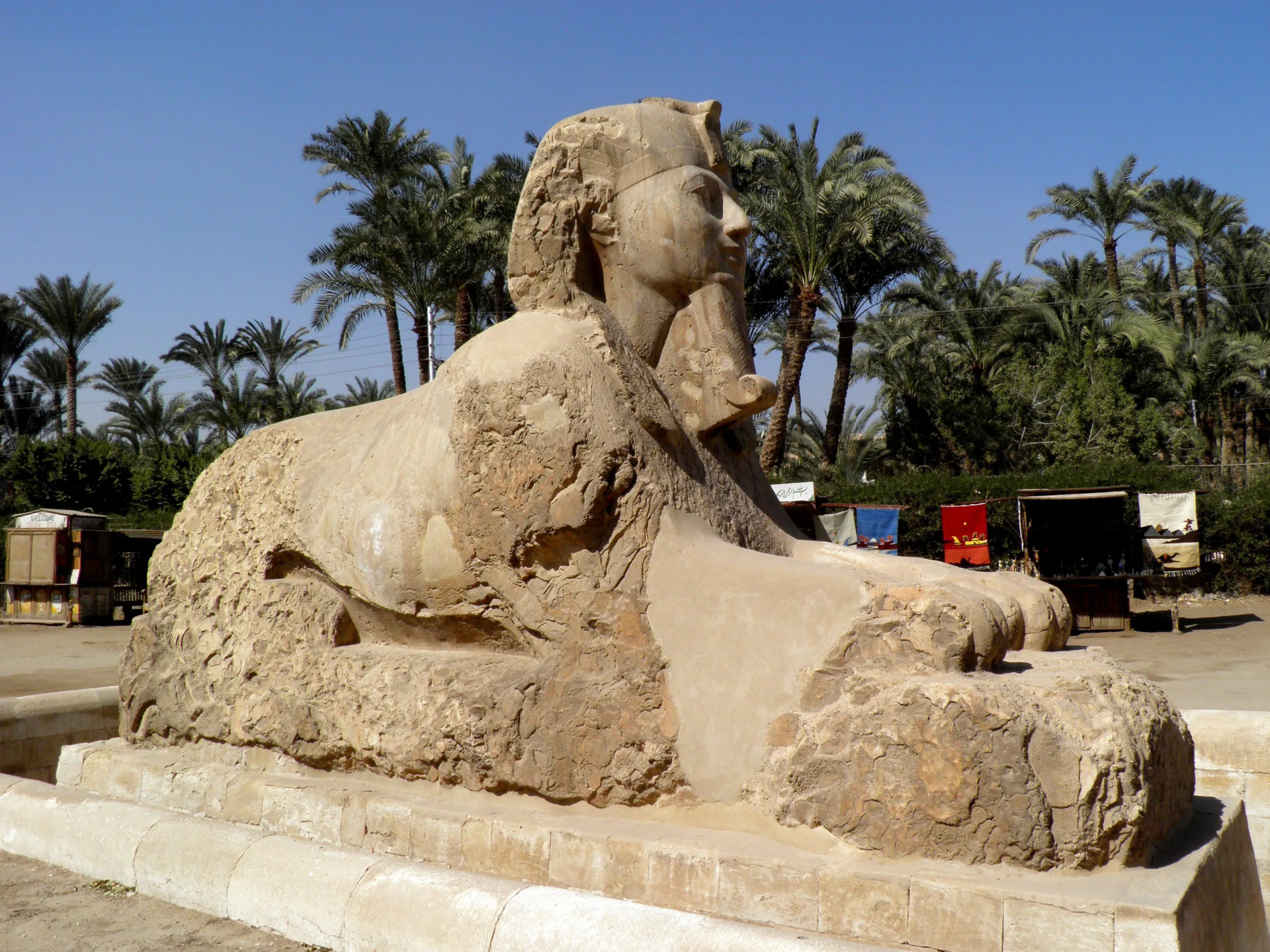
Memphis is a fascinating archaeological area. Very close to the Colossus of Ramesses II, you can visit the Alabaster Sphinx, and a few kilometers away, the Saqqara complex with the Step Pyramid of Djoser, the Mastaba of Ti, and the Serapeum. These are essential stops to complement your historical visit.
Of course! Bring water, sunscreen, and a hat, especially if you are visiting during warmer months. Consider hiring a local guide on site to better understand the history and details. Most importantly, take your time to admire the scale of the colossus and the inscriptions that accompany it. Do not forget your camera!
¿Prefieres escuchar en español?
🇪🇸 Escucha la audioguía de the Colossus of Ramesses II en español