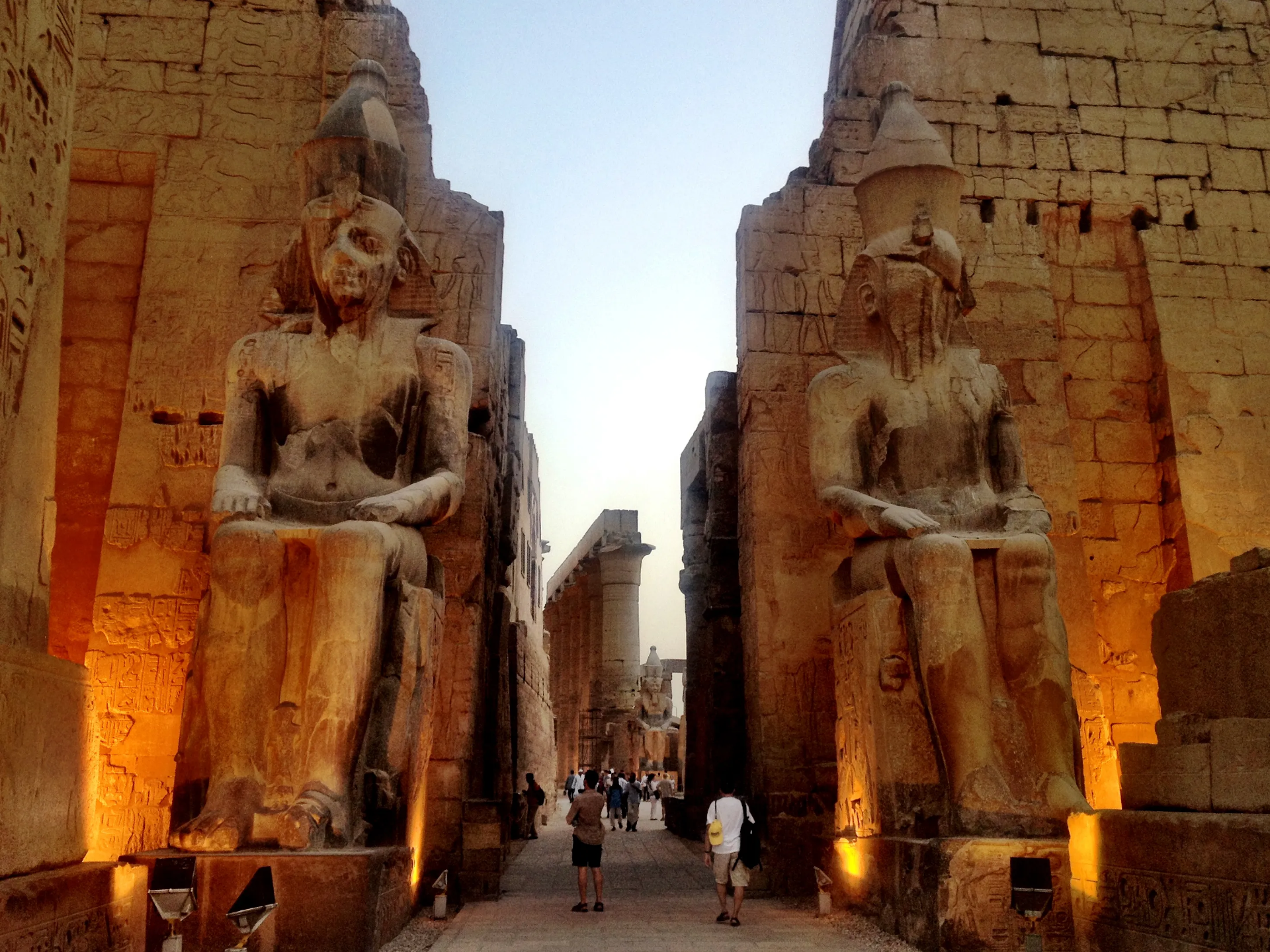
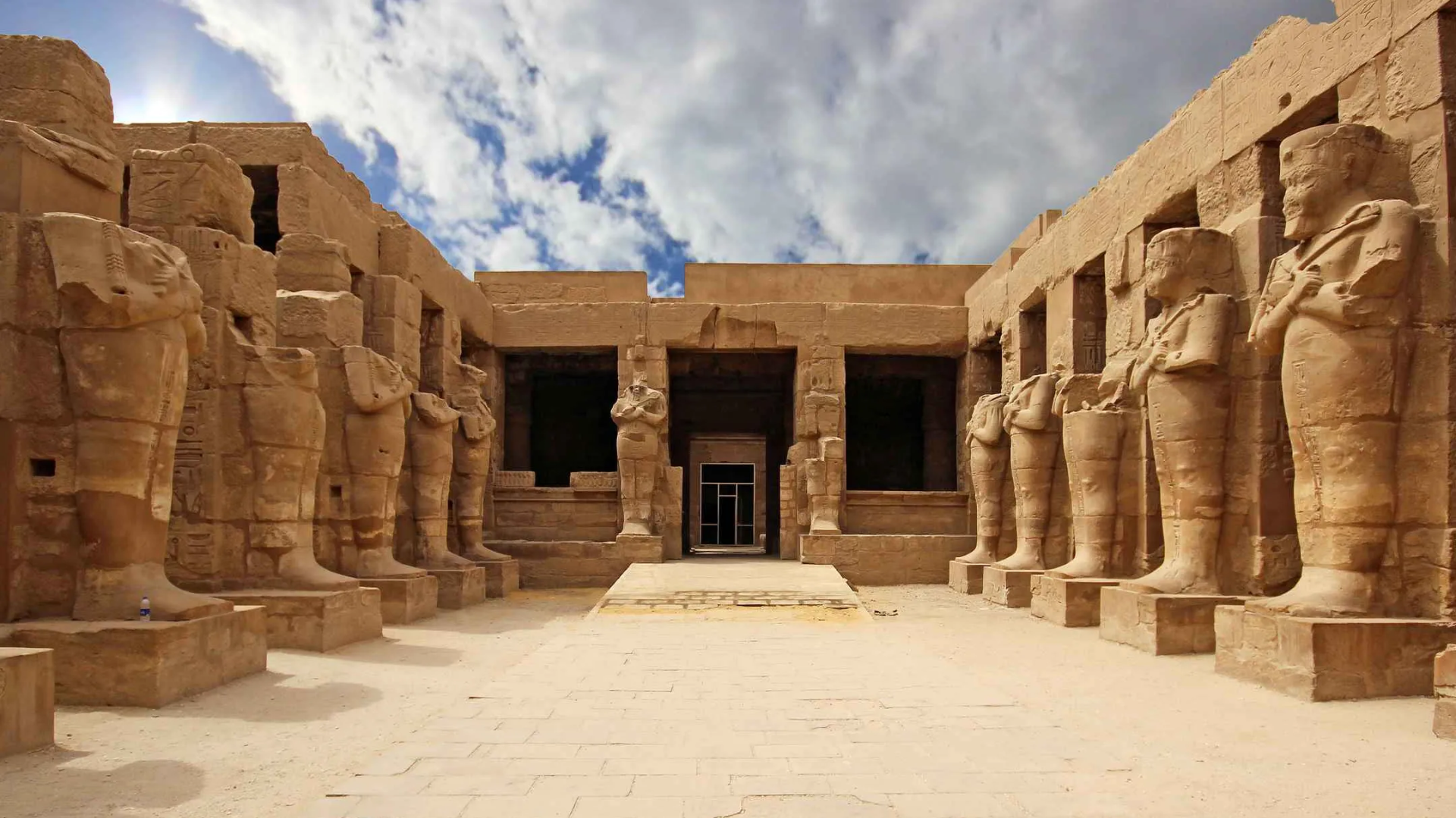
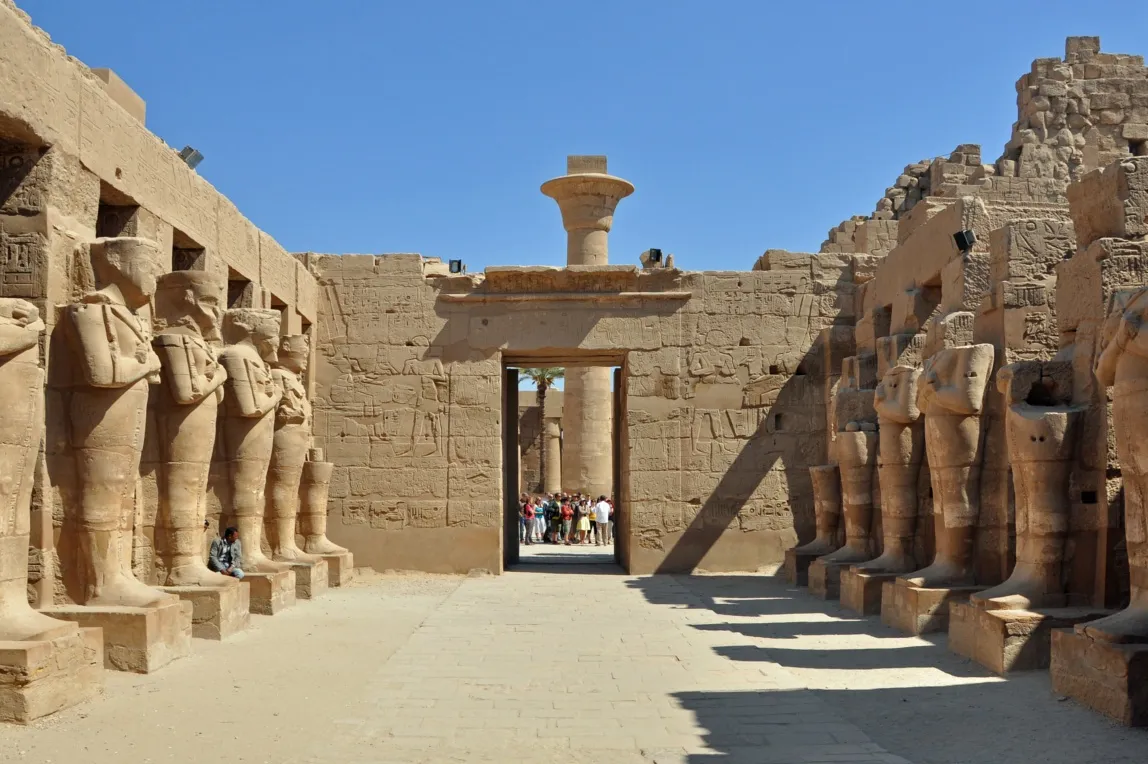
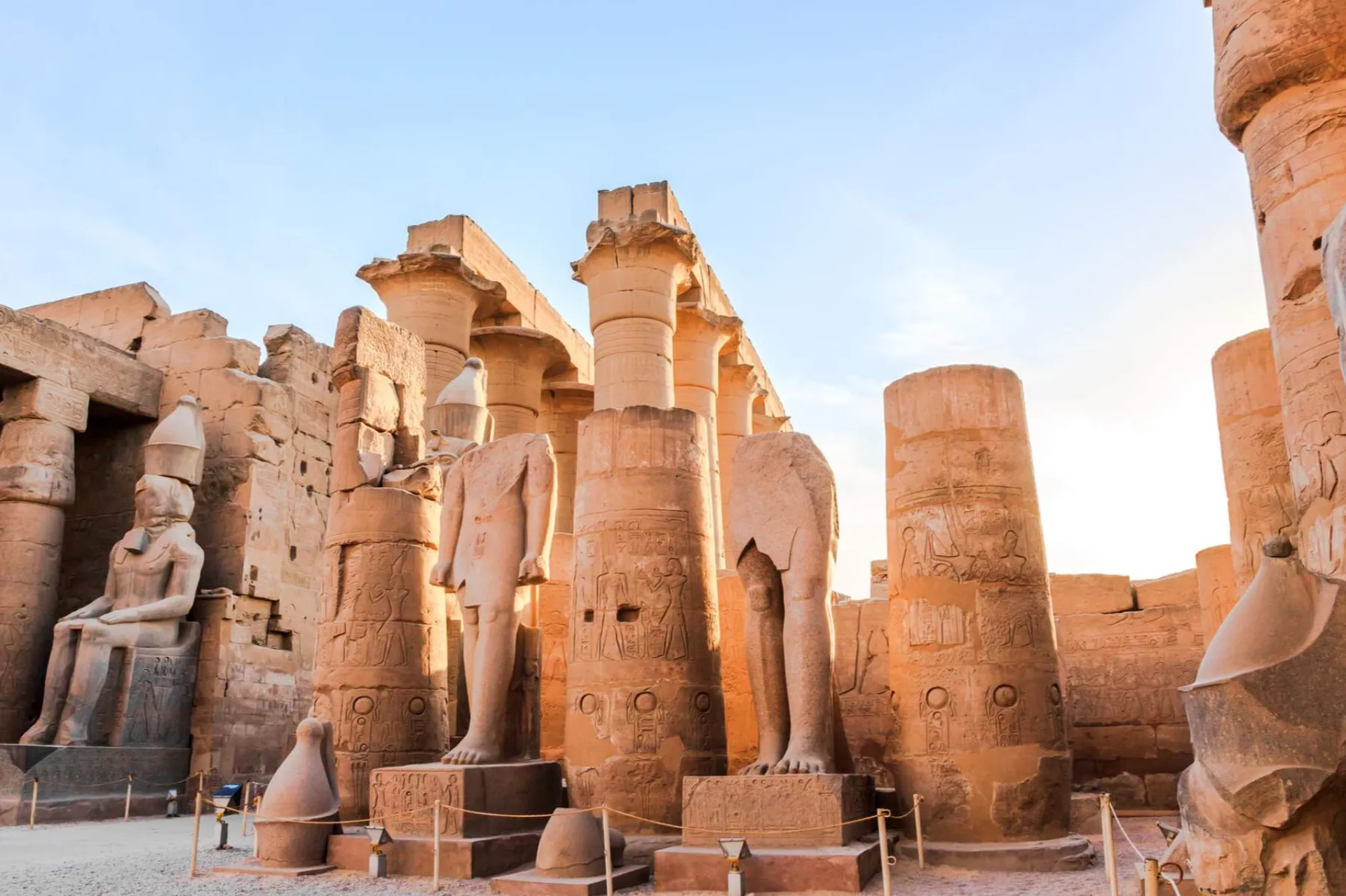
Discover Karnak Temple in Luxor. A unique experience to learn about its history and significance.
Karnak Temple usually opens from 6:00 AM to 5:30 PM. I recommend checking the exact hours before your visit, as they may vary. You can easily get there by taxi from Luxor or, if you prefer a more local experience, by horse-drawn carriage. My advice is to arrange your transportation in advance to avoid surprises. Although there is no official website showing the hours specifically, you can find general information on Egypt’s tourism website or on travel platforms.
The admission price for foreign visitors is usually around 300 EGP (Egyptian pounds). For the most up-to-date information on rates and possible discounts for students or children, I recommend asking directly at the ticket office when you arrive or at your hotel, as prices may vary. There is no official website listing ticket prices with online availability, so be prepared to buy your ticket on site.
To explore Karnak Temple at a relaxed pace and appreciate all its details, I recommend allowing at least 3 to 4 hours. It is a huge complex with a great deal to see, from the Great Temple of Amun to the Sacred Lake. You will not want to feel rushed in a place with so much history.
Karnak Temple is not just a temple; it is a vast religious complex built over more than 2,000 years, serving as the center of worship for the god Amun during the New Kingdom. Its significance lies in being one of the largest religious complexes in the world and a monumental testament to the piety and power of the Egyptian pharaohs. It represents the evolution of Egyptian architecture and religion over the centuries. For a deeper understanding, I suggest consulting the information available on the Egypt.com website or in specialized travel guides.
To avoid the intense heat and the largest crowds, I suggest visiting Karnak early in the morning, just after opening, or late in the afternoon. As for the best time of year, the months from October to April are the most pleasant in terms of temperature, helping you avoid the sweltering Egyptian summer heat. If possible, avoid local public holidays.
Karnak Temple presents significant challenges for people with reduced mobility. Much of the complex has uneven surfaces, sandy paths, and steps, which can make wheelchair access or walking difficult. While some of the main paths may be more accessible, it is wise to be prepared for limitations. I recommend contacting your tour operator or a local guide for specific information about accessibility and possible adapted routes.
Near Karnak, you should not miss Luxor Temple, which is connected by the impressive Avenue of Sphinxes. On the other side of the Nile, on the West Bank, you will find the Valley of the Kings, Hatshepsut Temple, and the Colossi of Memnon, all must-see sites during your visit to Luxor. Consider a felucca ride on the Nile at sunset for an unforgettable experience. You can find itineraries and more information on websites such as El Corte Inglés Travel.
Wear comfortable shoes, bring sunscreen, a hat, and plenty of water, especially if you visit during the warmer months. Consider hiring a locally certified guide to understand the history in depth—it will make a big difference. Also keep in mind that vendors can be persistent, so practice polite firmness. And of course, do not forget your camera, because you will want to capture the grandeur of this place.
¿Prefieres escuchar en español?
🇪🇸 Escucha la audioguía de Karnak Temple en español