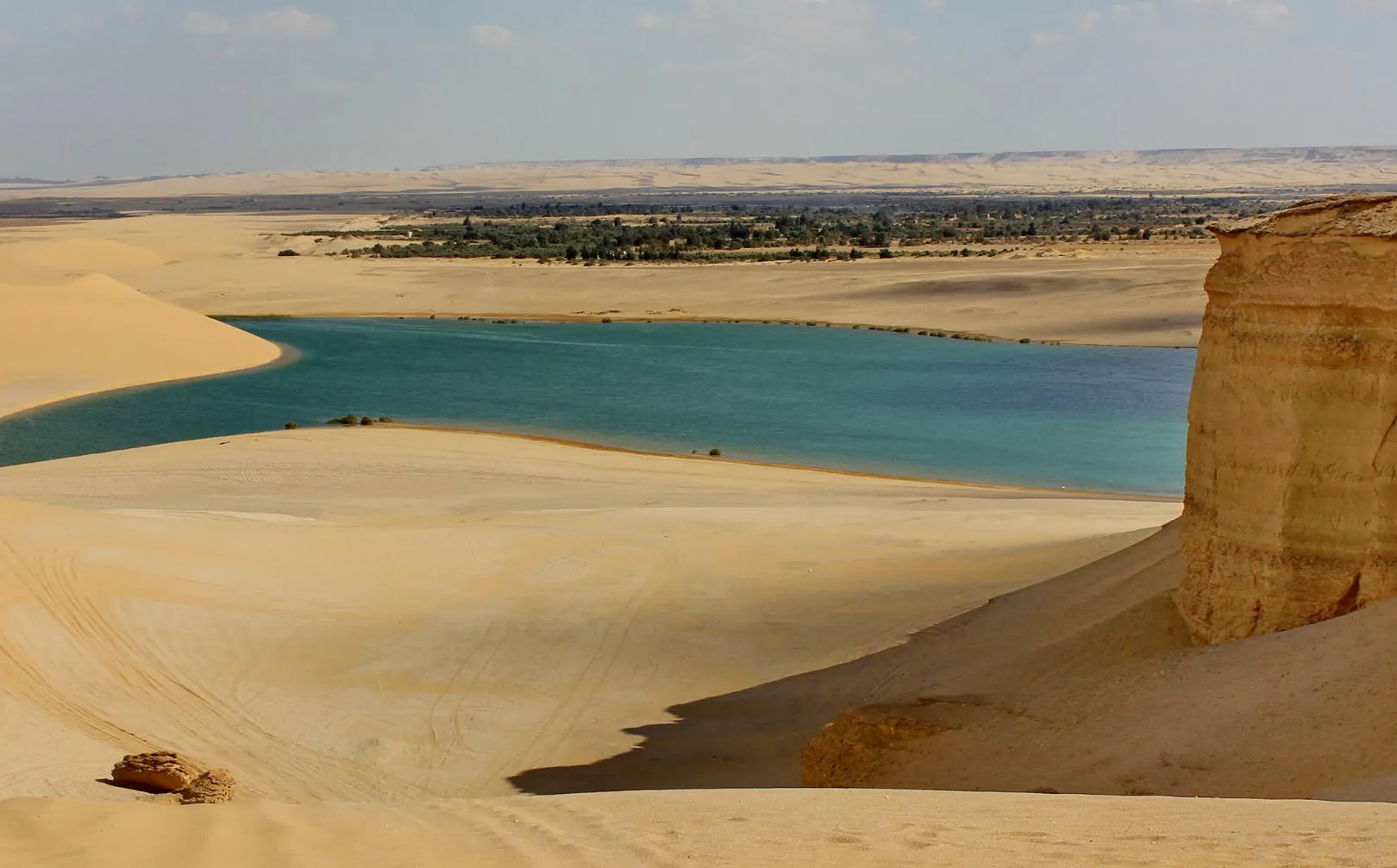
¿Sabías que este lago antiguo subía y bajaba como por arte de magia, dejando boquiabierto a Heródoto? Ven, te cuento los secretos que sus aguas guardan.
The Qasr el-Qarun Temple generally opens from 8:00 a.m. to 5:00 p.m., although hours may vary. It is best to confirm on the official website of Egypt's Ministry of Tourism and Antiquities (egypt.travel). It is located in the Faiyum region; you can get there by taxi or private vehicle from Cairo, a journey of about 2-3 hours.
Yes, entry to the Qasr el-Qarun Temple is not free. The price is usually around 100-140 EGP for foreign tourists and 50-70 EGP for students (with ID). I recommend bringing cash, as cards are not always accepted and ticket booths are usually on site.
For a full visit to the Qasr el-Qarun Temple, I suggest allowing between 1 and 2 hours. This will let you appreciate the structure, reliefs, and design. If you also want to explore the surroundings or the nearby ancient Roman villas, you can extend your visit to half a day.
The Qasr el-Qarun Temple is unique because it is one of the few Ptolemaic temples dedicated to the god Sobek-Ra and Haroeris (Horus the Elder). Its architecture is a fascinating example of the blending of Egyptian and Greco-Roman styles, and its design is believed to have included advanced astronomical principles. In addition, its interior is exceptionally well preserved.
The best time to visit is between October and April, when temperatures are more pleasant. To avoid crowds and intense heat, I suggest going early in the morning (right when it opens) or late in the afternoon. That way, you will enjoy beautiful light for photos and fewer people.
Access to the Qasr el-Qarun Temple can be challenging for people with reduced mobility. The ground around the temple is uneven and sandy, and there are no specific ramps. Inside the temple there may be steps and uneven levels. It is recommended to contact the site in advance (+20 2 27921935) if you have special requirements.
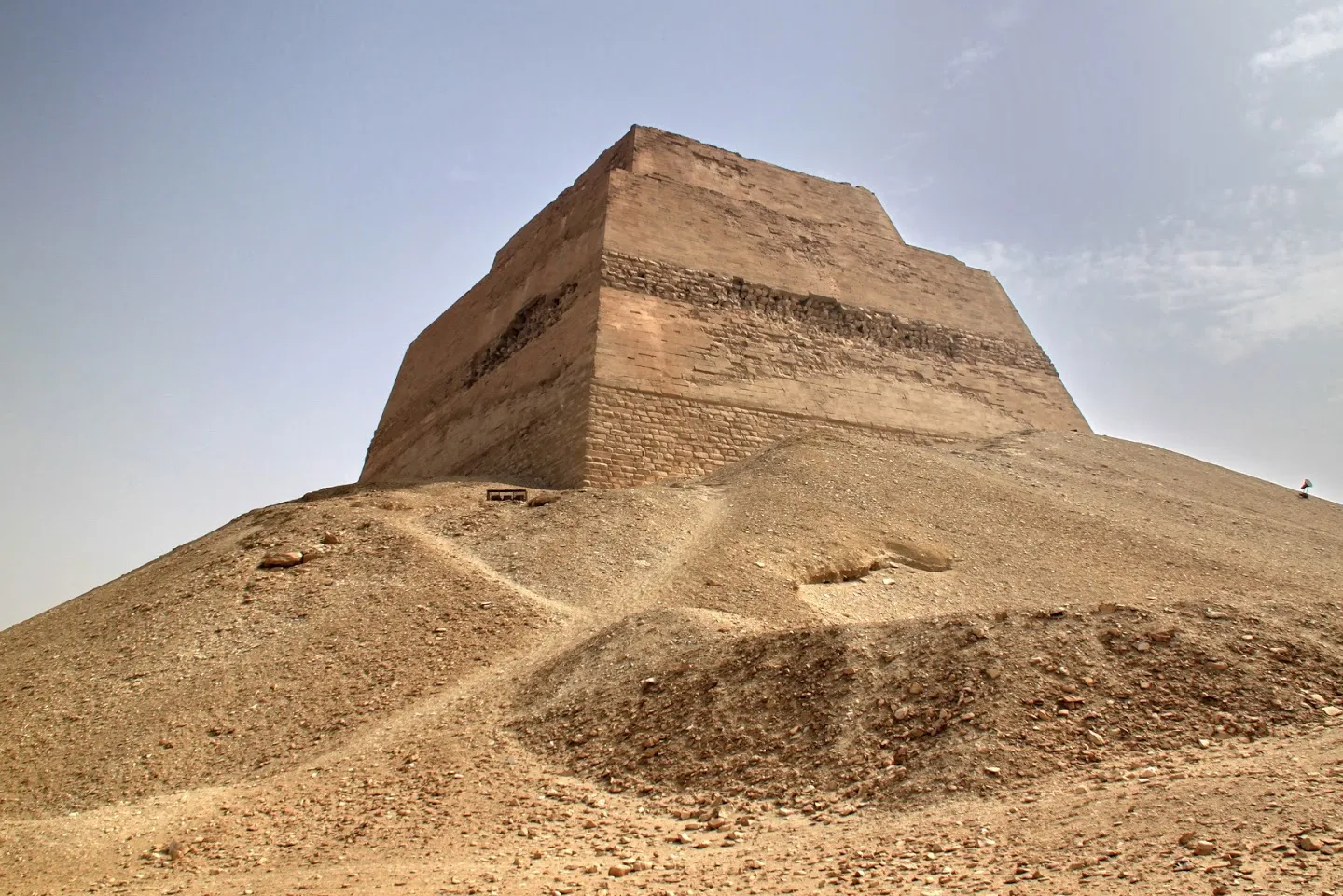
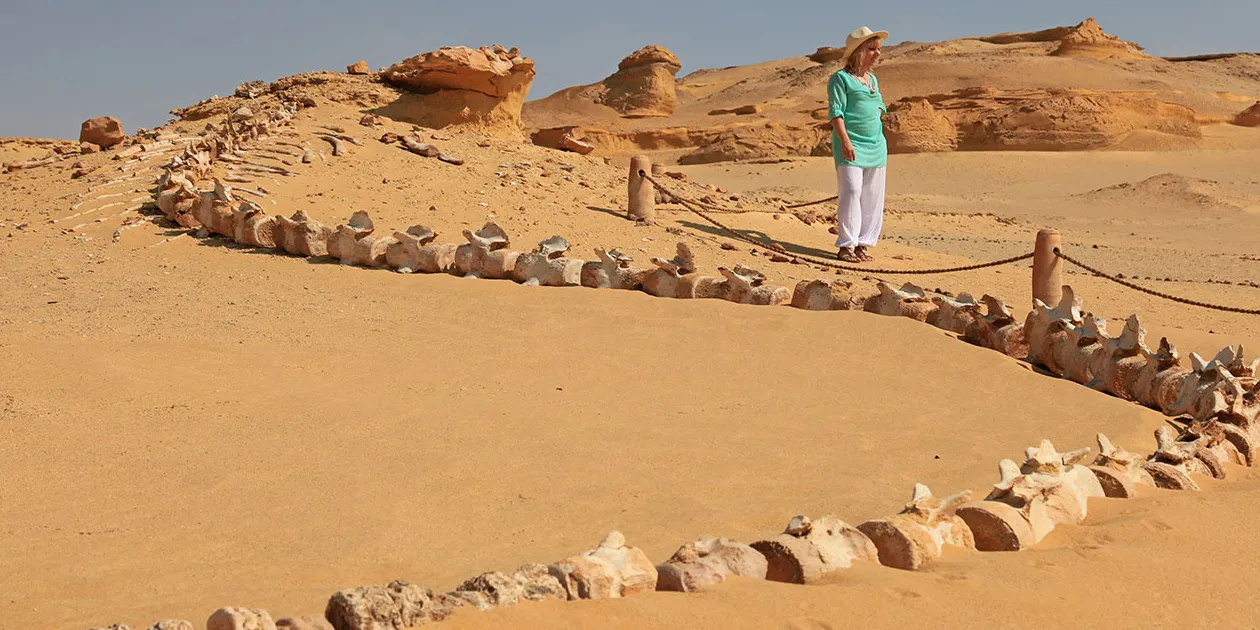
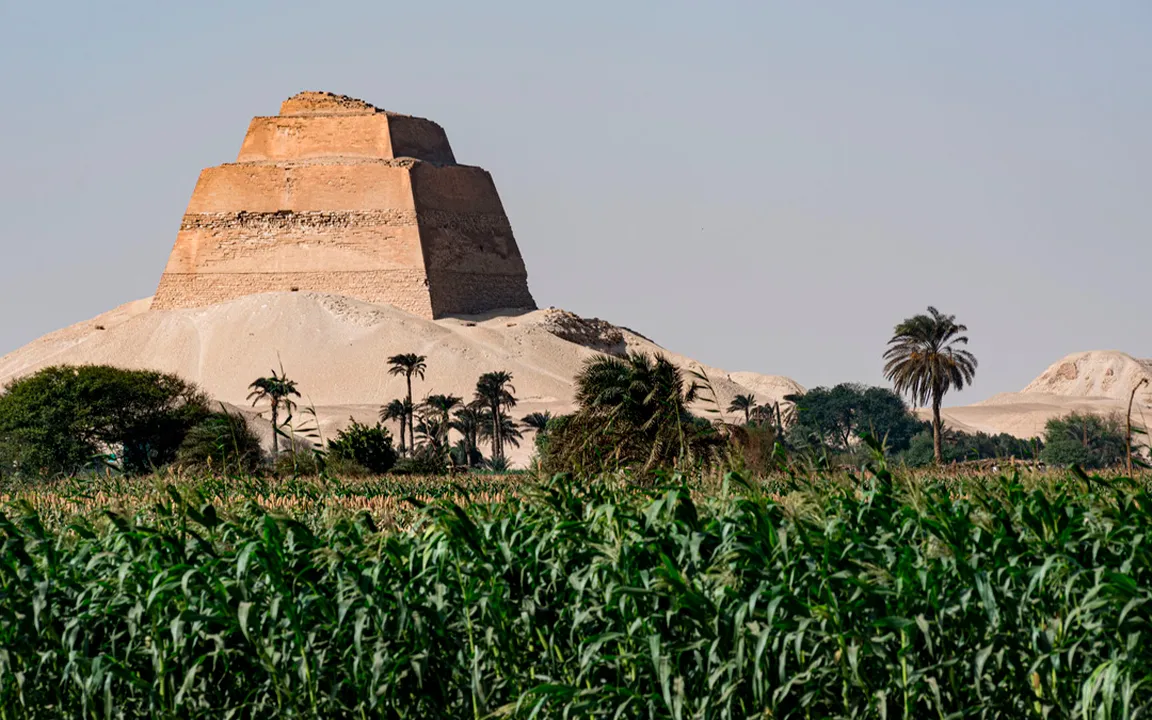
Absolutely! The Faiyum region is rich in history. Nearby you can visit the Faiyum Oasis, Lake Qarun (Egypt's largest natural lake), the pyramids of Hawara and El Lahun, the Paleolithic site of Wadi El Hitan (a UNESCO World Heritage Site), or Meidum's 'False Pyramid.' A great day of history and nature.
Of course, here are a few. Bring plenty of water, use sunscreen, wear a hat and light clothing, especially if you visit in summer. Comfortable footwear is essential for walking on the terrain. Consider hiring a local guide at the entrance to better understand the temple's rich history, and do not forget your camera to capture the beauty of this ancient place.
¿Prefieres escuchar en español?
🇪🇸 Escucha la audioguía de Lake Qarun en español