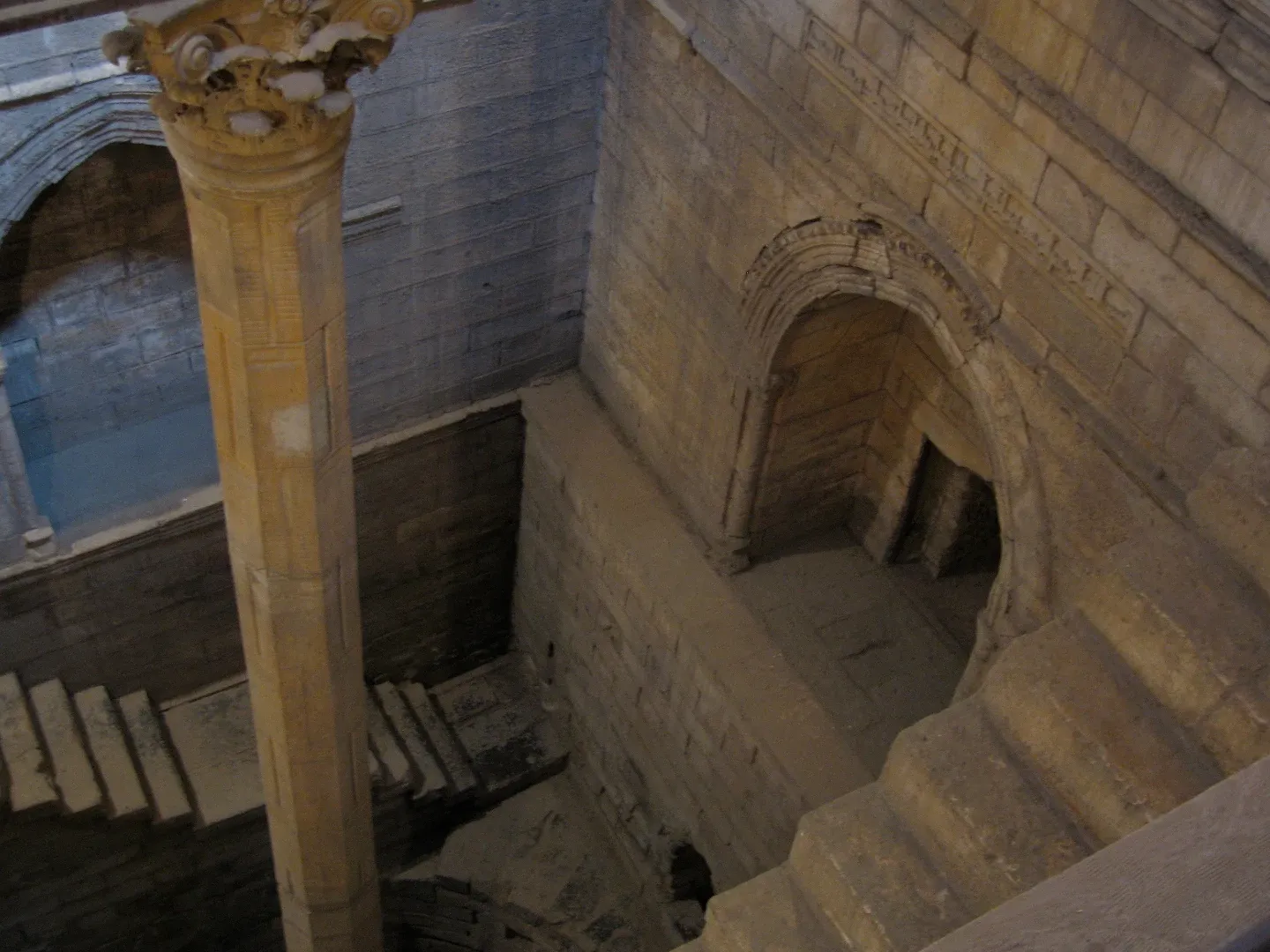
Ancient device for measuring the level of the Nile associated with the Temple of Kom Ombo, a key element for understanding the relationship between religion, agriculture, and administration in ancient Egypt.
The Nilometer is located within the Kom Ombo Temple complex, which is generally open from 7:00 a.m. to 5:00 p.m. (and until 9:00 p.m. in summer). It is accessed at the same time as the temple, and there is no separate entrance. It is an integral part of the visit to the historic site.
There is no additional cost for the Nilometer. Access is included in general admission to the Temple of Kom Ombo. There is no need to purchase a separate ticket to visit this fascinating structure.
The visit to the Nilometer itself will not take much time, perhaps around 10 to 15 minutes to observe it and understand how it worked. However, as part of the Temple of Kom Ombo, it is recommended to spend at least an hour and a half to two hours exploring the entire complex at a leisurely pace.
The Kom Ombo Nilometer was fundamental to life in ancient Egypt. It made it possible to measure the level of the Nile's annual floods, which was crucial for predicting harvests, calculating taxes, and planning for the future. It represented the close relationship between the Egyptian people and the Nile River, their source of life. For more information, you can consult its Wikipedia page: Temple of Kom Ombo on Wikipedia.
The best time to visit is during the cooler season from October to April. During the day, it is recommended to go early in the morning or late in the afternoon to avoid the most intense heat and the largest crowds, as well as to enjoy the beautiful light over the temple.
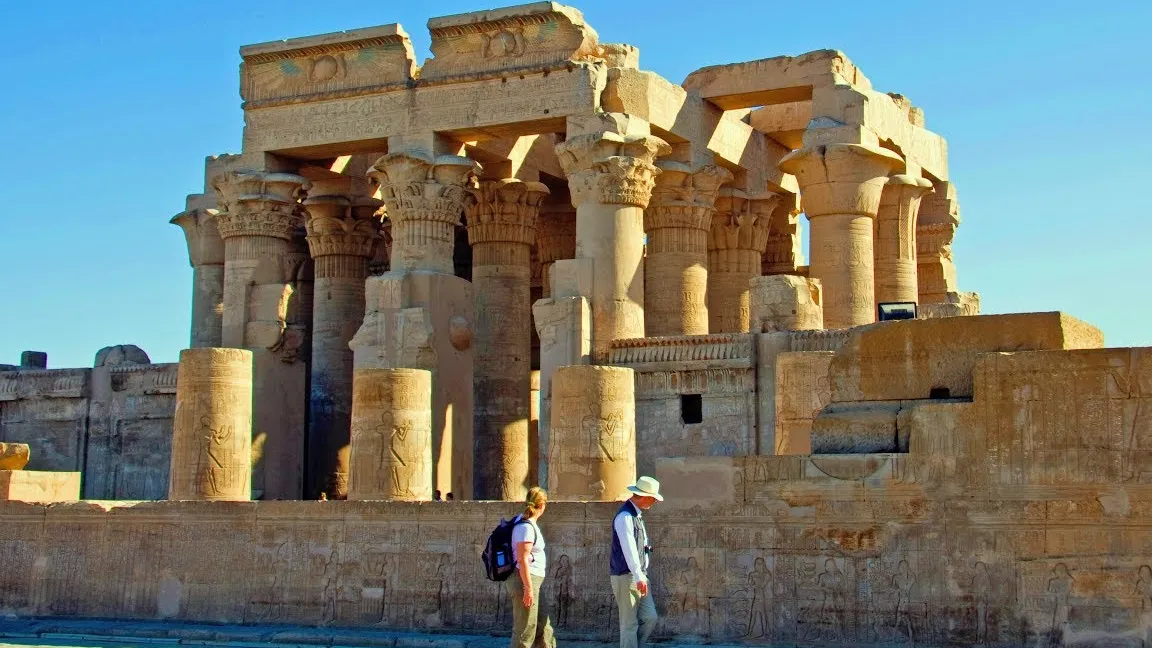
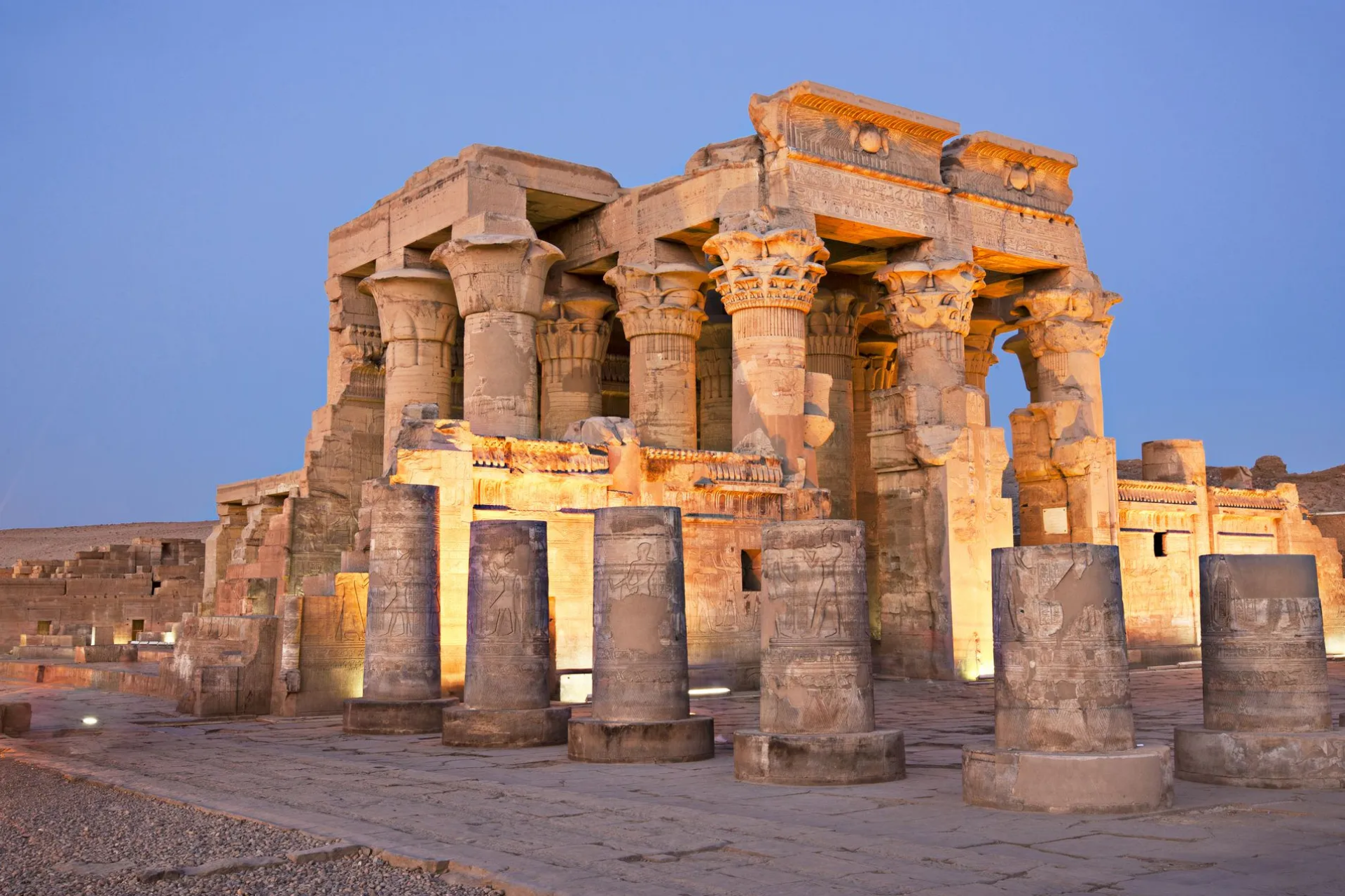
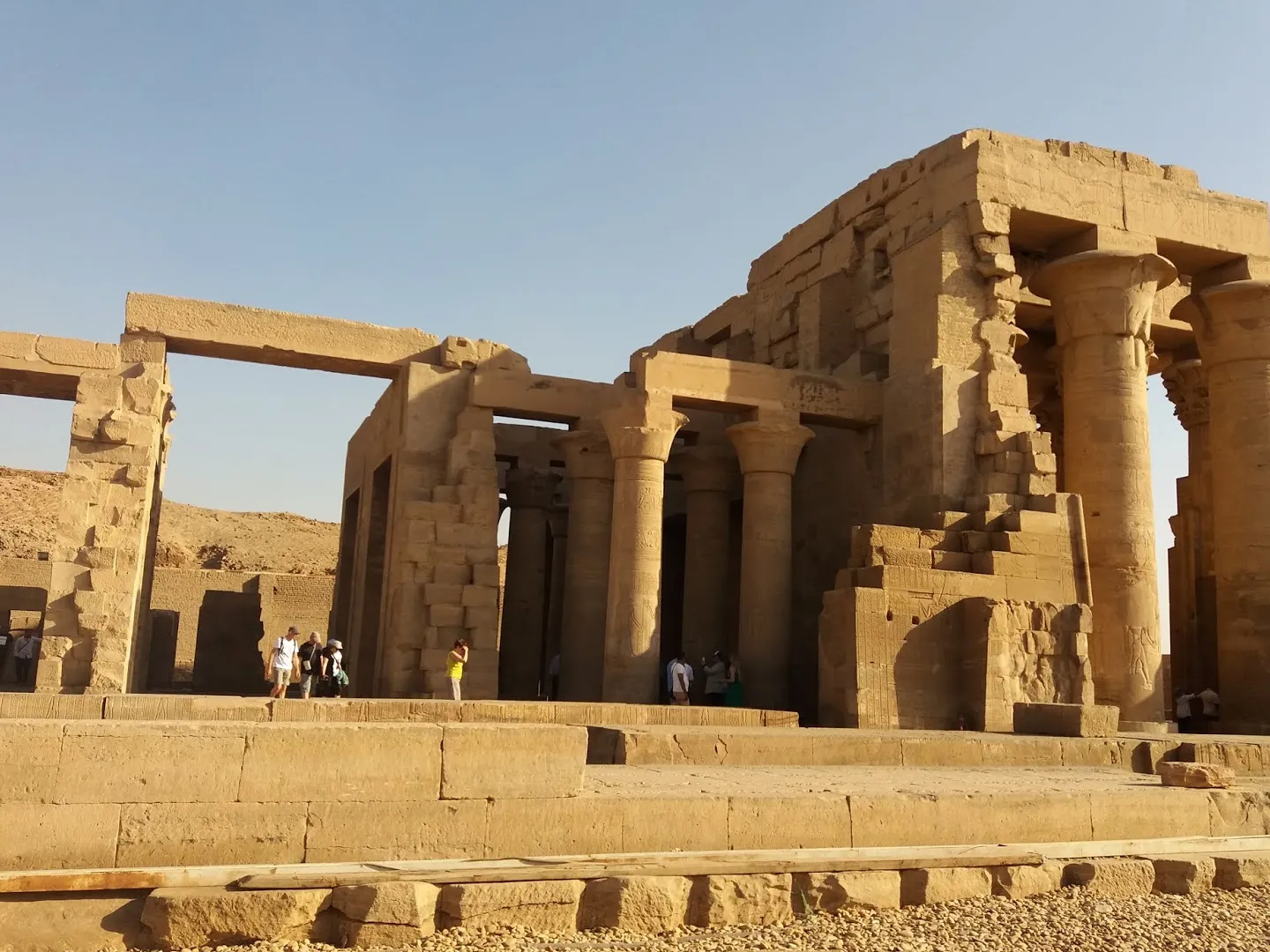
The Temple of Kom Ombo, where the Nilometer is located, is mostly outdoors and on level ground, although there are some areas with steps or uneven terrain. Direct access to the interior of the Nilometer may be limited because of its steps, but it can be viewed from the edge. Caution is recommended.
Kom Ombo is an important stop on Nile cruises. Nearby, the main attraction is the Temple of Kom Ombo itself, dedicated to Sobek and Horus. If you are traveling on a cruise, your next stop may be Edfu and the Temple of Horus, or Aswan, where you will find attractions such as the Philae Temple, the Unfinished Obelisk, or the High Dam.
I recommend bringing sunscreen, a hat, and enough water, especially if you visit during the middle of the day. Comfortable footwear is essential. Consider hiring a local guide to gain a better understanding of the history and details of this vital structure from ancient Egypt. Do not forget your camera—the views are spectacular!
¿Prefieres escuchar en español?
🇪🇸 Escucha la audioguía de the Temple Nilometer at Kom Ombo en español