No te vayas sin conocer la historia Suscribete
IAudioGuia iaudioguia
Audio Guides of Faiyum

Audio Guide of the Faiyum Oasis

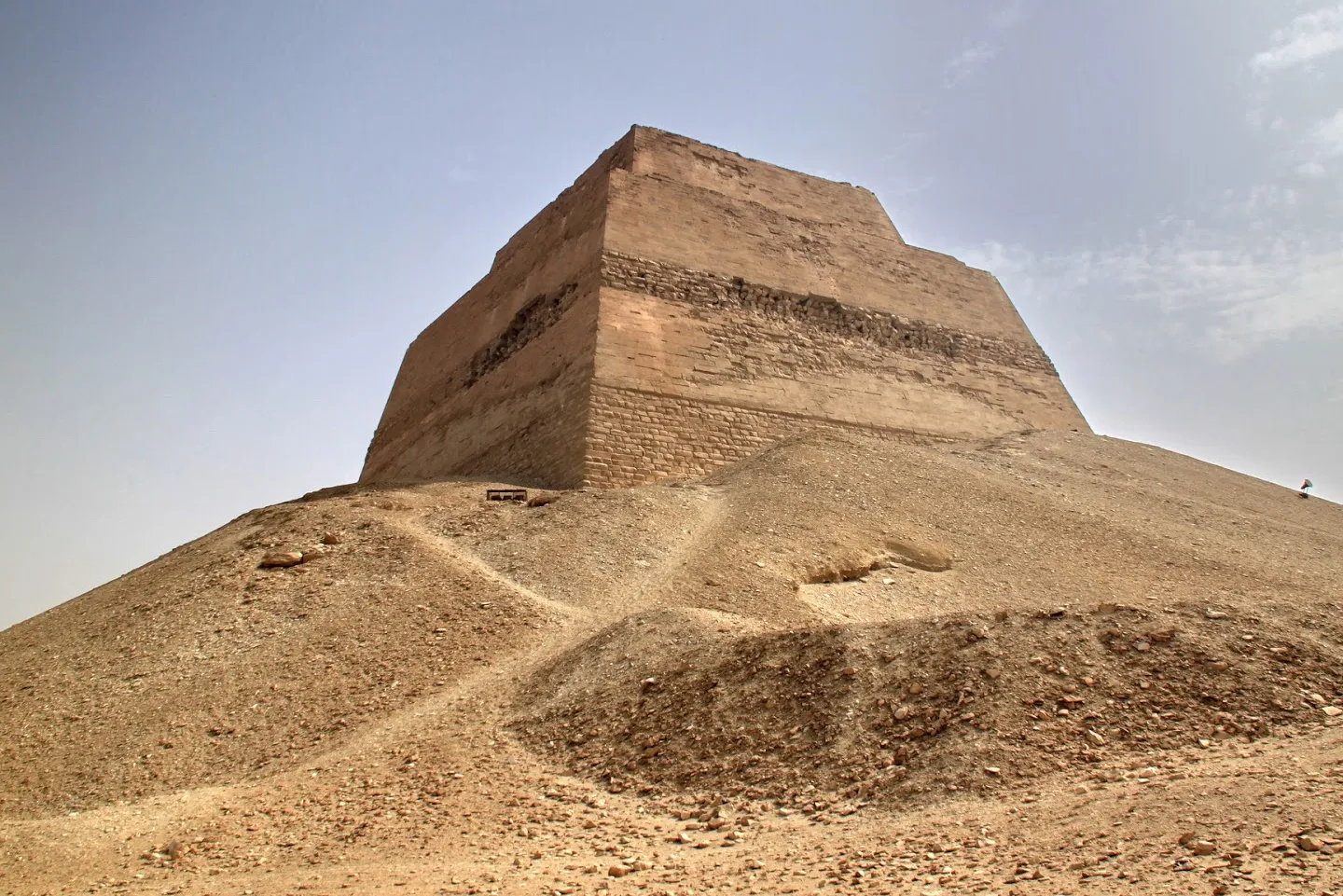
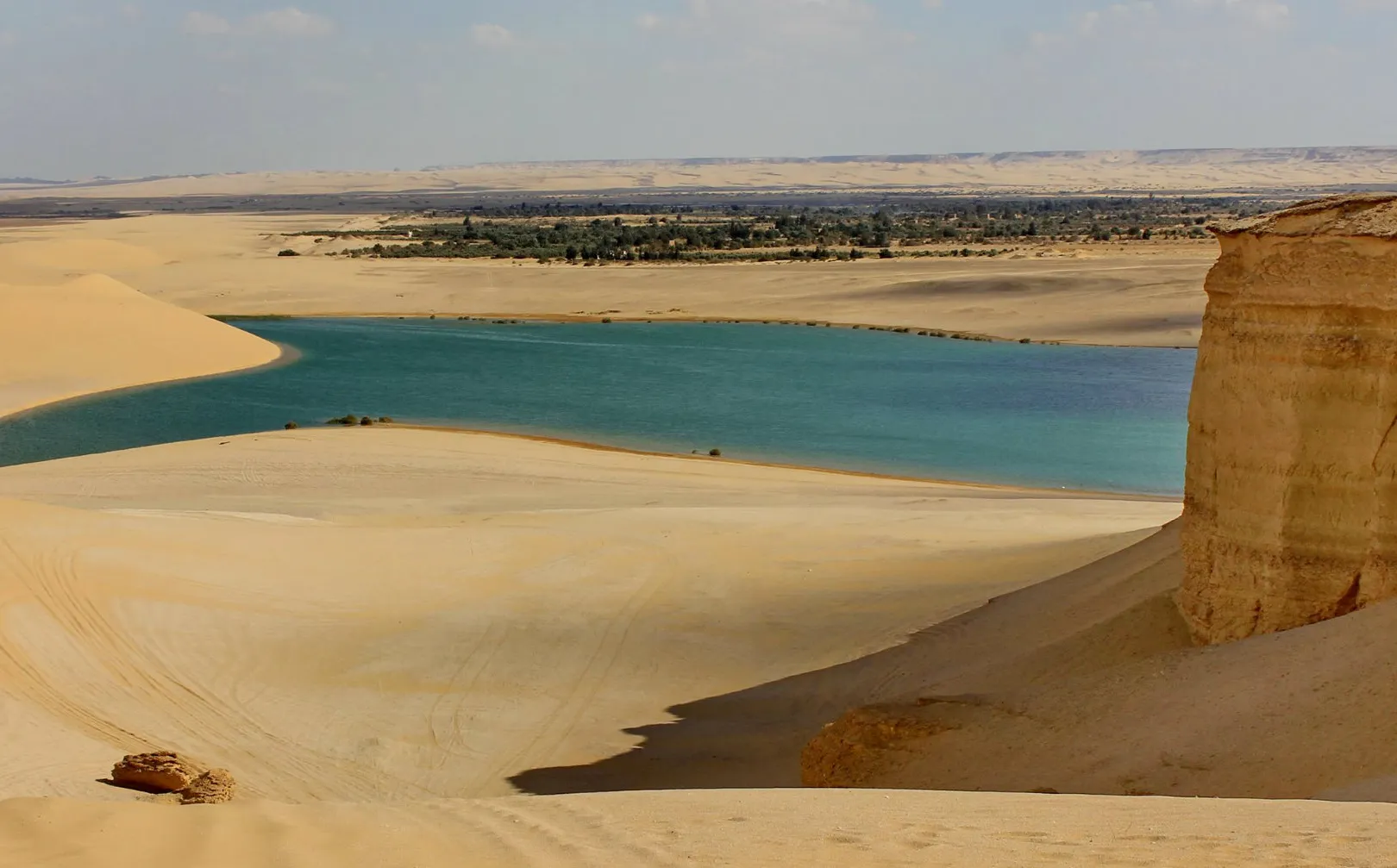
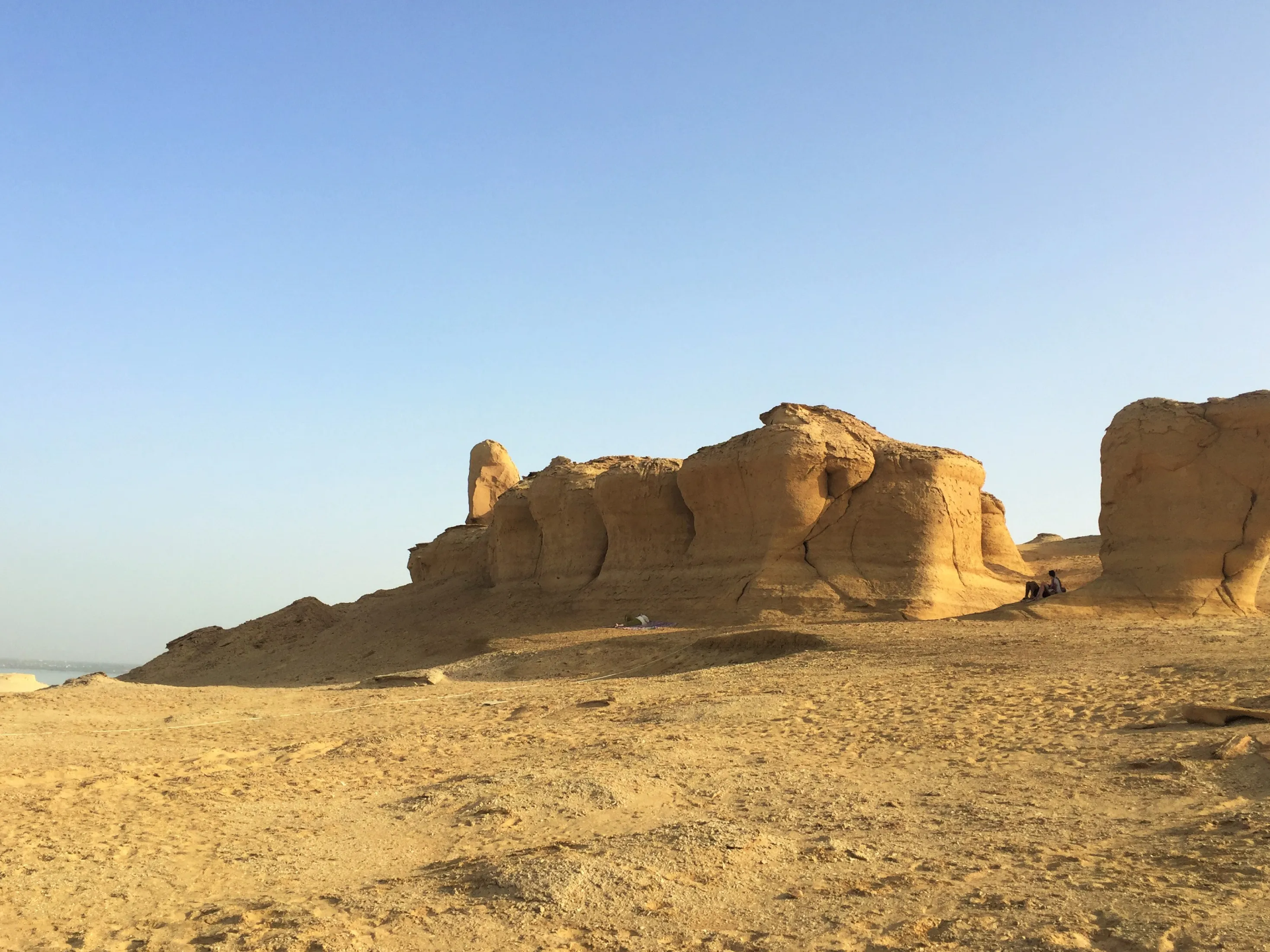
El Oasis de Fayum es una depresión fértil en el desierto occidental de Egipto, con el lago Qarun y yacimientos arqueológicos que abarcan desde la prehistoria hasta la época romana. Un lugar de gran importancia agrícola y cultural en la antigüedad.

✓ What guidebooks don't tell you
✓ Secrets other tourists miss
✓ Listen while you explore
Discover everything
00:00
00:00
Rate this audio guide

📖 Audio Guide Chapters

6 chapters

1. Welcome to the Faiyum Oasis

🔒 Premium Content

Subscribe to access all chapters of this audio guide.

2. The Landscapes of the Faiyum Oasis

🔒 Premium Content

Subscribe to access all chapters of this audio guide.

3. History and Figures of the Faiyum Oasis

🔒 Premium Content

Subscribe to access all chapters of this audio guide.

4. Art and Details of the Faiyum Oasis

🔒 Premium Content

Subscribe to access all chapters of this audio guide.

5. Secrets and Curiosities

🔒 Premium Content

Subscribe to access all chapters of this audio guide.

6. Farewell and Recommendations

🔒 Premium Content

Subscribe to access all chapters of this audio guide.

❓ Frequently Asked Questions

What are the opening hours of the Faiyum Oasis and how can I get there?

The Faiyum Oasis, due to its geographical nature, does not have fixed opening hours like a museum. It is an entire region. However, the archaeological sites and attractions within the oasis usually do have schedules. I recommend checking the specific opening hours for each place you want to visit, such as the Hawara and El Lahun Pyramids, with local tour operators or on their websites. The most common way to get there is by car or on an organized excursion from Cairo. You can arrange your transport in advance for greater convenience.

Do I have to pay an entrance fee to access the Faiyum Oasis or its main attractions?

Access to the Faiyum Oasis itself is free, as it is a vast region. However, the main archaeological sites and points of interest within the oasis, such as the Hawara and El Lahun Pyramids, Lake Qarun, or the Wadi El Rayan waterfall, usually do charge entrance fees. I suggest carrying some local currency in cash, as not all places accept cards. Check the latest prices in advance.

How much time is recommended for visiting the Faiyum Oasis to see the highlights?

The recommended time for visiting the Faiyum Oasis depends on your interests. For an overview of the main highlights such as the pyramids, Lake Qarun, and Wadi El Rayan, a full day (approximately 8-10 hours) is the minimum I would suggest. If you want to explore at a more relaxed pace, enjoy nature, and visit more archaeological sites, I would advise setting aside two days or even planning an overnight stay.

What is the history or significance of the Faiyum Oasis in ancient Egypt?

The Faiyum Oasis has an extremely rich history dating back to prehistory, and it was a vital center during the Middle Kingdom. It was especially important during the 12th and 13th Dynasties, when the pharaohs undertook major hydraulic projects to turn it into a fertile agricultural region. Its significance lies in being a source of life and prosperity, as well as home to major archaeological remains such as pyramids and temples that testify to its splendor. It is also known for the famous 'Faiyum portraits,' found on Roman mummies.

What is the best time of year or best time of day to visit the Faiyum Oasis?

The best time to visit the Faiyum Oasis is during the cooler months, from October to April, when temperatures are more pleasant and perfect for outdoor exploration. Avoid the hot summer months (from May to September). As for the best time of day, I recommend starting early in the morning to take advantage of the softer daylight and avoid the midday heat, especially if you plan outdoor activities or walks.

Is the Faiyum Oasis accessible for people with reduced mobility, or are there special facilities?

Accessibility in the Faiyum Oasis can vary significantly. While some areas and museums may have more adapted infrastructure, many of the archaeological and natural sites involve uneven terrain, stairs, or dirt tracks that can be challenging.I strongly recommend checking with your tour operator or the specific sites you want to visit about their accessibility conditions before your trip. A good example of accessibility difficulty is the route to see the petrified trees, which is largely desert terrain and sand dunes (for example, in the Petrified Forest of Geziret el-Qarn, where a 4x4 vehicle is needed).

What other attractions or places of interest can I visit near the Faiyum Oasis?

In addition to the beauty of the oasis itself, the surroundings of Faiyum offer other gems. Don't miss the Valley of the Whales (Wadi Al-Hitan), a UNESCO World Heritage Site with fossils of ancient whales, located nearby. You can also explore the Monastery of Deir Abu Lifa or immerse yourself in vibrant local life in the city of Faiyum, with its waterwheels and market. The whole region is dotted with history and nature.

Do you have any practical tips to make the most of my visit to the Faiyum Oasis?

Of course! For the best visit, I would say the main thing is to come prepared. Wear comfortable, light clothing, a wide-brimmed hat, sunglasses, and plenty of sunscreen, even in winter. Stay constantly hydrated with bottled water. Consider hiring a local guide; they will offer invaluable cultural and historical insights and help you navigate the area. Also keep in mind that internet connectivity may be limited in certain areas. Most importantly, be respectful of the natural environment and the archaeological sites—it is a privilege to visit them!

¿Prefieres escuchar en español?

🇪🇸 Escucha la audioguía de the Faiyum Oasis en español