No te vayas sin conocer la historia Suscribete
IAudioGuia iaudioguia
Audio Guides of Dendera

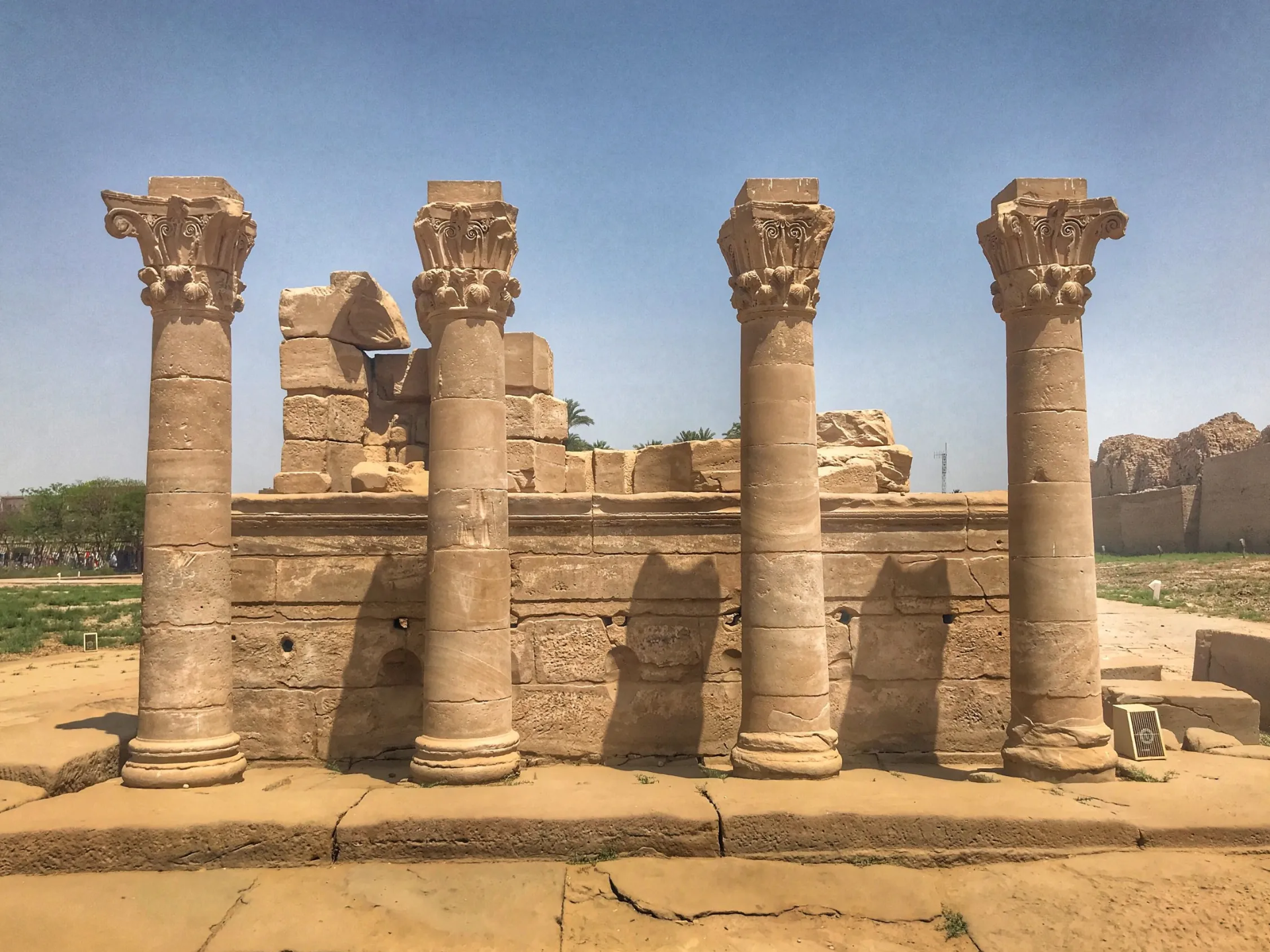
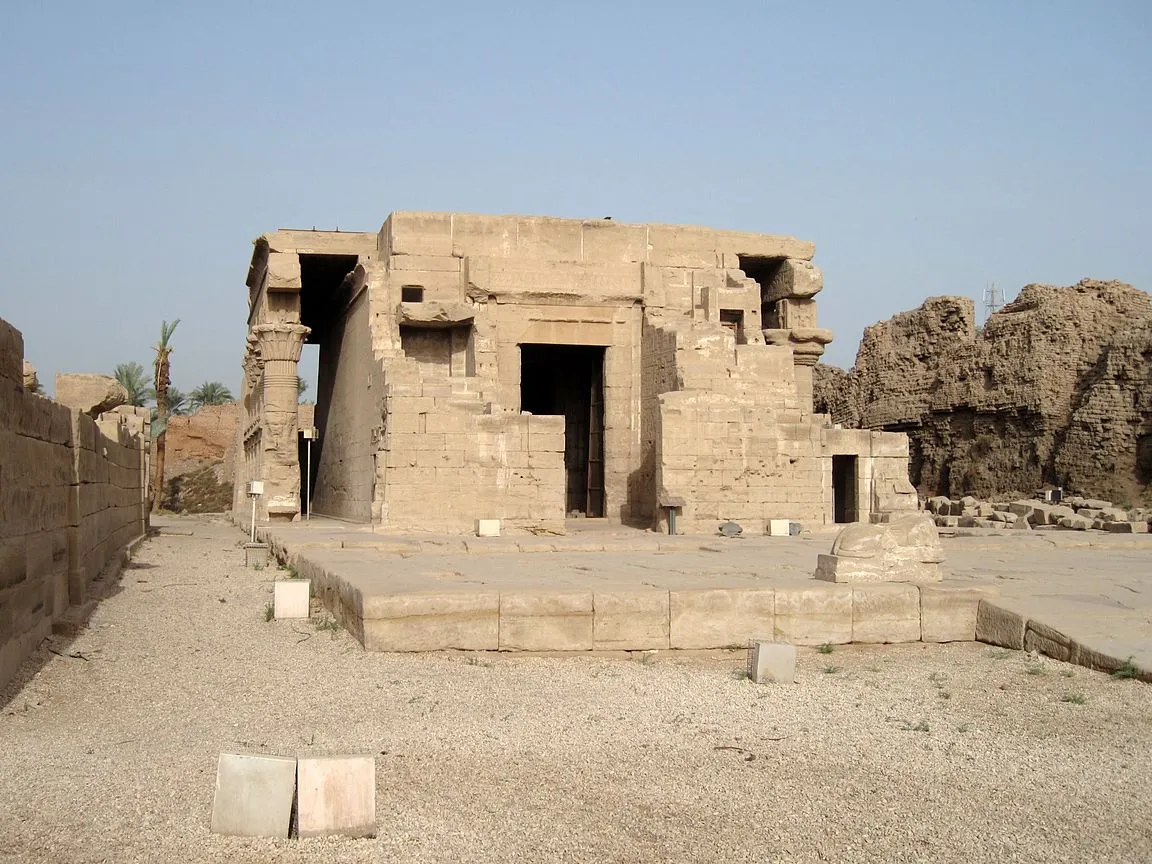
Audio Guide of the Divine Birth House

An ancient Egyptian temple dedicated to the ritual birth of deities, highlighting divine motherhood and succession.

✓ What guidebooks don't tell you
✓ Secrets other tourists miss
✓ Listen while you explore
Discover everything
00:00
00:00
Rate this audio guide

📖 Audio Guide Chapters

6 chapters

1. Introduction and History

🔒 Premium Content

Subscribe to access all chapters of this audio guide.

2. Architecture and Design

🔒 Premium Content

Subscribe to access all chapters of this audio guide.

3. Art and Decoration

🔒 Premium Content

Subscribe to access all chapters of this audio guide.

4. Historical Figures

🔒 Premium Content

Subscribe to access all chapters of this audio guide.

5. Curiosities and Legends

🔒 Premium Content

Subscribe to access all chapters of this audio guide.

6. Cultural Importance and Legacy

🔒 Premium Content

Subscribe to access all chapters of this audio guide.

❓ Frequently Asked Questions

What are the opening hours of the Divine Birth House in Dendera, and how can I get there?

The Divine Birth House, part of the Temple of Hathor complex in Dendera, is open daily from 6:00 a.m. to 5:00 p.m., although it is advisable to check ahead for possible seasonal changes. To get there, you can take a taxi or bus from Luxor (about 60 km away), or join an organized tour; the official Egyptian Ministry of Tourism website offers more details at Egypt Travel.

How much does admission to the Divine Birth House in Dendera cost?

Admission to the Dendera Temple complex, which includes the Divine Birth House, costs approximately 150 EGP (around 8 USD) for foreign visitors and 60 EGP for Egyptians; there is no specific additional fee for the Mammisi. Children under 6 enter free, and cash or card payments are accepted on site. Check for updates on the Egyptian Ministry of Antiquities website.

How much time is needed to visit the Divine Birth House in Dendera?

It is recommended to spend at least 1 to 2 hours exploring the Divine Birth House and its detailed reliefs, but if you include the rest of the temple, plan for 3 to 4 hours in total. This allows you to appreciate the hieroglyphs and symbolism without rushing, especially if you use an audio guide such as those from IAudioguia.

What is the historical importance of the Divine Birth House in Dendera?

The Divine Birth House, or Mammisi, is a Ptolemaic-Roman pavilion dedicated to the mythical birth of Horus, son of Hathor and Isis, symbolizing renewal and fertility in Egyptian mythology. Built in the 1st century BC, its reliefs depict rituals of divine birth and highlight the fusion of pharaonic traditions with Greco-Roman influences. It is a fascinating example of the architecture and beliefs of ancient Egypt.

What is the best time to visit the Divine Birth House in Dendera?

The best time is during the cool season from October to April, avoiding the intense Egyptian summer heat, and preferably early in the morning (around 7:00 a.m.) for fewer crowds and better light for photos. Weekends may be busier, so choose weekdays if possible.

Is the Divine Birth House accessible for people with reduced mobility?

Access to the Dendera complex involves walking over uneven sandy and stone ground, which can be challenging for wheelchairs, although there are partial ramps in the main areas. It is recommended to contact the site in advance for assistance or adapted guides; for more information, visit the Egyptian tourism accessibility portal at TripAdvisor Dendera.

What other attractions are near the Divine Birth House in Dendera?

Near the Dendera complex, explore the main Temple of Hathor with its zodiac ceiling and underground crypts, or travel to Luxor (about 1 hour away) to see the Valley of the Kings and Karnak. Other nearby gems include the Temple of Edfu to the south, ideal for a full-day itinerary along the Nile temple route.

What are some tips for visiting the Divine Birth House in Dendera?

Bring sunscreen, a hat, and plenty of water because of the desert climate, and consider hiring a local guide or using an audio guide at IAudioguia to understand the reliefs. Respect the rules about not touching the ruins and take photos without flash; arrive early to avoid the heat and check the weather in apps such as AccuWeather.

¿Prefieres escuchar en español?

🇪🇸 Escucha la audioguía de the Divine Birth House en español