Don't leave Dendera without knowing this Subscribe
IAudioGuia iaudioguia
Audio Guides of Dendera

Audio Guide of Astronomical Reliefs

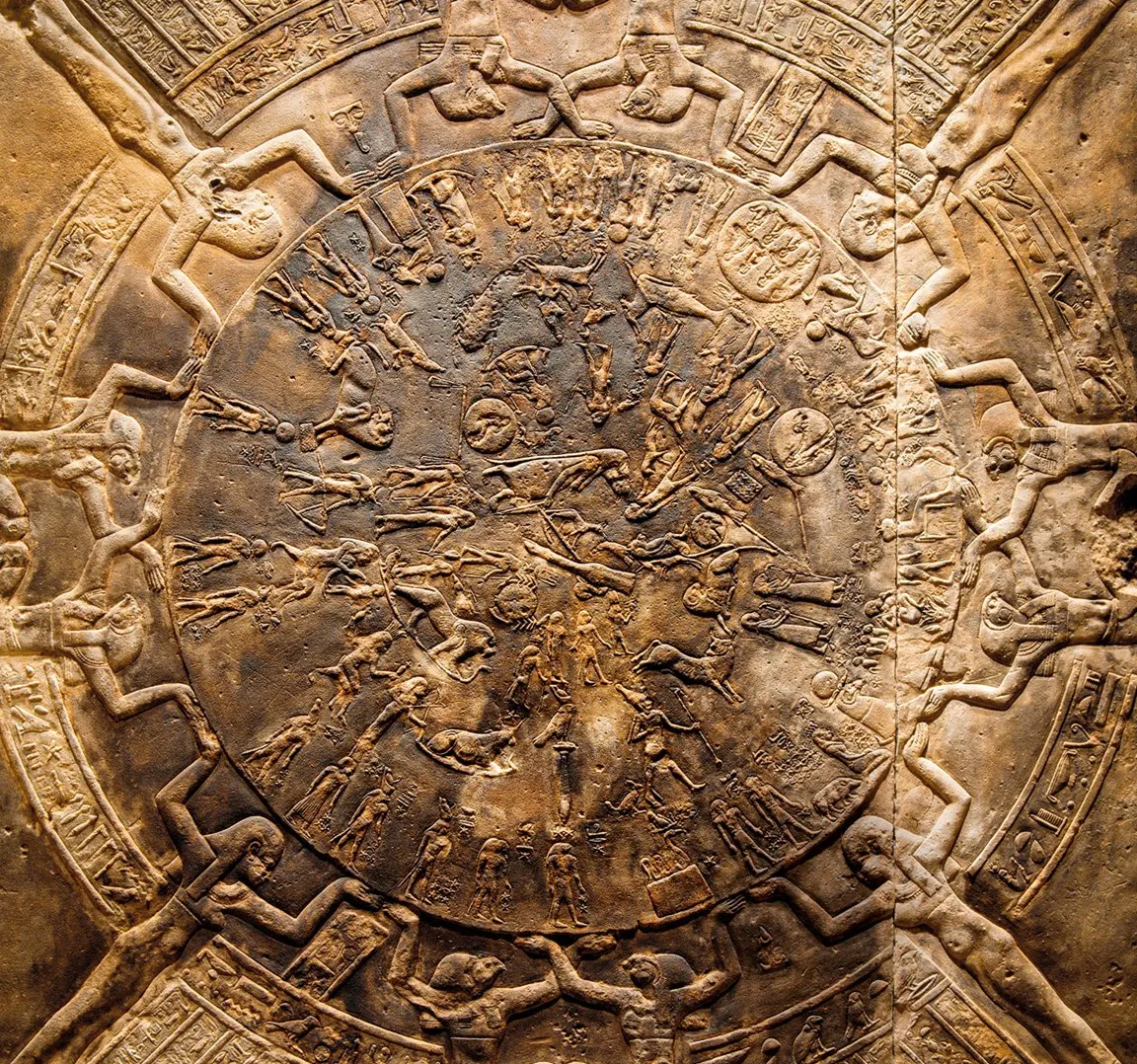
Fascinating celestial representations carved into the ceiling of the Temple of Hathor at Dendera, depicting the Egyptian zodiac and revealing the profound astronomical knowledge of the ancient civilization of the Nile.

✓ What guidebooks don't tell you
✓ Secrets other tourists miss
✓ Listen while you explore
Discover everything
00:00
00:00
Rate this audio guide

📖 Audio Guide Chapters

6 chapters

1. Introduction and History

🔒 Premium Content

Subscribe to access all chapters of this audio guide.

2. Architecture and Design

🔒 Premium Content

Subscribe to access all chapters of this audio guide.

3. Art and Decoration

🔒 Premium Content

Subscribe to access all chapters of this audio guide.

4. Historical Figures

🔒 Premium Content

Subscribe to access all chapters of this audio guide.

5. Curiosities and Legends

🔒 Premium Content

Subscribe to access all chapters of this audio guide.

6. Cultural Importance and Legacy

🔒 Premium Content

Subscribe to access all chapters of this audio guide.

❓ Frequently Asked Questions

What are the opening hours of the Temple of Dendera to see the Astronomical Reliefs, and how can I get there?

The temple is open daily from 6:00 a.m. to 5:00 p.m., with possible seasonal changes. It is easily reached from Luxor by taxi or organized tour (about 1 hour), and a local guide at the entrance is recommended. More information is available on the official Egypt Tourism website.

How much does admission cost to visit the Astronomical Reliefs in the Temple of Dendera?

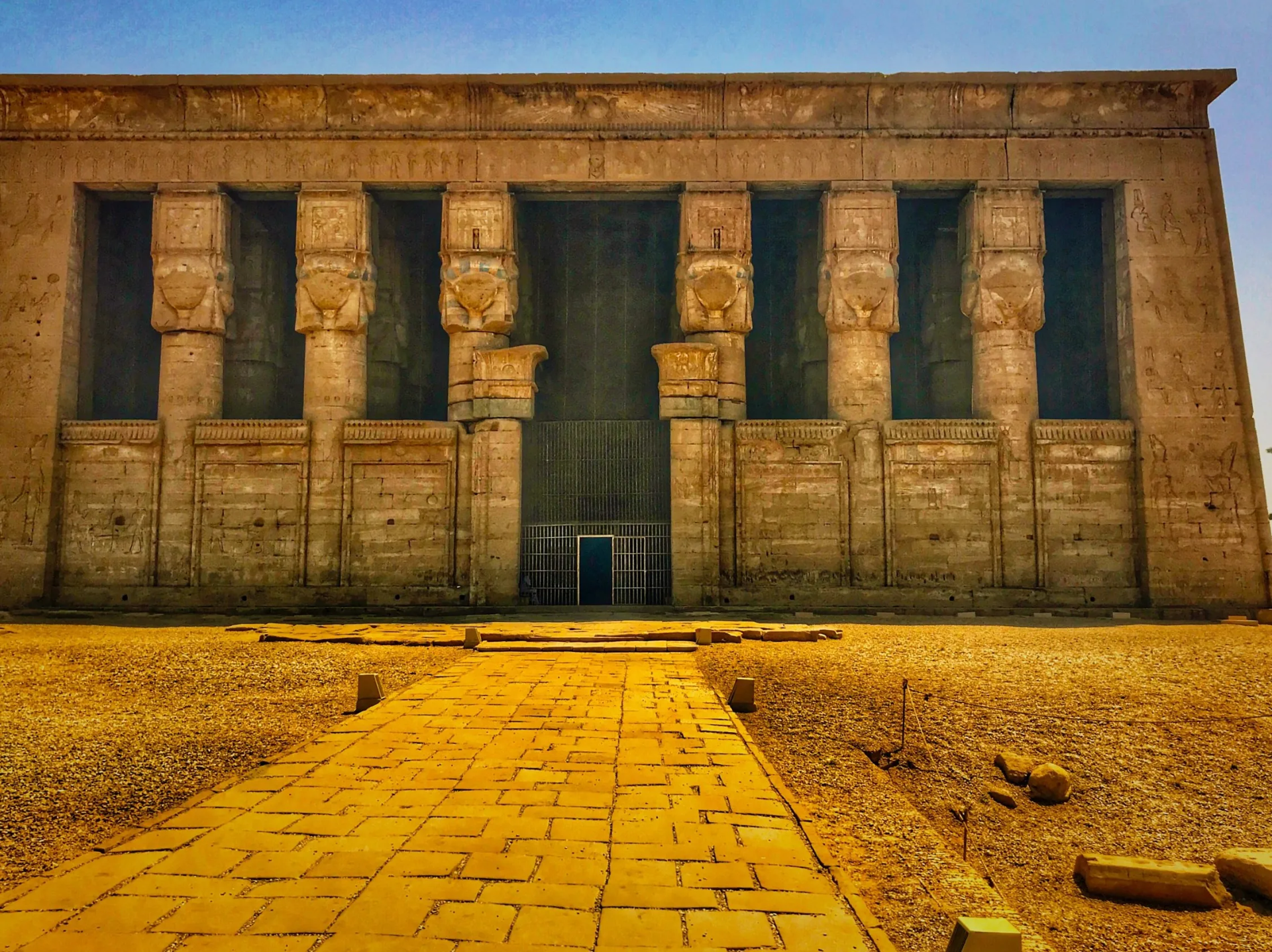
Admission to the Temple of Hathor, where the reliefs are located, costs around 150 EGP (about 8-10 USD) for adult foreign visitors; children and المصري visitors pay less. It includes access to the roof to see the astronomical reliefs, but check current prices at the ticket office.

How much time is recommended for visiting the Astronomical Reliefs?

Allow at least 1-2 hours to explore the temple and climb to the roof where the reliefs are located. If you go with a guide, you can explore them in depth in about 90 minutes; combine it with the rest of the complex for a half-day visit.

What is the historical significance of the Astronomical Reliefs in the Temple of Dendera?

These reliefs on the ceiling of the Temple of Hathor, from the Ptolemaic-Roman period (1st century BC), depict the Dendera zodiac and Egyptian astronomical calendars, blending mythology and astronomy. They are unique for their celestial detail and were key to understanding ancient Egyptian cosmology.

What is the best time of year or day to visit the Astronomical Reliefs?

Visit in winter (October-April) to avoid extreme heat; early morning (8:00-10:00 a.m.) offers better light for photos and fewer crowds. Avoid midday in summer because of the high temperatures.

Is the Temple of Dendera accessible for people with reduced mobility?

Access to the main temple is possible, but reaching the roof where the reliefs are located involves steep, narrow stairs and is not suitable for wheelchairs. Contact adapted tour providers or the Egyptian Ministry of Tourism for limited options.

What other attractions are near the Astronomical Reliefs in Dendera?

Within the same complex: the Sacred Lake, the Mammisi, and the underground crypt. Nearby, visit Abydos (1 hour away) or return to Luxor for Karnak and the Valley of the Kings. Ideal to combine in a day tour.

What practical tips can help me make the most of a visit to the Astronomical Reliefs?

Bring a hat, water, and sunscreen; hire an Egyptian guide at the entrance for detailed explanations. Wear comfortable shoes for the stairs and book an audio guide at IAudioguia for information in English.

¿Prefieres escuchar en español?

🇪🇸 Escucha la audioguía de Astronomical Reliefs en español