No te vayas sin conocer la historia Suscribete
IAudioGuia iaudioguia
Audio Guides of Archaeological Site

Audio Guide of the Abu Rawash Archaeological Site

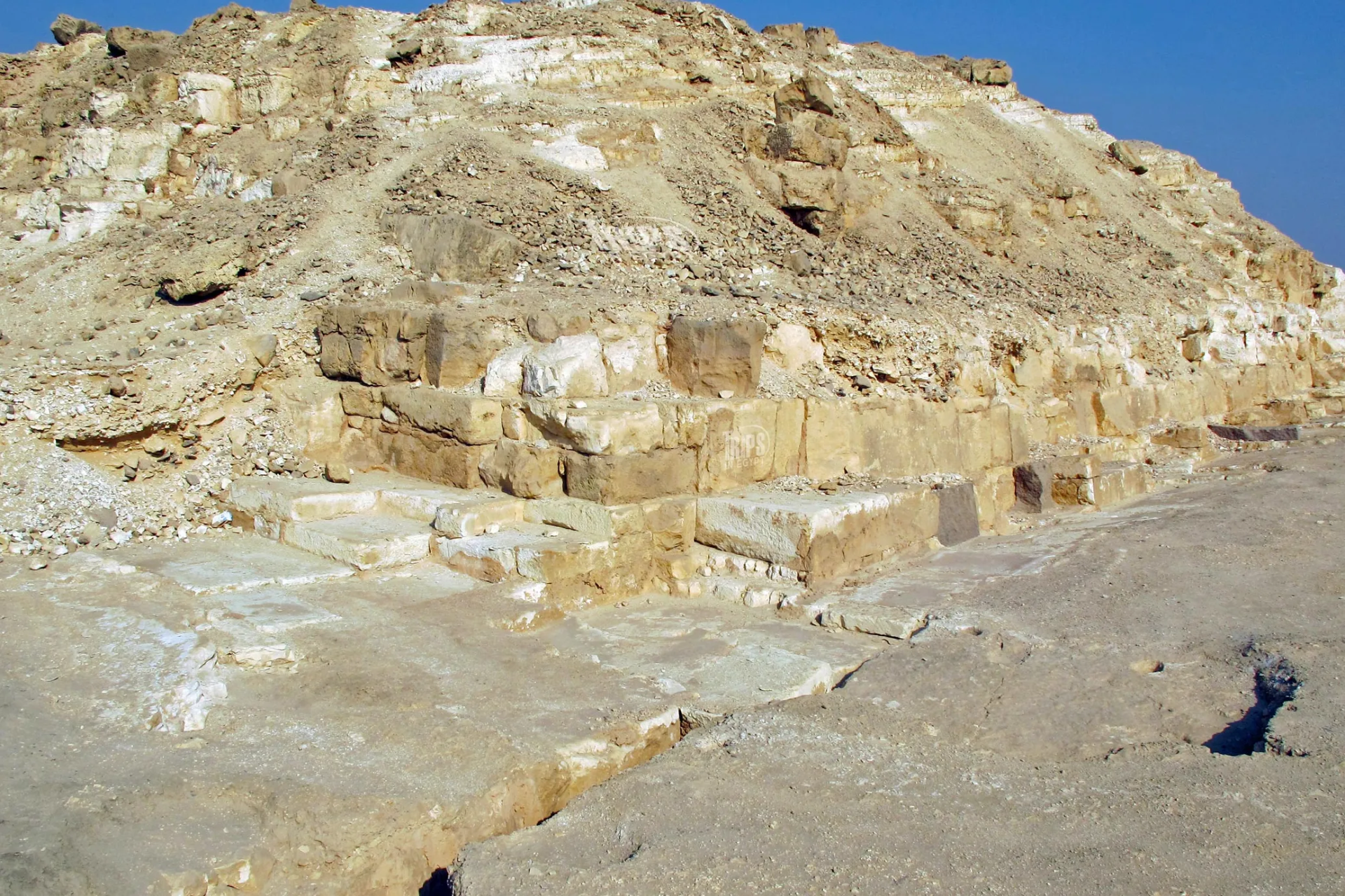
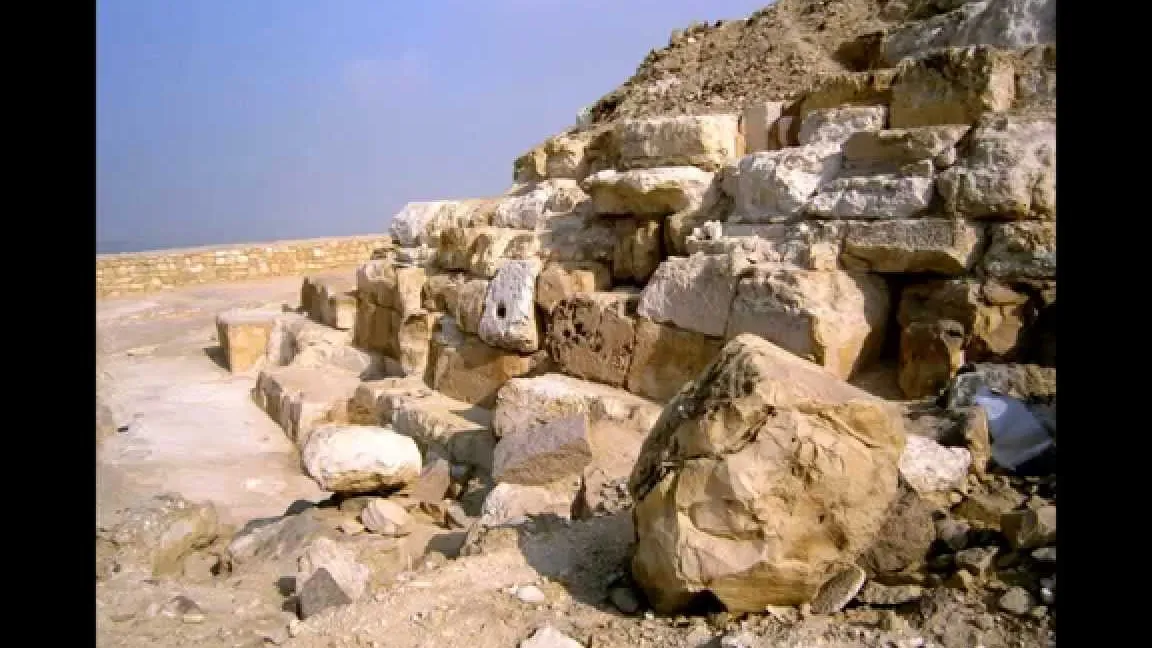
El Sitio Arqueológico de Abu Rawash, situado a unos ocho kilómetros al norte de Guiza, alberga las ruinas del complejo funerario del faraón Djedefre, una de las pirámides menos conocidas pero fascinantes del Antiguo Egipto.

✓ What guidebooks don't tell you
✓ Secrets other tourists miss
✓ Listen while you explore
Discover everything
00:00
00:00

📖 Audio Guide Chapters

6 chapters

1. Welcome to the Abu Rawash Archaeological Site

🔒 Premium Content

Subscribe to access all chapters of this audio guide.

2. The Architecture of the Abu Rawash Archaeological Site

🔒 Premium Content

Subscribe to access all chapters of this audio guide.

3. History and Figures of the Abu Rawash Archaeological Site

🔒 Premium Content

Subscribe to access all chapters of this audio guide.

4. Art and Details of the Abu Rawash Archaeological Site

🔒 Premium Content

Subscribe to access all chapters of this audio guide.

5. Secrets and Curiosities

🔒 Premium Content

Subscribe to access all chapters of this audio guide.

6. Farewell and Recommendations

🔒 Premium Content

Subscribe to access all chapters of this audio guide.

❓ Frequently Asked Questions

What are the opening hours and how do I get to the Abu Rawash Archaeological Site?

The site is usually open every day from 9:00 a.m. to 4:00 p.m., although hours may vary by season. Since it is about 8 km north of Giza, the best option is to go by taxi or private transport, as there is no direct public transportation; you can easily find it on Google Maps to guide your driver.

How much does admission cost to visit the lost pyramid of Djedefre?

General admission is usually around 80-100 EGP (Egyptian pounds), although prices are subject to change by the Ministry of Tourism. It is essential to bring cash in local currency, as this remote site typically does not accept credit cards at the ticket office.

How much time do I need to properly explore Abu Rawash?

A full visit usually takes between 1 and 2 hours, enough time to explore the pyramid ruins, the processional causeway, and enjoy panoramic views toward Cairo. Since it is less crowded than Giza, you can explore it at your own pace without large crowds.

Why is this place historically important if it is in ruins?

Abu Rawash is home to the pyramid of Pharaoh Djedefre, son of Khufu, who chose this hill so that his monument would appear to be the tallest of all. It is fascinating for its unique masonry and for being key to understanding the evolution of funerary construction, something we explain in detail in our audio guide.

What is the best season or time of day to visit the site?

I recommend going early in the morning (between 9:00 and 11:00), preferably between October and April to avoid the intense heat. Since it is in an elevated desert area, the sun is very strong at midday and there are very few places with natural shade.

Is the archaeological site accessible for people with reduced mobility?

Unfortunately, the site is not adapted for wheelchairs or people with severe mobility difficulties. The terrain is uneven, rocky, and requires walking on dirt slopes and loose stone to reach the base of the structure.

What other attractions can I see near Abu Rawash?

Take advantage of your trip to visit the famous Giza Pyramids, which are only about 15-20 minutes by car to the south. Many travelers combine both destinations in a single day to contrast the intact grandeur of Giza with the mysterious atmosphere of Djedefre's ruins.

What practical tips should I keep in mind before going?

Bring hiking shoes or very comfortable footwear, a hat, sunscreen, and enough water, as there are no vendors inside the site. I also suggest arranging for your taxi driver to wait for you during the visit, since it is difficult to find transportation back from this isolated location.

¿Prefieres escuchar en español?

🇪🇸 Escucha la audioguía de the Abu Rawash Archaeological Site en español