No te vayas sin conocer la historia Suscribete
IAudioGuia iaudioguia
Audio Guides of Ain Sokhna

Audio Guide of Galala Mountains

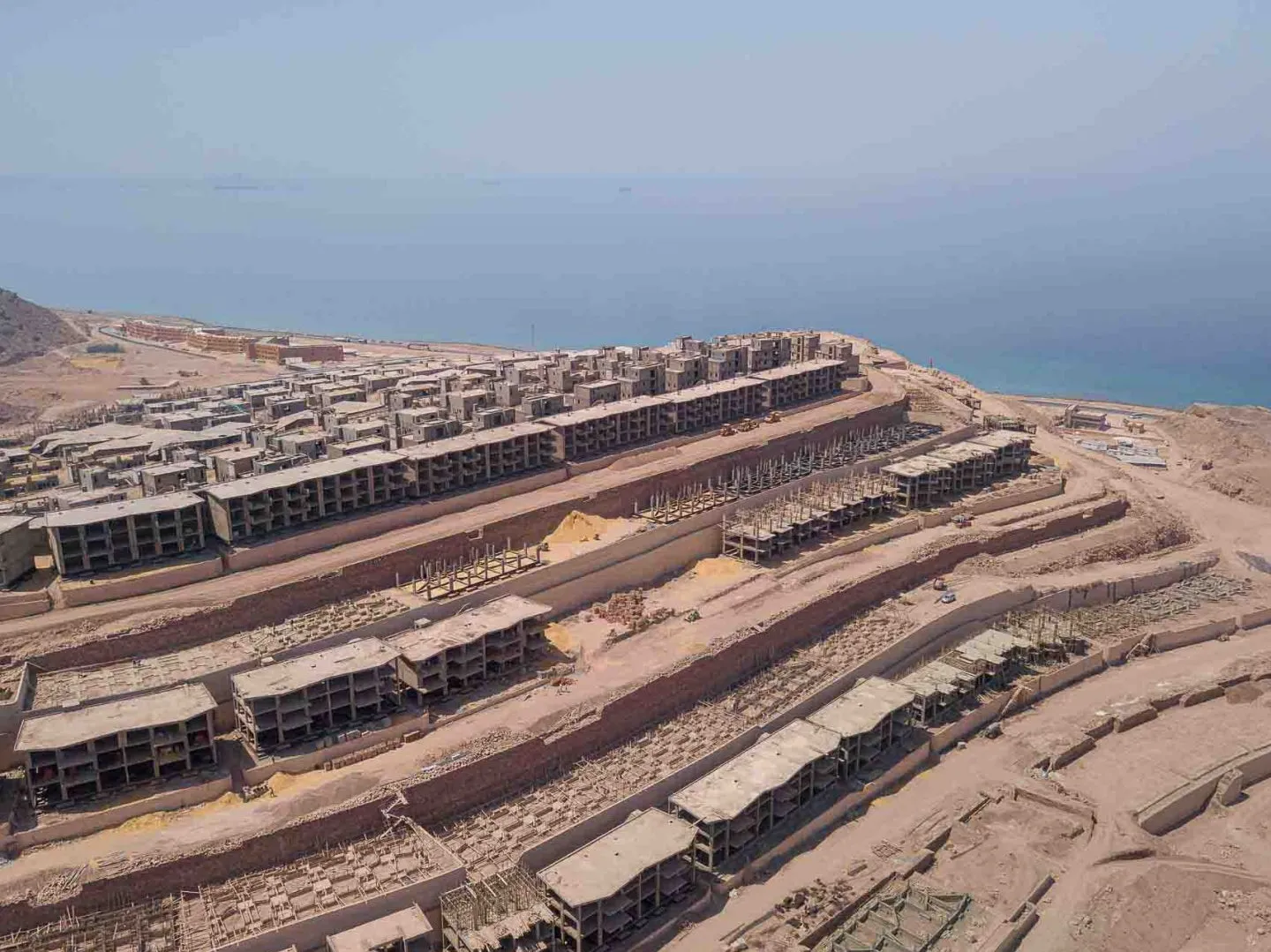
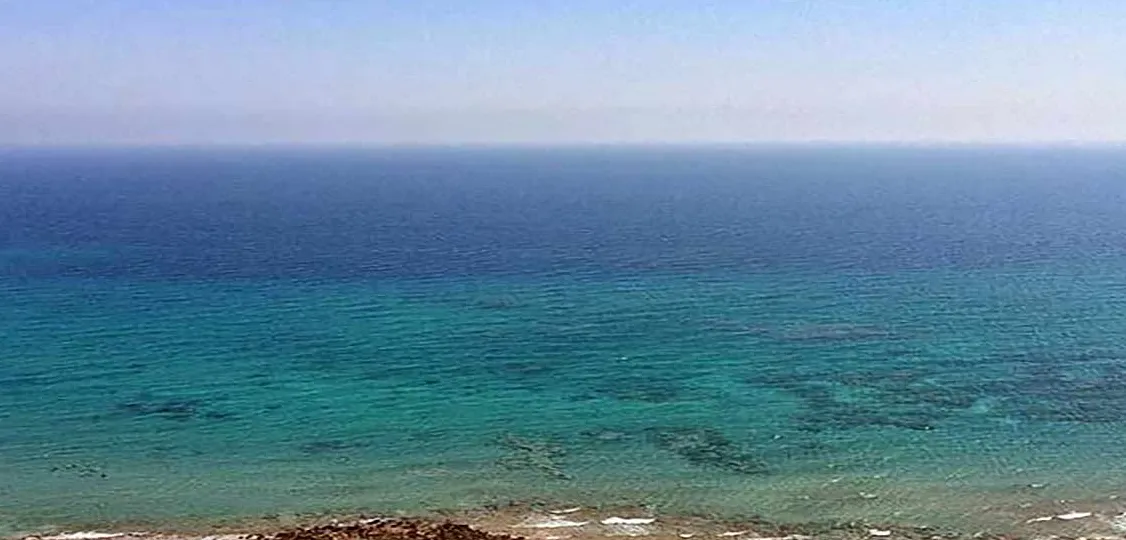
An imposing limestone mountain massif rising majestically beside the Red Sea, a testament to rich geology and the visionary New Galala project.

✓ What guidebooks don't tell you
✓ Secrets other tourists miss
✓ Listen while you explore
Discover everything
00:00
00:00
Rate this audio guide

📖 Audio Guide Chapters

6 chapters

1. Introduction and History

🔒 Premium Content

Subscribe to access all chapters of this audio guide.

2. Geology and Formation

🔒 Premium Content

Subscribe to access all chapters of this audio guide.

3. Infrastructure and Development

🔒 Premium Content

Subscribe to access all chapters of this audio guide.

4. Adapted Flora and Fauna

🔒 Premium Content

Subscribe to access all chapters of this audio guide.

5. Tourism and Activities

🔒 Premium Content

Subscribe to access all chapters of this audio guide.

6. Cultural Impact and Legacy

🔒 Premium Content

Subscribe to access all chapters of this audio guide.

❓ Frequently Asked Questions

What are the opening hours and how can I get to the Galala Mountains?

The Galala Mountains are open year-round, 24 hours a day, as they are a natural outdoor area without strict visiting hours. To get there, it is best to rent a car or join an organized tour from Cairo or Ain Sokhna; the main route follows the Red Sea Road (about 2–3 hours from the capital). Check the official Egyptian Ministry of Tourism website for updates: Egypt Travel.

How much is admission to the Galala Mountains and what does it include?

Admission is free, as this is a protected natural park with no mandatory access fees. However, if you choose a guided tour, prices are typically around 50–100 euros per person, including transport and a guide. For bookings, contact local operators such as Viator Tours.

How much time is needed to visit the Galala Mountains?

It is recommended to allow at least 4–6 hours for a basic visit, including light hiking and time to enjoy the views. If you plan to camp or explore longer routes, consider spending a full day. Bring water and comfortable shoes to make the most of your experience.

What is the history or cultural significance of the Galala Mountains?

The Galala Mountains, on the Sinai Peninsula, are known for their unique geology and their role in biblical history, associated with Moses' Exodus and ancient trade routes. Culturally, they represent the diversity of the Egyptian desert and are a biodiversity site with prehistoric fossils. Their significance lies in connecting ancient history with unspoiled nature.

What is the best time to visit the Galala Mountains?

The best time is from October to April, when temperatures are milder (20–30°C), avoiding the extreme summer heat. Early morning is ideal to avoid the intense sun and enjoy the shade in the valleys. Check the forecast at AccuWeather before you go.

Are the Galala Mountains accessible for people with reduced mobility?

Access is limited for people with reduced mobility due to the rocky terrain and uneven trails, but there are viewpoints accessible by vehicle. Adapted tours or guided visits offering 4x4 options are recommended. Contact the Egyptian Ministry of Tourism at +20 2 2795 8000 for specific assistance.

What other attractions are near the Galala Mountains?

Nearby you will find Saint Catherine's Monastery (about 2 hours by car), a UNESCO World Heritage Site, and the beaches of Ain Sokhna for relaxation. You can also visit the Suez Canal in Suez, just 1 hour away. Explore more at TripAdvisor.

What are some practical tips for my visit to the Galala Mountains?

Bring sunscreen, a hat, and at least 3 liters of water per person, as there are no commercial facilities on site. Join a local guide for safe routes and consider camping with prior permission. Respect nature by not leaving litter, and check COVID restrictions on the official Egyptian health website.

¿Prefieres escuchar en español?

🇪🇸 Escucha la audioguía de Galala Mountains en español