No te vayas sin conocer la historia Suscribete
IAudioGuia iaudioguia
Audio Guides of Abu Simbel

Audio Guide of Sun Festival

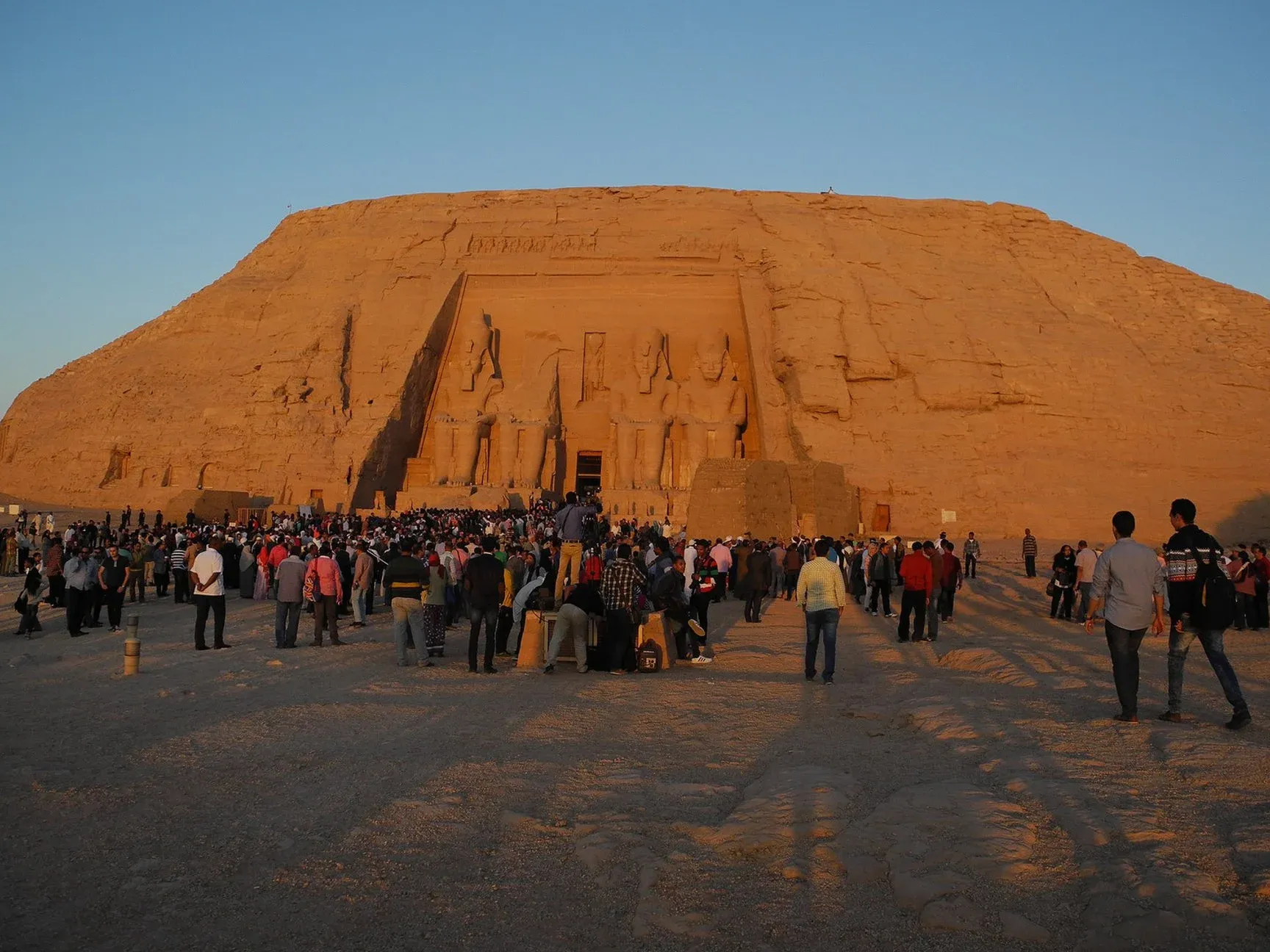
A cosmic phenomenon that lights up an ancient temple, celebrating pharaonic grandeur and the astronomical precision of ancient Egypt.

✓ What guidebooks don't tell you
✓ Secrets other tourists miss
✓ Listen while you explore
Discover everything
00:00
00:00
Rate this audio guide

📖 Audio Guide Chapters

6 chapters

1. Introduction and History

🔒 Premium Content

Subscribe to access all chapters of this audio guide.

2. Architecture and Design

🔒 Premium Content

Subscribe to access all chapters of this audio guide.

3. Art and Decoration

🔒 Premium Content

Subscribe to access all chapters of this audio guide.

4. Historical Figures

🔒 Premium Content

Subscribe to access all chapters of this audio guide.

5. Curiosities and Legends

🔒 Premium Content

Subscribe to access all chapters of this audio guide.

6. Cultural Importance and Legacy

🔒 Premium Content

Subscribe to access all chapters of this audio guide.

❓ Frequently Asked Questions

When exactly is the Sun Festival celebrated, and what time does the site open?

The solar phenomenon occurs only twice a year: **February 22 and October 22**. The complex usually opens around 3:00 AM on those days, since the sun illuminates the sanctuary at dawn (approx. 5:55 AM), and it is essential to arrive well in advance.

How much do tickets cost to see the solar spectacle?

The ticket price during the festival is usually higher than on a normal day, around **500 EGP (Egyptian Pounds)** for foreign visitors. Ticket booths are at the entrance, but I strongly recommend arriving with your ticket purchased in advance through your agency or guide.

How long does the illumination of the inner sanctuary last?

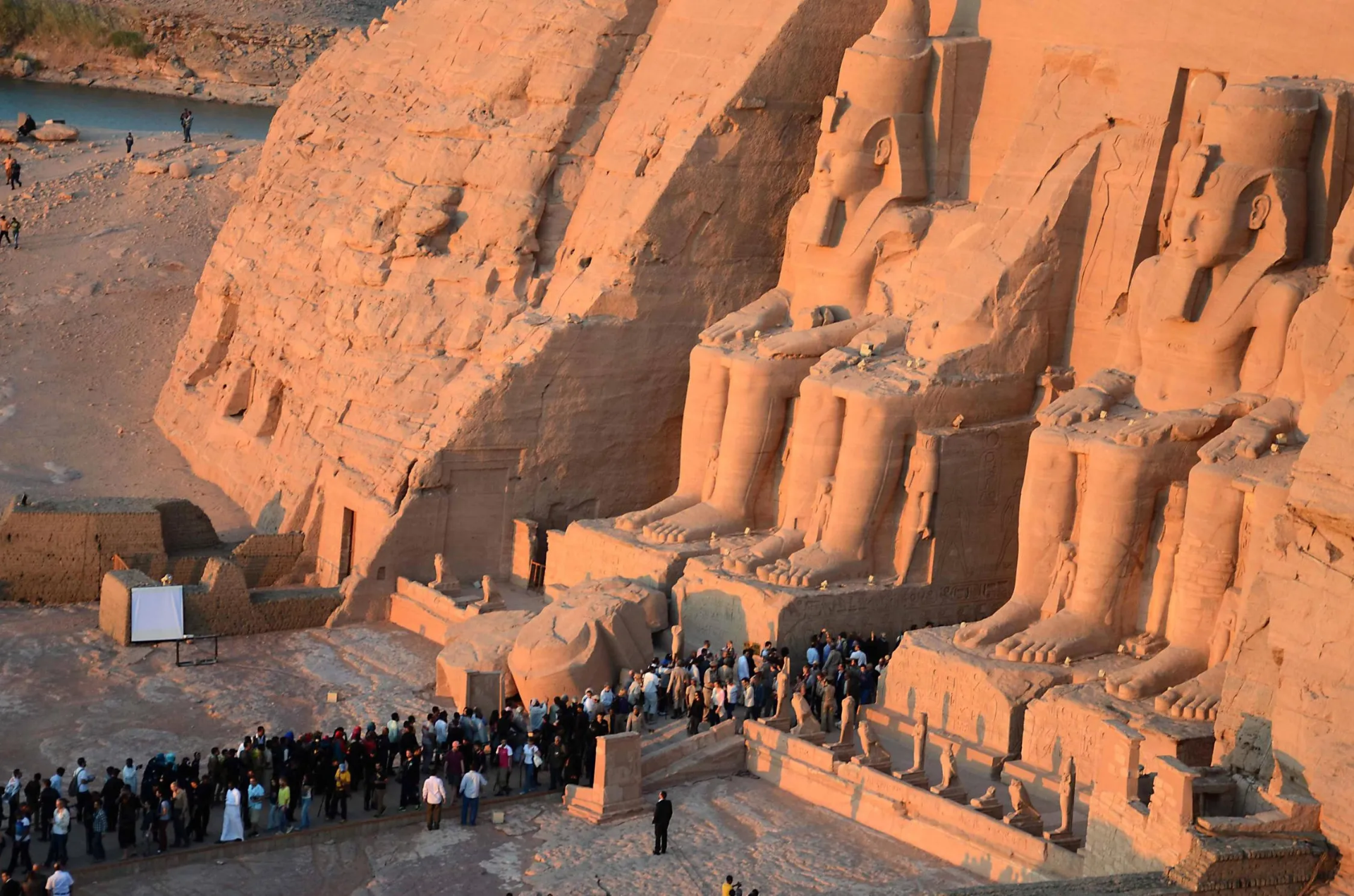
The phenomenon of sunlight illuminating the statues of Ramesses II, Ra-Horakhty, and Amun lasts approximately **20 to 25 minutes**. However, the full visit to the site and the Temple of Nefertari usually takes about 2 to 3 hours.

What is the history or secret behind this solar alignment?

It is a masterpiece of astronomical engineering: the ancient Egyptians oriented the temple so that the sun would illuminate the gods in the inner sanctuary, while always leaving **Ptah**, the god of the underworld, in darkness. This symbolizes the pharaoh's annual regeneration.

What is the best time of year to visit Abu Simbel if I want to avoid the crowds?

If you want to avoid the extreme crowds of the Sun Festival, visit the temple on any other day of the year at sunrise. Although you will not see the perfect alignment, you will enjoy the majesty of the temple with much more calm and space.

Is the Abu Simbel site accessible for people with reduced mobility?

Accessibility is limited due to the desert and gravel terrain. Electric carts are available to take you from the entrance to the temple esplanade, but accessing the interior can be difficult because of uneven surfaces.

What else is there to see around the main temple?

Right next to the Great Temple is the **Temple of Hathor and Nefertari**, dedicated to the favorite wife of Ramesses II. In addition, the views over the vast Lake Nasser are spectacular for panoramic photographs.

What key advice would you give me to make the most of the experience?

Wear layered clothing (it is cold before dawn and hot later) and be prepared for large crowds. To understand the scale of what you are seeing while waiting in line, I recommend downloading our audio guides for museums and monuments to enrich your visit.

¿Prefieres escuchar en español?

🇪🇸 Escucha la audioguía de Sun Festival en español