Un viaje sonoro a través de la majestuosidad y el misterio de la antigua civilización egipcia en su sitio arqueológico más icónico.
The Giza Pyramids site generally opens from 8:00 a.m. to 5:00 p.m. from October to March and from 7:00 a.m. to 6:00 p.m. from April to September. Visiting early in the morning is recommended. You can get there by taxi, Uber, or as part of an organized tour from Cairo. For more information, you can check the Egyptian Ministry of Tourism and Antiquities website: Egypt Travel.
The general admission ticket for the Giza area is approximately 200 EGP for foreign visitors (around 6–7 USD), which includes access to the plateau and exterior views. Entry inside the Great Pyramid of Khufu requires an additional fee of 400 EGP. You can check updated prices and online purchase options, if available, on ticket resale websites or directly at the ticket office. There is no official government link for direct online ticket purchases. You can consult travel blogs such as Travel Through Egypt to get an idea of prices.
I recommend setting aside at least 3 to 4 hours to explore the Giza Pyramids. This will allow you to walk across the plateau, get close to the pyramids, see the Sphinx, and visit the Solar Boat Museum (if it is open and interests you) at a relaxed pace. If you plan to enter one of the pyramids, add another hour.
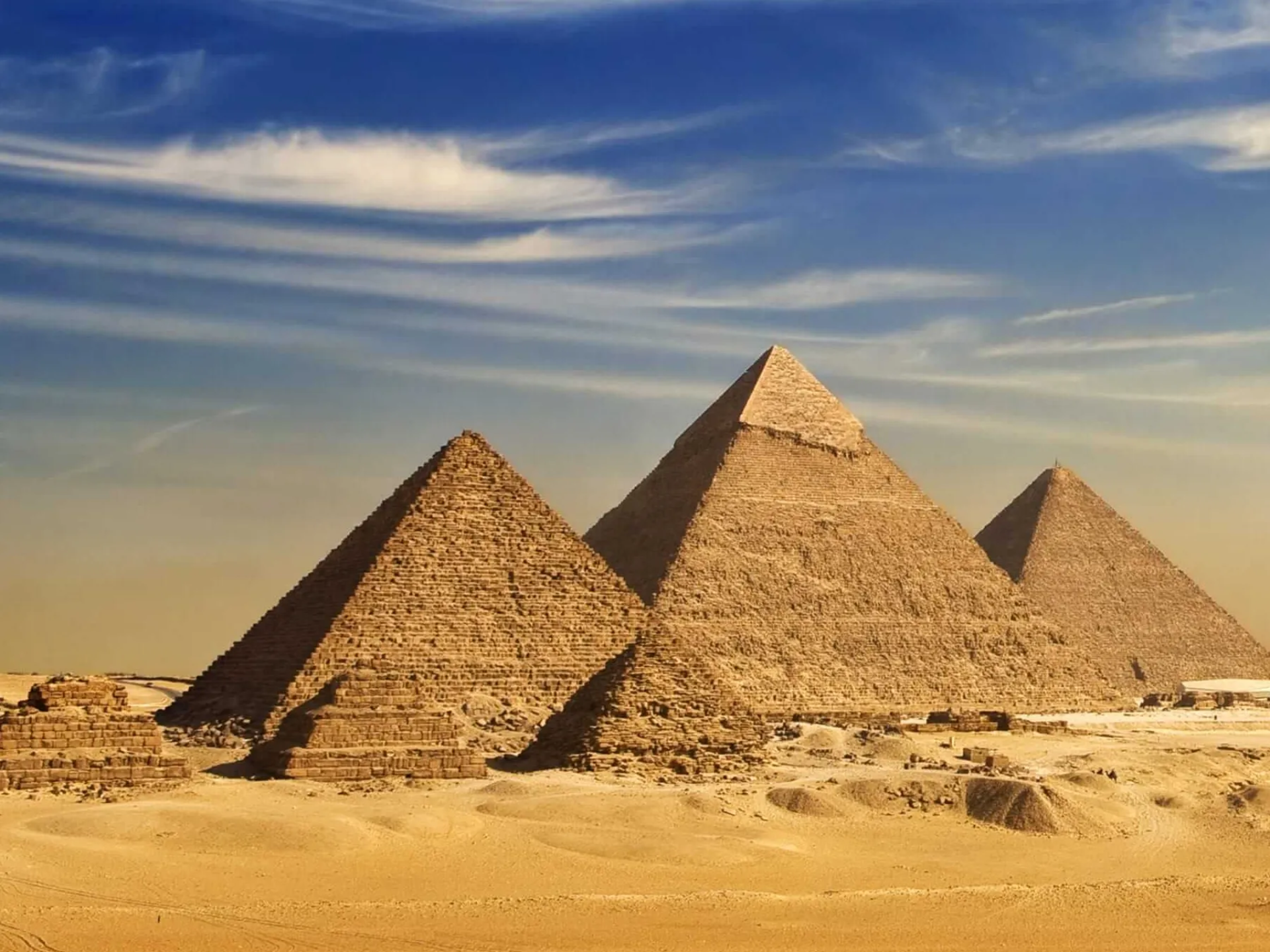
The Giza Pyramids are the most iconic monuments of Ancient Egypt, built more than 4,500 years ago as tombs for the pharaohs Khufu, Khafre, and Menkaure. They symbolize the power, religion, and advanced engineering skills of Egyptian civilization, with the Great Pyramid of Khufu being the only one of the Seven Wonders of the Ancient World still standing. They are a testament to the Egyptian belief in the afterlife.
The best time to visit the Giza Pyramids is early in the morning, just after opening, or late in the afternoon, before closing, to avoid the busiest hours and the strongest sun. As for the best season, the autumn months (October–November) and spring (March–April) offer more pleasant temperatures than the hot Egyptian summer.
The Giza Pyramids site presents challenges for visitors with reduced mobility because of its uneven terrain, sand, and the lack of ramps in many areas. However, some outdoor areas are accessible, and it is possible to reach certain points by vehicle with special permission. It is recommended to contact a specialized tour operator or the site in advance to arrange assistance. There is no specific phone number for this type of inquiry, but you can look for specialized guides in Cairo: Specialized guides in Cairo.
Very close to the pyramids, the Sphinx is a must-see. You can also explore the Solar Boat Museum, which houses an ancient funerary barge. If you have more time, you can visit the Saqqara Necropolis (about 20 km away), home to the Step Pyramid of Djoser, or the Egyptian Museum in Cairo (approximately 15 km away), which holds a vast collection of Egyptian antiquities. To plan your itinerary, IAudioguia can be a useful resource for audio guides at these locations.
For the best experience, bring sun protection (hat, sunglasses, sunscreen), comfortable shoes for walking on sand and uneven ground, and plenty of water. Stay alert around vendors and unofficial 'guides'; consider hiring a certified tour guide if you want a detailed explanation. Do not forget to negotiate prices if you decide to ride a horse or camel. I recommend planning your route with an audio guide so you do not miss anything important, like the ones we offer at IAudioguia!
¿Prefieres escuchar en español?
🇪🇸 Escucha la audioguía de The Giza Pyramids en español