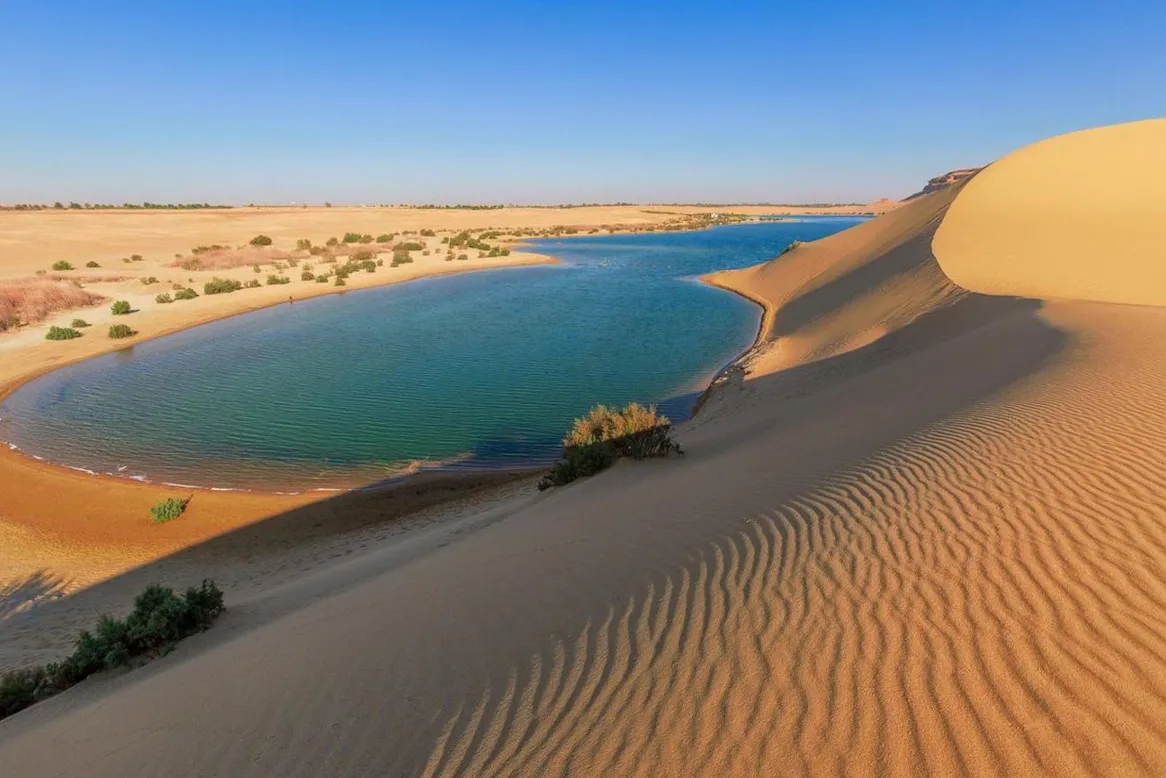
A protected area in the Egyptian desert, famous for its waterfalls, wetlands, and striking natural landscape.
The national park generally welcomes visitors from 7:00 a.m. to 5:00 p.m., making the most of daylight hours. The best way to get there is by private 4x4 vehicle or an organized tour from Cairo, as public transportation does not reach the reserve directly.
Yes, there is an entrance fee for the national park, usually ranging from 5 to 10 USD for foreign visitors, payable in Egyptian pounds. It is essential to bring cash, as credit cards are usually not accepted at the entrance gate.
To enjoy the lakes and the famous waterfalls without rushing, we recommend setting aside at least 3 hours. If you want to explore the dunes and desert surroundings in depth, consider planning for a full half-day.
This site is renowned for having Egypt’s only waterfalls and for its geological connection to the ancient Faiyum basin. Its formation is a fascinating testimony to how water management and nature can create unique ecosystems in the middle of the desert.
The months from October to April are ideal, as the weather is mild and pleasant for walking in the desert. Avoid the summer months, from June to August, due to the extremely high temperatures that can make the experience difficult.
The terrain is uneven, sandy, and rocky, which makes wheelchair access to the waterfall area difficult. However, panoramic views of the lakes can still be enjoyed from a vehicle at designated points.
A must-see nearby stop is Wadi Al-Hitan (Whale Valley), a UNESCO World Heritage Site with impressive fossils. It is also worth visiting the village of Tunis, famous for its pottery.
Bring comfortable footwear, sun protection, and plenty of water, as services inside the park are limited. To avoid missing any details about the history and surroundings, we suggest downloading an immersive audio guide from IAudioguia.com before your arrival.
¿Prefieres escuchar en español?
🇪🇸 Escucha la audioguía de Wadi El Rayan en español