Discover the history and secrets of this place with our audio guide.
The Nilometer is located within the Temple of Kom Ombo complex, which generally opens from 6:00 a.m. to 5:00 p.m. in winter and from 6:00 a.m. to 7:00 p.m. in summer. The temple can be reached by taxi, tour bus, or as part of a Nile cruise. There is no separate visiting schedule just for the Nilometer, as it is integrated into the site. It is recommended to check the exact hours on the official website before your visit.
Access to the Nilometer is included in the Temple of Kom Ombo admission ticket. The fee is usually around 160 EGP for adults, but it may vary. Students usually receive a discount by presenting a valid ID card. It is always a good idea to check updated prices at the ticket office or on the official website of Egypt’s Ministry of Tourism and Antiquities before planning your visit.
To properly explore the Temple of Kom Ombo and spend time at the Nilometer, it is recommended to allow between 1.5 and 2 hours. This will let you walk through the temple, observe its reliefs and carvings, and understand the function of the Nilometer without rushing. If you go with a guide, be prepared for a more structured and information-rich tour.
The Nilometer of Kom Ombo was crucial for the ancient Egyptians, as it allowed them to measure the level of the Nile River. This measurement was vital for predicting the annual floods, which in turn determined the extent and success of the harvests and served as a basis for calculating taxes. It is a fascinating testimony to ancient hydraulic engineering and economic administration. You can find more information about other nilometers in Egypt in this article: Nilometers in Egypt: Measuring the Nile.
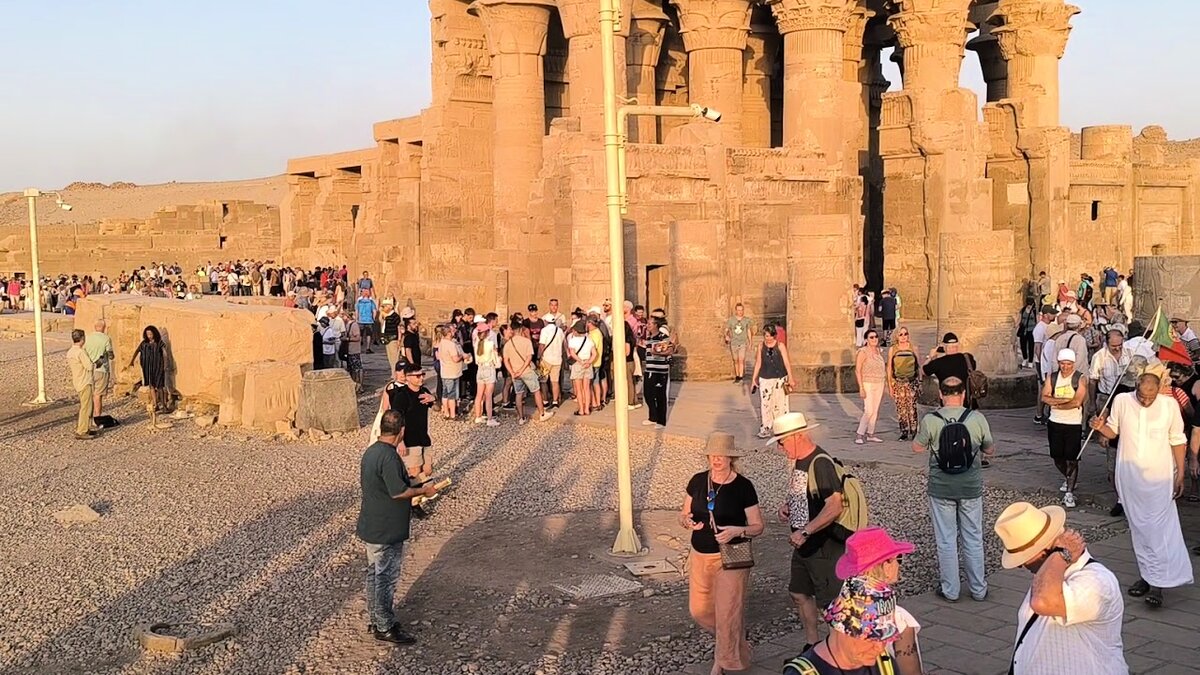
The best time to visit is early in the morning, right when it opens, or late in the afternoon before closing. This will help you avoid the busiest tourist hours and the strongest heat, especially between May and September. The ideal time of year is from October to April, when the weather is milder and more pleasant for outdoor visits.
Access to the Nilometer itself, being on a lower level and reached by steps, may be challenging for people with reduced mobility. The ground around the temple is uneven and sandy in some areas. If you have specific accessibility concerns, we recommend contacting a local tour operator or the site administration for detailed information and to see whether any assistance or alternative route can be offered.
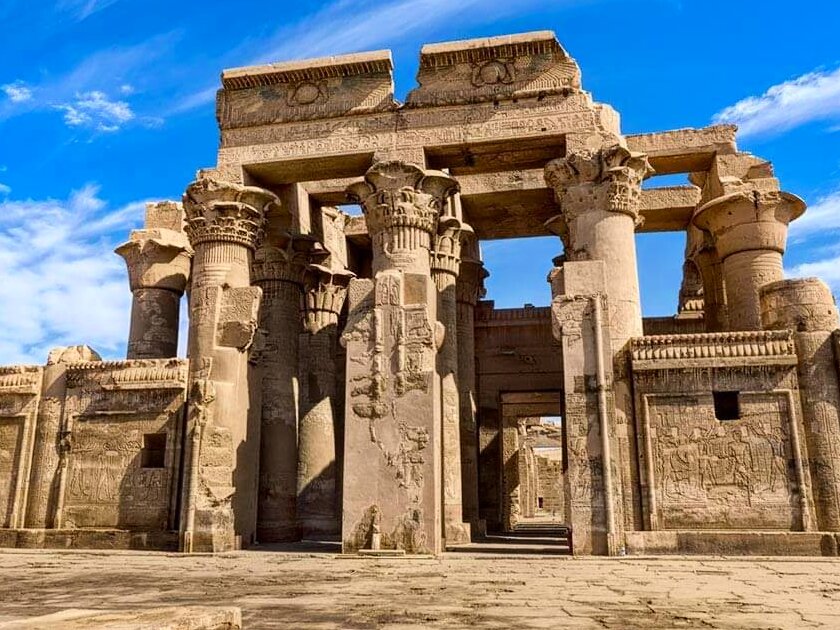
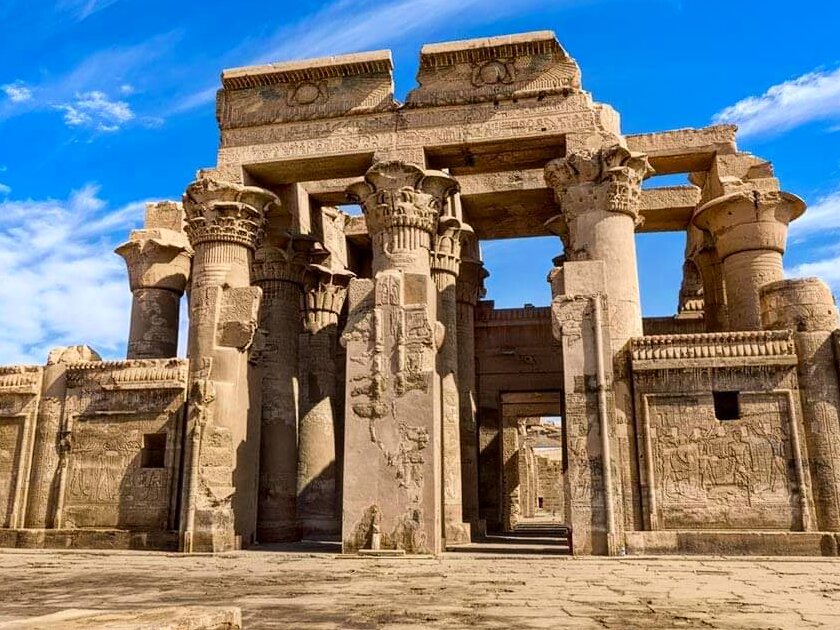
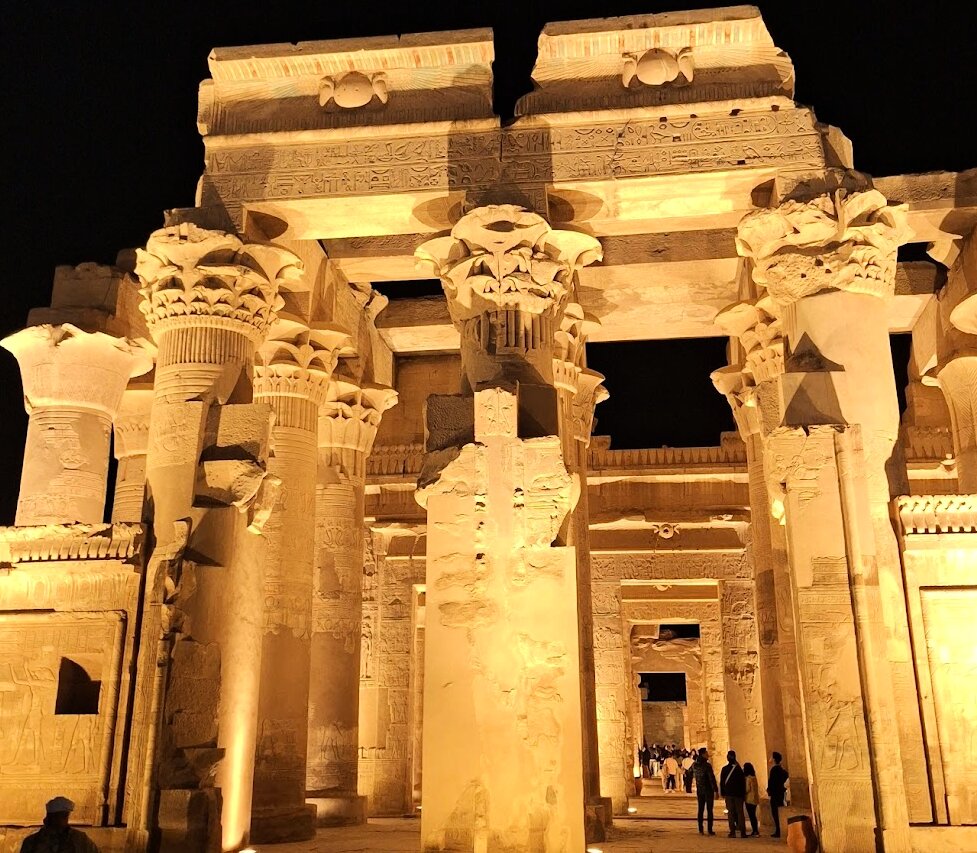
The Nilometer is located within the impressive Temple of Kom Ombo, which is the main attraction. This temple is unique for its dual design, dedicated to Sobek, the crocodile god, and Haroeris, Horus the Elder. A short drive away, you can visit the ancient quarry of Gebel el-Silsila or, if you travel south, the Temple of Edfu, dedicated to Horus. Most Nile cruises include stops at Kom Ombo and Edfu.
For the best experience, bring water, sunscreen, and a hat, especially if you visit during the middle of the day. Hiring a local guide can greatly enrich your understanding of the Nilometer and the temple. Also, wear comfortable shoes, as you will be walking on uneven surfaces and sand. Consider bringing a portable battery for your phone or camera, as charging opportunities are limited. And do not forget your camera to capture the beauty of the site at sunset or sunrise!
¿Prefieres escuchar en español?
🇪🇸 Escucha la audioguía de the Nilometer of the Temple of Kom Ombo en español