No te vayas sin conocer la historia Suscribete
IAudioGuia iaudioguia
Audio Guides of Abu Simbel

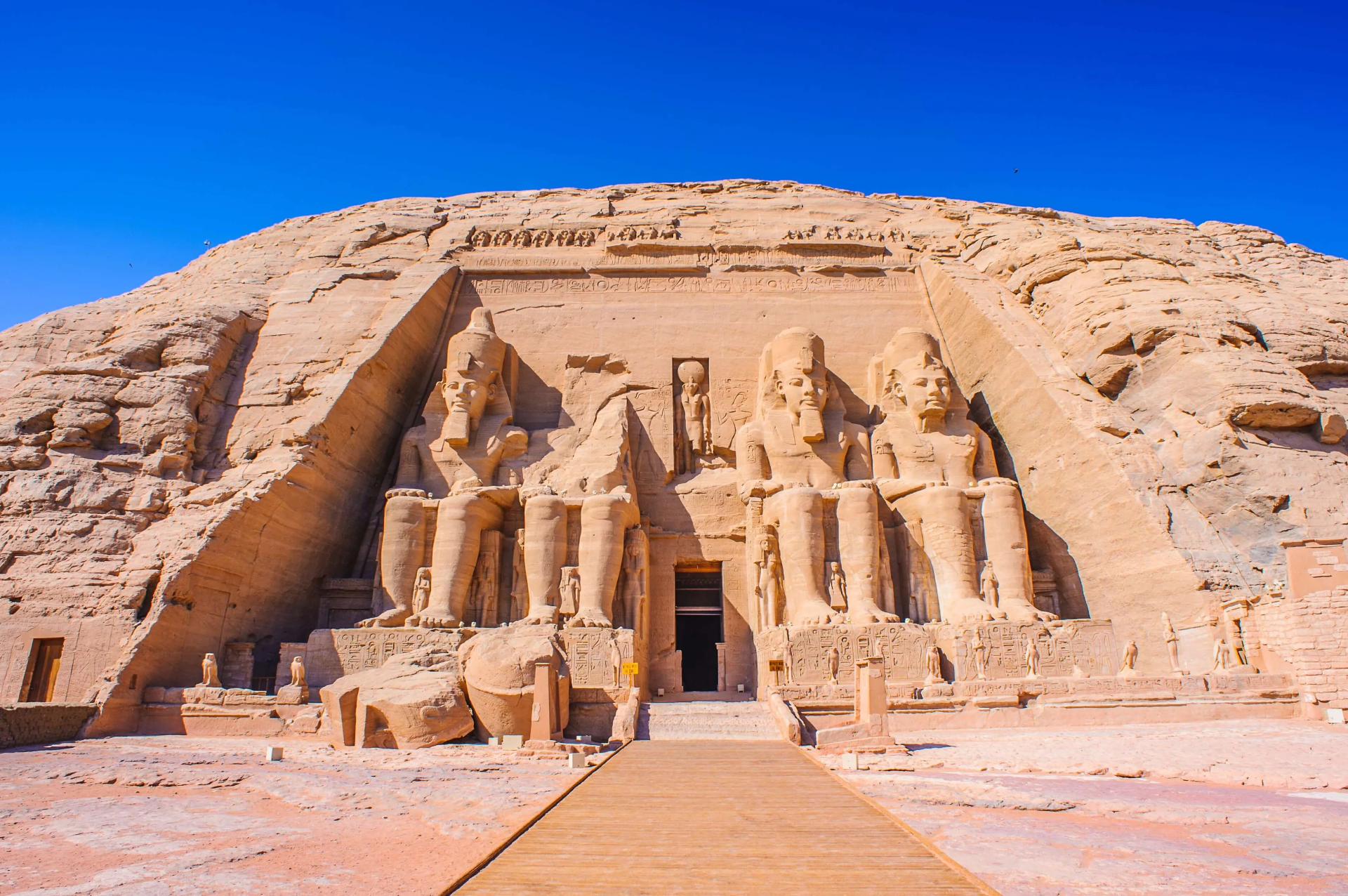
Audio Guide of the Great Temple of Ramesses II

Discover the majesty and secrets of one of the most impressive monuments of ancient Egypt: the Great Temple of Ramesses II at Abu Simbel.

✓ What guidebooks don't tell you
✓ Secrets other tourists miss
✓ Listen while you explore
Discover everything
00:00
00:00

📖 Audio Guide Chapters

5 chapters

1. Welcome to the Legacy of Ramesses II

🔒 Premium Content

Subscribe to access all chapters of this audio guide.

2. Monumental Architecture: An Embrace of Stone

🔒 Premium Content

Subscribe to access all chapters of this audio guide.

3. The Miracle of Abu Simbel: The Sun Kisses the Gods

🔒 Premium Content

Subscribe to access all chapters of this audio guide.

4. Beyond the Great Temple: The Beauty of Nefertari

🔒 Premium Content

Subscribe to access all chapters of this audio guide.

5. A Saved Legacy: The Odyssey of Relocation

🔒 Premium Content

Subscribe to access all chapters of this audio guide.

❓ Frequently Asked Questions

What are the opening hours and how can I access the Great Temple of Ramesses II at Abu Simbel?

Normally, the Abu Simbel complex is open from 6:00 AM to 5:00 PM, but it is crucial to always check the latest opening hours before your visit, as they may vary. To get there, the most common option is by bus from Aswan, often as part of an organized tour for safety and convenience. There are also charter flights to the nearby Abu Simbel Airport. For more details about the temple and its location, you can consult its Wikipedia page.

How much does admission cost, and are discounts available?

The entrance fee for foreign visitors is usually around 600-700 EGP (Egyptian pounds). For the most up-to-date pricing and discounts, such as for students with an international ID, it is essential to check a current travel guide or the official website of Egypt's Ministry of Tourism and Antiquities, as prices may change. Rates are usually posted at the ticket office, but there is no official website selling tickets directly for the temple.

How much time is recommended for visiting the Abu Simbel temples?

To fully explore both temples, those of Ramesses II and Nefertari, and enjoy their grandeur without rushing, it is recommended to spend at least 2 to 3 hours on site. Keep in mind that getting to Abu Simbel and returning takes up much of the day if you are traveling from Aswan, so the total excursion time is much longer.

What is the main historical or cultural significance of the Great Temple of Ramesses II?

The Great Temple of Ramesses II is a marvel of ancient engineering and a glorious monument to the power of this pharaoh. It was built to commemorate his victory in the Battle of Kadesh and to intimidate neighboring Nubian peoples, while also honoring the gods Amun, Ra-Horakhty, and Ptah. It is world-famous for its relocation in the 1960s to save it from flooding caused by the Aswan Dam, a milestone you can explore further on its Wikipedia page.

What is the best time of year to visit Abu Simbel and the best time of day?

The best time to visit Abu Simbel is during the winter months, from October to April, when temperatures are cooler and more pleasant. As for the best time of day, early morning is ideal to avoid the intense midday heat and crowds, and the sunrise light on the facades is spectacular. Also consider the famous sun miracle on specific dates, although it is very crowded.

Is the site accessible for people with reduced mobility or wheelchairs?

Access to the Abu Simbel complex involves a paved path from the parking area to the temple entrance, which is relatively flat. However, inside the temples there are ramps and uneven surfaces, and the entrance may be somewhat narrow. For a comfortable wheelchair experience, it is advisable to contact the tour operator or the site in advance to confirm available facilities and assistance.

What other attractions or places of interest can I visit around Abu Simbel?

Abu Simbel itself is a remote attraction, but the complex includes two temples: the Great Temple of Ramesses II and the Temple of Nefertari, also known as the Small Temple, dedicated to the goddess Hathor and the queen. They stand side by side, and admission usually includes access to both. Outside the complex, the main nearby attraction is Lake Nasser itself, created by the Aswan Dam. Most visitors combine Abu Simbel with a Nile cruise or a stay in Aswan, which offers many other points of interest.

What practical tips would you give to make the most of my visit to the Abu Simbel temples?

First, bring plenty of water, sun protection such as a hat, sunglasses, and sunscreen, and light clothing, as even in winter the sun is intense. Second, consider joining an organized excursion for convenience and safety. Third, do not forget your camera, but respect the photography rules inside the temples, as there may be restrictions or additional fees. And finally, enjoy the scale and history surrounding you!

¿Prefieres escuchar en español?

🇪🇸 Escucha la audioguía de the Great Temple of Ramesses II en español