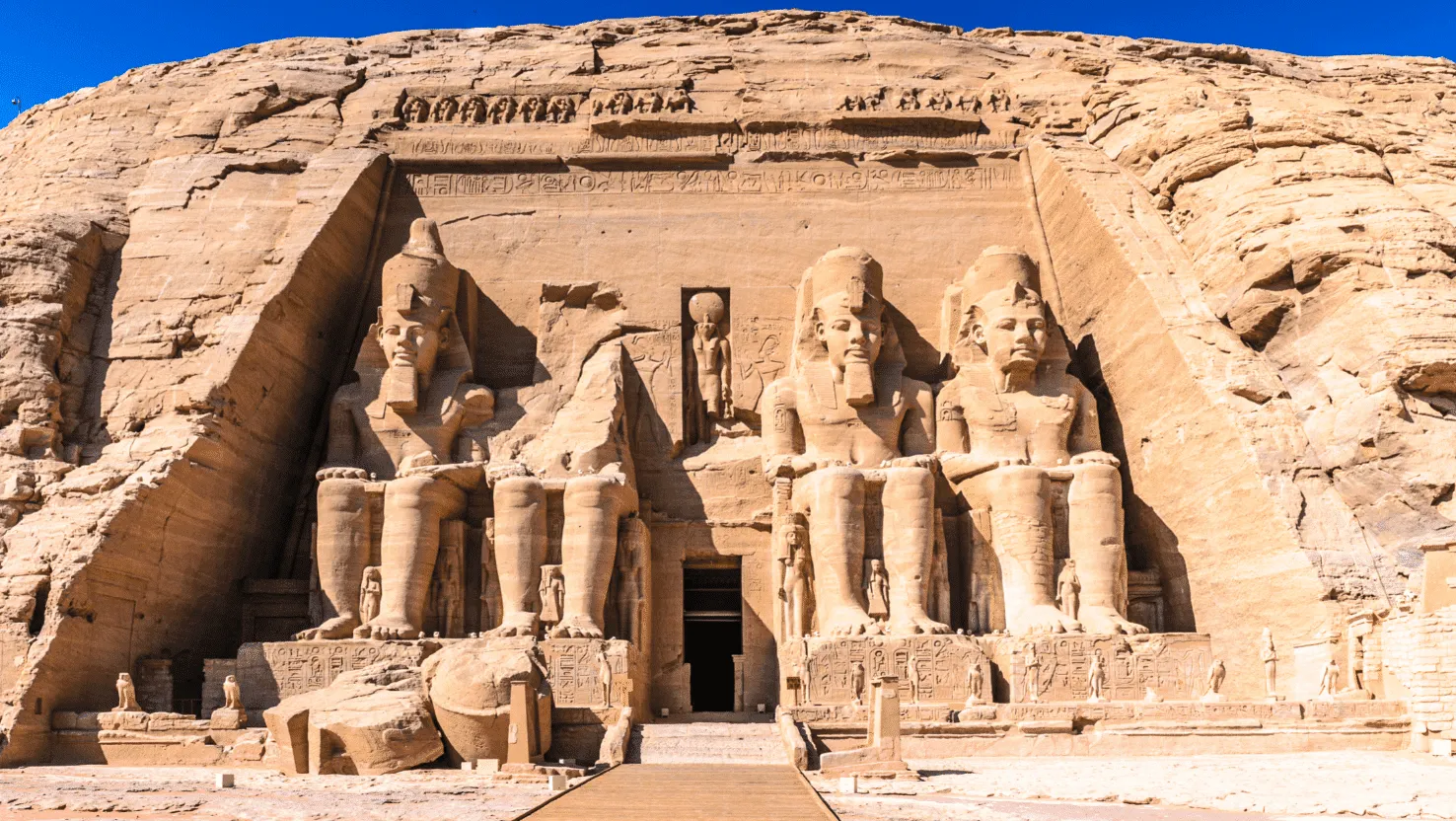
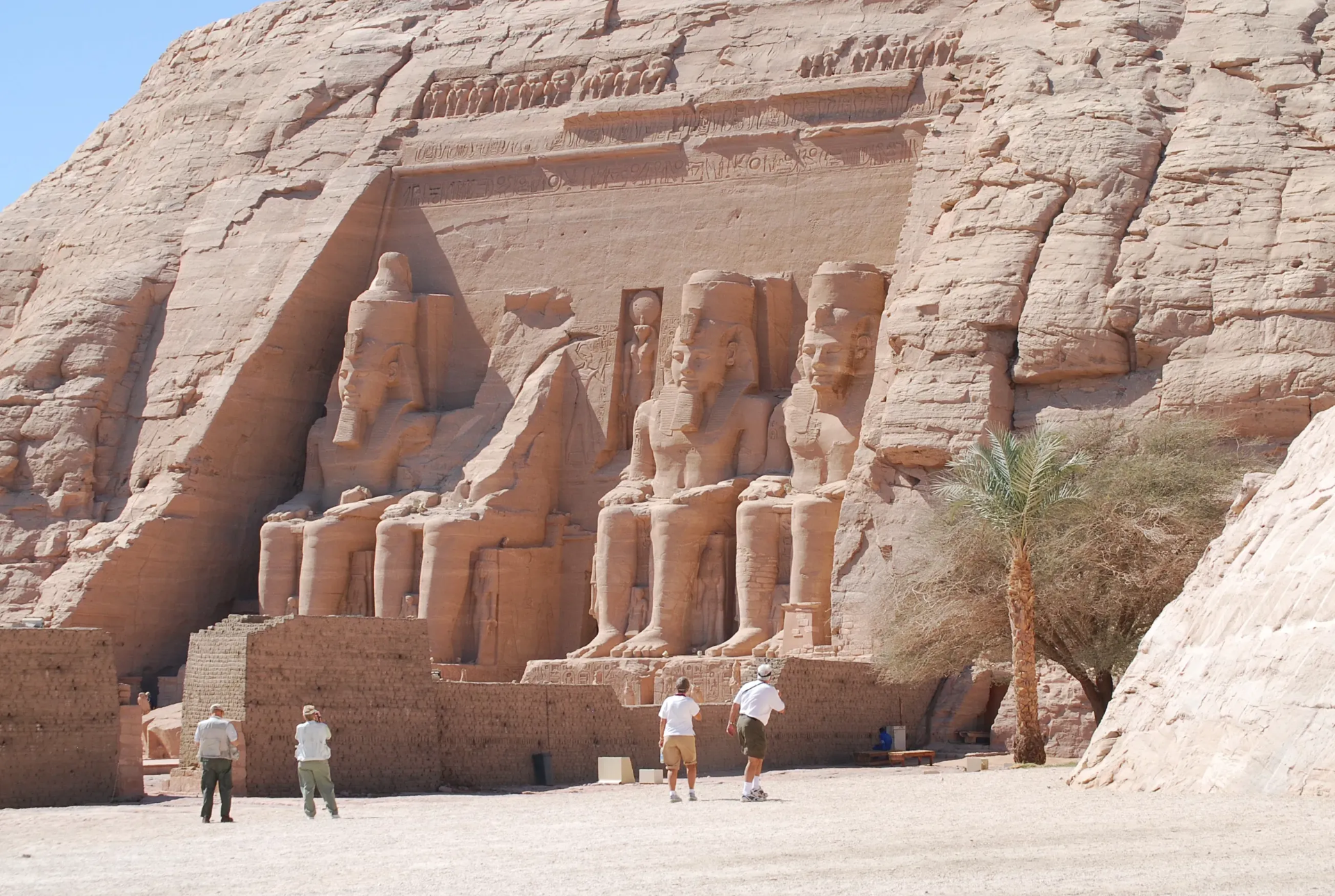
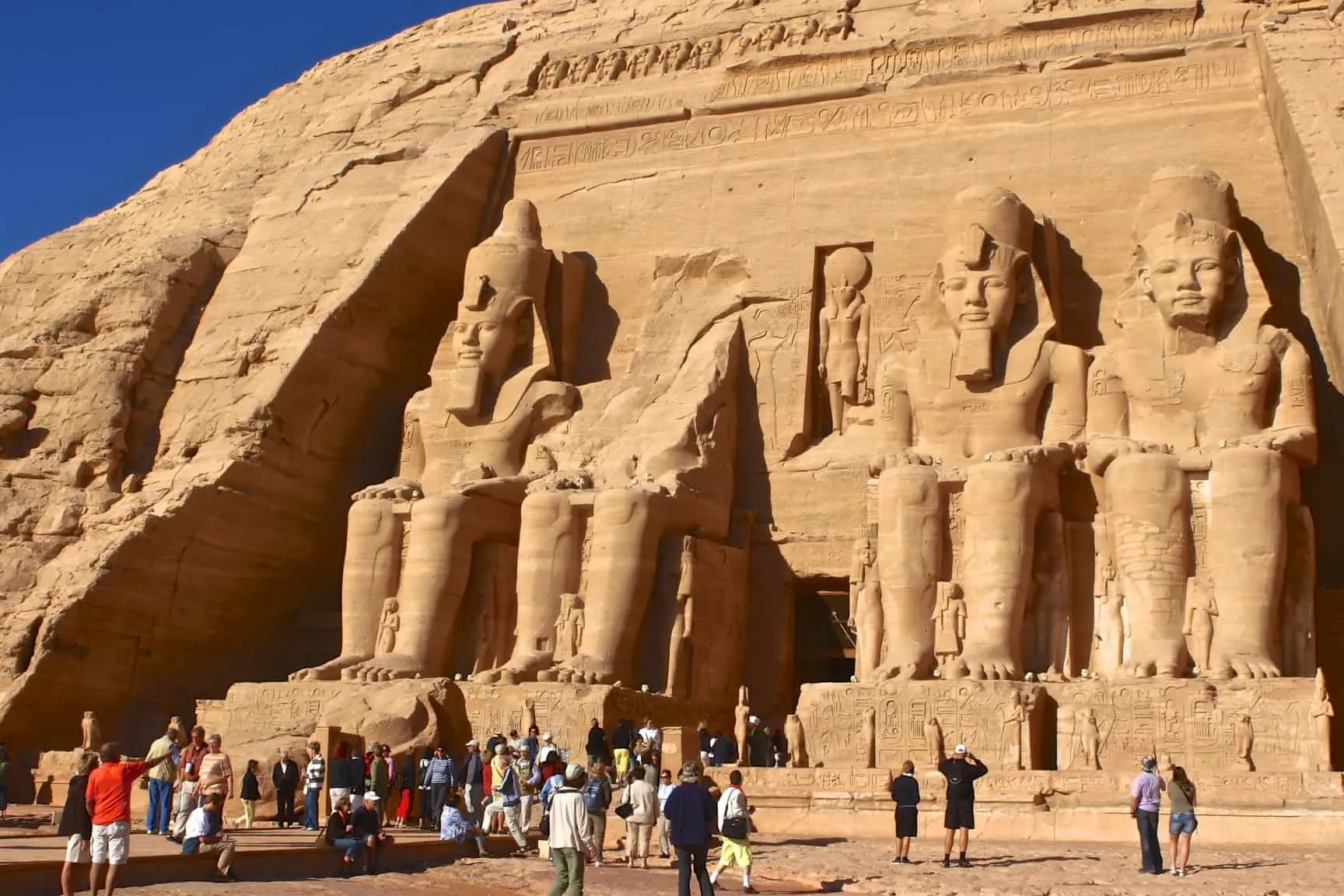
An audio journey through the imposing battle scenes that adorn the temples of Abu Simbel, revealing the power and strategy of ancient Egypt.
The Historical Battle Depictions at Abu Simbel are part of the Abu Simbel temple complex. The temples generally open daily from 6:00 a.m. to 5:00 p.m. (and until 6:00 p.m. in summer). You can reach Abu Simbel by tourist bus from Aswan (approximately a 3–4 hour journey) or by domestic flight, which gives you more flexibility. For updated information, you can check the Egyptian Ministry of Tourism website or ask your tour operator.
The visit to the Historical Battle Depictions is included in the general admission ticket to the Abu Simbel temple complex. The adult ticket price is usually around 300 EGP (Egyptian pounds). I recommend checking current prices on the official website or directly at the ticket office upon arrival, as they may vary. There are also organized tour options that include transportation and admission.
To explore the temples of Abu Simbel, including the impressive battle depictions, it is recommended to allow at least 2 to 3 hours. This will let you calmly admire the details of the reliefs, the colossal statues, and the surroundings. If you choose a tour from Aswan, the total excursion time will be considerably longer due to the journey.
These depictions, especially those of the Battle of Kadesh in the Great Temple of Ramses II, are of immense importance. They narrate in detail the pharaoh’s military feats and victories, serving as royal propaganda and a demonstration of his divine power. They are an artistic and documentary testimony to ancient Egyptian history and its impact on the region.
The best time to visit is during the winter months (from October to April), when temperatures are more pleasant. As for the time of day, I suggest going early in the morning to avoid the crowds and intense heat, or late in the afternoon to enjoy softer light and fewer people. You can also experience the magical night sound and light show, which requires a separate ticket. You can find more information about the show here: Sound & Light Show.
The temples of Abu Simbel are mostly accessible, with some ramps and paved paths. However, some areas inside the temples may have steps or uneven surfaces. It is recommended to contact your tour operator or the site administration in advance for detailed information about specific accessibility and whether you need special assistance. UNESCO, which protects this site, often provides accessibility information in its World Heritage descriptions: UNESCO Abu Simbel.
Abu Simbel itself is the main point of interest in the area, but nearby, within the same complex, you should not miss the Small Temple of Nefertari, dedicated to Ramses II’s chief wife. If you are on a multi-day Nile tour, other major attractions include Philae Temple, the Unfinished Obelisk, and the Aswan High Dam, which are generally visited as part of the same itinerary.
Of course! Bring plenty of water, sunscreen, a hat, and sunglasses, as the weather can be very hot. Wear comfortable clothing and respect local customs. Consider hiring a local guide to better understand the details of the reliefs and the history. And do not forget your camera to capture the magnificence of the site! I suggest downloading our audio guide at iaudioguia.com for a more immersive experience during your visit.
¿Prefieres escuchar en español?
🇪🇸 Escucha la audioguía de Historical Battle Depictions at Abu Simbel en español